“`html
Iran’s Currency Hits Historic Low Amid Escalating Geopolitical Tensions
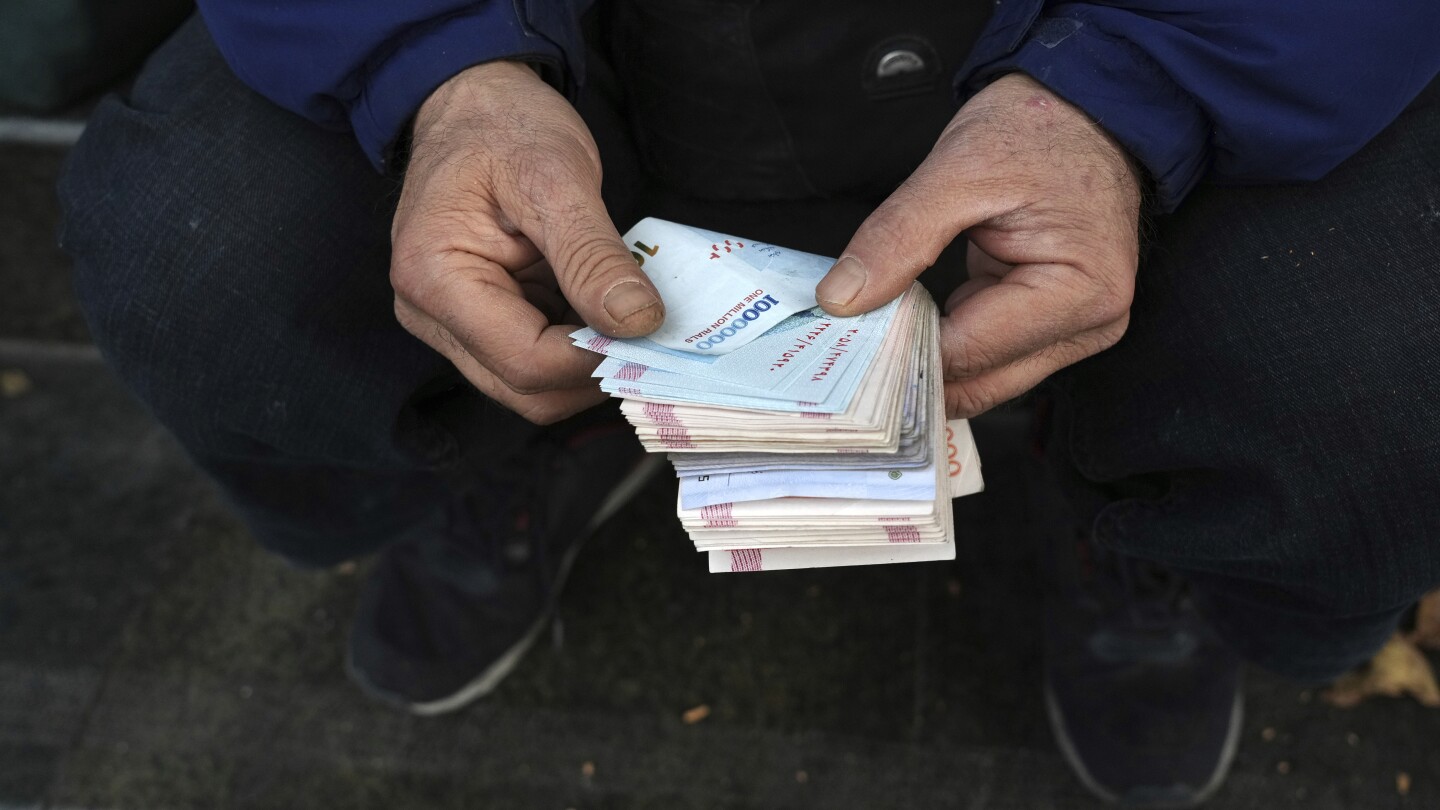
Iran’s rial has plunged to an all-time low against the U.S. dollar, trading at over 600,000 IRR per USD in unofficial markets this week, as mounting geopolitical pressures and domestic economic instability cripple the nation’s financial system. The currency’s 50% devaluation since 2022 reflects the compounding effects of international sanctions, reduced oil exports, and dwindling public confidence. Analysts warn this crisis could trigger severe inflation and social unrest.
The Perfect Storm: Sanctions and Structural Weaknesses
The rial’s collapse stems from multiple converging factors. U.S. sanctions imposed since 2018 have blocked Iran’s access to global financial systems and slashed its oil revenues by 80%, according to International Energy Agency data. Meanwhile, domestic production struggles under:
- Chronic mismanagement of state-owned enterprises
- A banking sector burdened by $30 billion in non-performing loans
- Inflation exceeding 40% annually since 2020
“This isn’t just about sanctions—it’s about decades of structural deficiencies,” explains Dr. Farzin Nadimi, senior fellow at the Washington Institute. “The government’s reliance on petrodollars created a brittle economy that couldn’t withstand external shocks.”
Regional Tensions Accelerate Economic Decline
Recent escalations in Middle East conflicts have exacerbated the crisis. Following suspected Israeli strikes on Iranian nuclear facilities and Tehran’s drone attacks on shipping lanes, investors have rushed to dump rials for stable currencies. The Central Bank of Iran’s foreign reserves have dwindled to $25 billion—just six months of import coverage.
“Every geopolitical flare-up triggers a currency panic,” says Dubai-based economist Sara Bazoobandi. “When regional tensions spiked in April, we saw the rial lose 15% in two weeks. Ordinary Iranians now prefer holding gold or cryptocurrencies.”
Impact on Iranian Citizens and Businesses
The currency crash has devastated living standards. Food prices have tripled since 2020, with beef now costing 1.2 million rials per kilogram—nearly half the monthly minimum wage. Manufacturers importing raw materials face existential threats.
Daily Struggle for Survival
In Tehran’s Grand Bazaar, merchant Ali Rezaei describes the human toll: “Yesterday’s earnings buy half as much today. My children ask why we can’t afford fruit anymore.” Over 60% of Iranians now live below the poverty line, World Bank estimates suggest.
The government’s response—rationing subsidized currency for essential imports—has spawned a thriving black market where dollars trade at 30% premiums. This disparity enriches regime-connected elites while punishing ordinary citizens.
International Reactions and Policy Dilemmas
Western governments face difficult choices. While maintaining pressure on Iran’s nuclear program, some European diplomats privately acknowledge that collapsing living standards could backfire by empowering hardliners.
Diverging Global Approaches
The Biden administration maintains maximum pressure, rejecting calls to unfreeze $7 billion in South Korean-held oil revenues. Meanwhile, China has increased yuan-denominated oil purchases, providing Tehran a limited financial lifeline.
“Sanctions are a blunt instrument,” argues former IMF economist Hassan Hakimian. “They’ve failed to change behavior but succeeded in impoverishing civilians. We need targeted measures that distinguish between the regime and its victims.”
Future Outlook: Reform or Further Decline?
Most analysts predict continued deterioration without structural reforms. The IMF projects Iran’s GDP growth will stagnate below 2% through 2025—insufficient for its young, growing population. Potential scenarios include:
- Currency redenomination: Removing zeros could temporarily ease transactions but won’t address root causes
- Hyperinflation: Monthly inflation rates may soon hit Zimbabwean levels if trends continue
- Social upheaval: Renewed protests like 2022’s mass demonstrations appear increasingly likely
As tensions with Israel and the West show no signs of abating, Iran’s economic crisis threatens to become irreversible. The international community must weigh humanitarian concerns against nonproliferation goals while ordinary Iranians pay the price.
For those seeking to help affected civilians, consider donating to verified humanitarian organizations like the International Committee of the Red Cross working inside Iran.
“`
See more CCTV News Daily