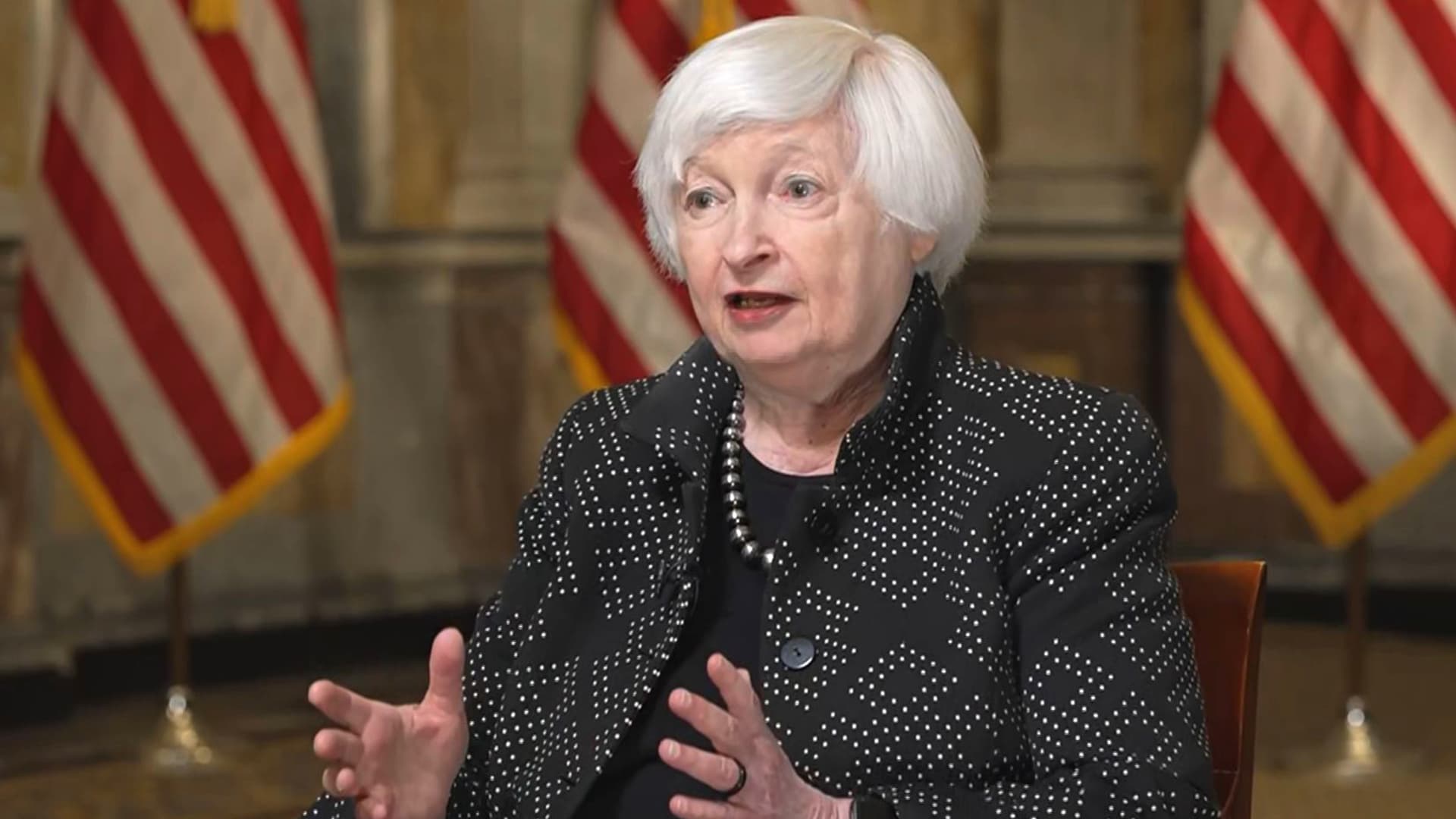
Janet Yellen’s Take: Did Covid Stimulus Fuel Inflation More Than We Thought?
In a striking acknowledgment, U.S. Treasury Secretary Janet Yellen has recently weighed in on the ongoing debate surrounding the economic ramifications of the Covid-19 stimulus measures. As inflation rates surge to levels not witnessed in decades, Yellen’s candid remarks raise essential questions about the long-term impacts of the substantial financial aid provided during the pandemic. This article delves into her insights, the implications for future economic policy, and the broader context of the pandemic’s financial fallout.
Understanding the Covid Stimulus Measures
To grasp the significance of Yellen’s comments, it’s crucial to first understand the magnitude of the Covid stimulus packages implemented by the U.S. government. In response to the economic upheaval caused by the pandemic, Congress approved several rounds of stimulus, totaling over $5 trillion. These measures included:
- Direct payments: Individuals received checks of up to $1,400, aimed at boosting consumer spending.
- Enhanced unemployment benefits: Additional weekly payments were provided to those out of work.
- Business support: The Paycheck Protection Program (PPP) offered loans to small businesses to maintain payroll and avoid layoffs.
- Child tax credits: Temporary expansions of the child tax credit aimed to provide financial relief to families.
These interventions were designed to stabilize an economy on the brink of collapse, but as inflation has soared, questions about their unintended consequences have emerged.
Yellen’s Perspective on Inflation
Janet Yellen’s recent statements suggest a shift in her earlier views regarding the inflationary effects of the stimulus. Initially, she characterized inflation as “transitory,” attributing it largely to supply chain disruptions and increased demand as the economy reopened. However, as inflation persisted, her stance evolved. Yellen now concedes that the flood of government stimulus may have exacerbated inflationary pressures more than previously anticipated.
This newfound recognition opens the door to several pressing inquiries:
- How much did the stimulus contribute to the soaring inflation rates?
- What lessons can policymakers learn for future economic crises?
- Will the government need to alter its approach to fiscal policy moving forward?
The Mechanics of Inflation
To understand how Covid stimulus measures may have fueled inflation, it’s essential to recognize the mechanics of inflation itself. Inflation occurs when the demand for goods and services exceeds their supply, leading to price increases. The unprecedented stimulus payments provided Americans with enhanced purchasing power, which in turn spurred demand.
Moreover, as businesses reopened, they faced difficulties ramping up production due to labor shortages and ongoing supply chain challenges. The combination of high demand and constrained supply created a perfect storm for inflation to take hold.
Examining the Current Inflation Landscape
As of late 2023, inflation rates in the U.S. remain alarmingly high. The Consumer Price Index (CPI) has shown year-over-year increases that have consistently outpaced the Federal Reserve’s target of 2%. Key factors contributing to these inflationary trends include:
- Energy prices: Volatile energy costs have significantly impacted overall inflation figures.
- Housing costs: A surge in home prices and rental costs has placed upward pressure on the CPI.
- Food prices: Supply chain disruptions and climate-related events have led to increased food costs.
While many of these factors are beyond the control of policymakers, the question remains: could the Covid stimulus measures have mitigated or exacerbated these trends?
The Long-Term Economic Implications
Yellen’s admission that stimulus measures might have fueled inflation raises concerns about the long-term impacts of such policies. Economists are divided on the best path forward, with some advocating for tighter fiscal policy to curb inflation, while others warn that withdrawing support too quickly could stifle economic recovery.
Some key considerations include:
- Balancing Recovery and Inflation: Policymakers must navigate the delicate balance between fostering economic growth and controlling inflation.
- Addressing Supply Chain Issues: Tackling the ongoing supply chain disruptions is critical to alleviating inflationary pressures in the long run.
- Future Stimulus Considerations: Future emergency financial aid may need to be more targeted and temporary to avoid similar inflationary pitfalls.
Learning from the Past: Recommendations for Future Policies
As we contemplate the lessons learned from the Covid stimulus experience, several recommendations for future policies become apparent:
- Targeted Aid: Future stimulus measures should focus on the most vulnerable populations while avoiding broad-based cash distributions that can lead to inflation.
- Monitoring Economic Indicators: Close scrutiny of economic indicators, such as inflation rates and supply chain metrics, should inform policy decisions.
- Strengthening Supply Chains: Investing in domestic supply chain resilience can help mitigate the effects of future disruptions.
Conclusion: Moving Forward with Caution
Janet Yellen’s recent remarks serve as a vital reminder of the complexities involved in managing an economy during unprecedented times. While the Covid stimulus measures were necessary for immediate relief, their longer-term implications on inflation warrant careful consideration.
As the U.S. navigates this challenging economic landscape, policymakers must adopt a balanced approach that prioritizes both recovery and stability. Understanding the intricate relationship between fiscal policy and inflation will be essential in crafting a resilient economic future.
In summary, while the Covid stimulus undoubtedly played a critical role in supporting the economy during a time of crisis, its potential contribution to inflation is a lesson that must not be overlooked. The path ahead requires vigilance, adaptability, and a commitment to learning from the past.
See more CCTV News Daily