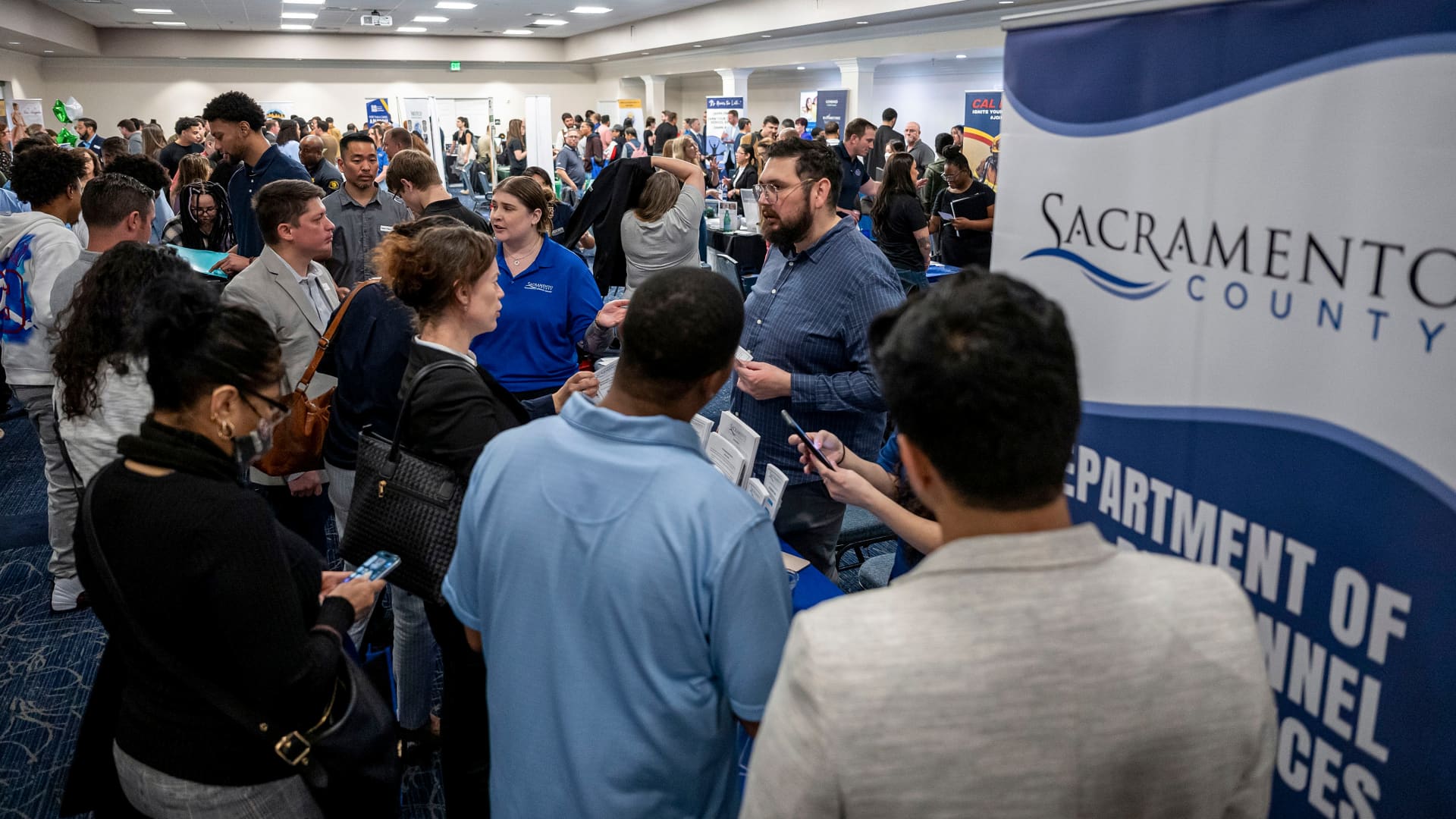
January Job Openings Surge: A Beacon of Labor Market Resilience
The latest employment data for January has unveiled a remarkable surge in job openings, presenting a compelling narrative of resilience within the labor market. As businesses navigate through economic uncertainties, this increase not only indicates heightened confidence among employers but also reveals evolving hiring trends that could significantly influence the workforce landscape in the coming months.
Understanding the Job Openings Surge
January’s job openings have soared to levels that many analysts had not anticipated. According to reports from the Bureau of Labor Statistics (BLS), the number of job openings across various sectors increased by over 400,000 compared to December. This surge signals a strong start to the year, with employers actively looking to fill positions despite ongoing economic challenges.
Several factors contribute to this spike in job openings:
- Economic Recovery: As the economy gradually recovers from the impacts of the pandemic, businesses are beginning to expand and invest in new talent.
- Increased Consumer Demand: With consumers returning to pre-pandemic spending patterns, businesses are ramping up their operations to meet demand, necessitating more staff.
- Workforce Adaptation: Companies are adapting to new ways of working, including remote and hybrid models, which has led to a broader range of job openings.
The Implications of Rising Job Openings
The surge in job openings has various implications for the labor market and the economy as a whole. Here’s how this trend could shape the future:
- Enhanced Job Security: More job openings mean greater opportunities for job seekers, which can lead to improved job security and a sense of stability in the workforce.
- Wage Growth: As competition for talent intensifies, employers may be more inclined to offer higher wages and improved benefits to attract the right candidates.
- Shift in Skills Demand: The nature of job openings is evolving, with a strong emphasis on technological skills and adaptability. Sectors such as information technology, healthcare, and renewable energy are witnessing a significant increase in demand for specialized skills.
Sector-Specific Insights on Job Openings
While the overall increase in job openings is encouraging, it’s essential to examine how different sectors are contributing to this growth. Some key areas include:
Technology Sector
The technology industry continues to lead in job openings, driven by the ongoing digital transformation. Companies are seeking professionals skilled in artificial intelligence, cybersecurity, and software development. The demand for remote tech positions has also surged, allowing employers to tap into a broader talent pool.
Healthcare Sector
As the pandemic highlighted the critical need for healthcare professionals, the healthcare sector has experienced unprecedented job openings. Roles in nursing, telehealth, and mental health services are in high demand, reflecting a shift towards more comprehensive care solutions.
Retail and Hospitality
With the resurgence of consumer activity, the retail and hospitality sectors are also seeing a spike in job openings. Restaurants, hotels, and retail stores are actively hiring to meet the increasing demand, focusing on roles that enhance customer experience.
Challenges Amidst Opportunities
Despite the positive outlook presented by the January job openings surge, challenges remain. Employers face obstacles such as:
- Skills Gap: Many companies are struggling to find candidates with the necessary skills, particularly in technical fields. This skills gap can hinder growth and innovation.
- Inflationary Pressures: Rising costs and inflation can impact businesses’ ability to maintain competitive wages and benefits, which are crucial for attracting talent.
- Remote Work Dynamics: The shift to remote work has also complicated hiring processes, as companies must adapt to new methods of recruitment and integration.
Looking Ahead: Trends to Watch
As we progress through 2023, several key trends are likely to shape the labor market:
- Continued Remote Work: The preference for remote and hybrid work arrangements is likely to persist, influencing how companies structure their teams and recruit talent.
- Focus on Employee Well-being: Employers are increasingly recognizing the importance of mental health and work-life balance, leading to enhanced benefits and support systems.
- Investment in Training: To bridge the skills gap, businesses may focus more on training and development programs, fostering a culture of continuous learning.
Conclusion: A Positive Outlook for the Labor Market
The surge in job openings for January serves as a beacon of hope amid economic uncertainties. It reflects a growing confidence among employers and a willingness to invest in human capital. As businesses adapt to changing market conditions and workforce dynamics, the labor market appears poised for resilience and growth.
For job seekers, this trend presents a wealth of opportunities across various sectors. However, it will be essential for them to stay informed about evolving skills demands and to be adaptable in their career paths. Employers, on the other hand, will need to navigate challenges while fostering an inclusive and supportive work environment to attract and retain top talent.
In summary, the January job openings surge not only highlights the current state of the labor market but also sets the stage for a transformative year ahead, characterized by innovation, adaptability, and an unwavering commitment to growth.
See more CCTV News Daily