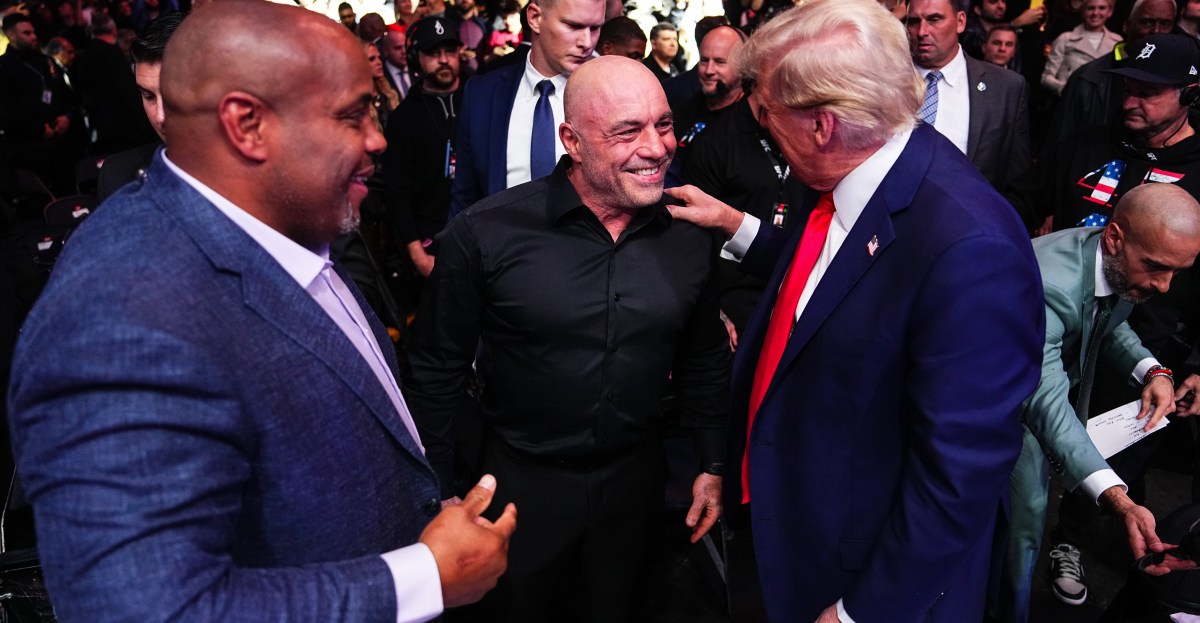
Unpacking the Impact: Joe Rogan, Trump’s Tariffs, and America’s Response
In the wake of former President Donald Trump’s sweeping tariffs on Chinese goods, public discourse has been amplified by influential voices like Joe Rogan, whose podcast dissects their socioeconomic fallout. As tariffs reshape industries and consumer prices, Rogan’s platform has become a battleground for debating their merits and consequences. This article examines how Rogan’s commentary intersects with America’s polarized response to protectionist trade policies.
The Ripple Effects of Trump’s Tariffs on the U.S. Economy
Implemented between 2018 and 2019, Trump’s tariffs targeted over $360 billion worth of Chinese imports, aiming to revive domestic manufacturing. While some sectors, like steel, saw temporary boosts, the Tax Foundation estimates tariffs cost U.S. households $1,200 annually by 2020. A 2023 Peterson Institute for International Economics report found retaliatory tariffs slashed agricultural exports by $27 billion, hitting farmers disproportionately.
“Tariffs were a blunt instrument that protected niche industries but strained the broader economy,” says Dr. Linda Chen, a trade policy analyst at Brookings. “The ripple effects—higher production costs, retaliatory measures—outweighed the benefits for most Americans.”
Joe Rogan’s Platform: Amplifying the Tariff Debate
With 14.5 million monthly listeners, Rogan’s podcast has hosted economists, politicians, and industry leaders debating tariffs’ efficacy. In a 2022 episode, libertarian commentator Dave Smith argued tariffs “distort markets,” while GOP strategist Jack Kingston defended them as “necessary for national security.” Rogan’s laissez-faire approach often leans skeptical, yet his audience’s diversity mirrors America’s split views.
Public sentiment reflects this divide: a 2023 Pew Research poll showed 52% of Republicans support tariffs versus 31% of Democrats. Rogan’s discussions amplify these partisan fault lines, with episodes on reshoring jobs or inflation sparking viral clips and backlash.
Local Stories, National Consequences
In Ohio, a steel plant reopening was touted as a tariff success, but auto manufacturers faced $10 billion in higher material costs. Meanwhile, Midwest soybean farmers, like Jim Lawson of Iowa, describe tariffs as a “double-edged sword.” “We lost China as a buyer overnight,” Lawson says. “Even with subsidies, it’s been a decade of recovery.”
- Winners: Steel, aluminum, and some tech sectors gained short-term protections.
- Losers: Agriculture, retail, and automotive industries faced higher costs and lost markets.
What’s Next for Trade Policy and Public Discourse?
As Biden reviews Trump-era tariffs, economists urge targeted reforms, like exempting critical goods. Meanwhile, Rogan’s influence ensures trade policy remains a cultural flashpoint. “Podcasts democratize economic debates but often oversimplify complex issues,” notes media scholar Rachel Holt. “The challenge is balancing accessibility with nuance.”
For Americans navigating tariff impacts, staying informed through diverse sources—beyond partisan rhetoric—is crucial. Explore nonpartisan analyses from the Congressional Research Service to understand how these policies affect your community.
See more CCTV News Daily