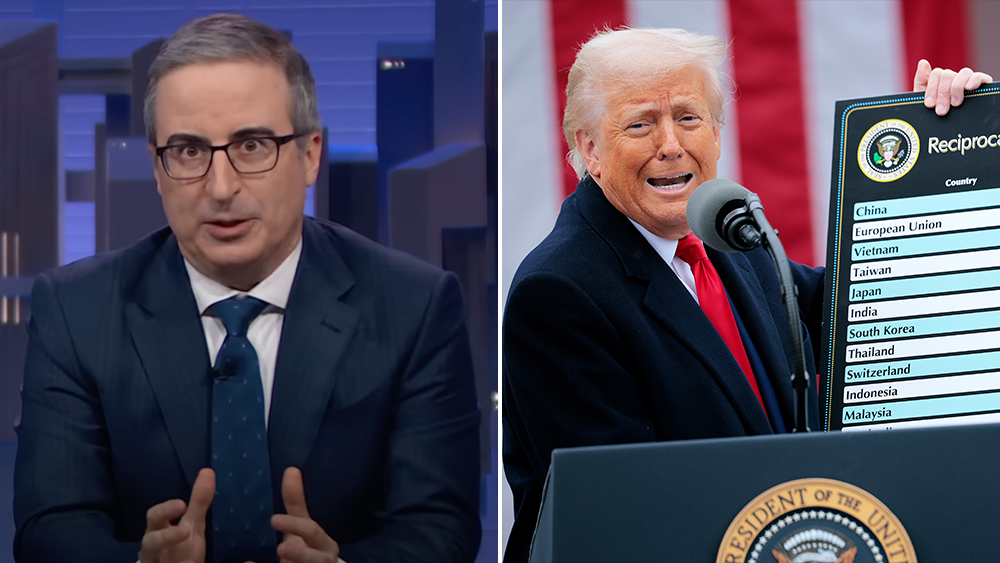
John Oliver Analyzes Trump’s Tariff Blunders: Are We Safe or Just Delayed?
In a scathing segment on Last Week Tonight, host John Oliver dissected former President Donald Trump’s tariff policies, arguing that while immediate economic catastrophe may have been avoided, the long-term consequences remain perilous. Airing on June 9, 2024, the episode combined Oliver’s trademark humor with rigorous analysis, questioning whether Trump’s trade wars merely postponed disaster rather than solving underlying issues.
The High Cost of Trade Wars
Oliver highlighted how Trump’s tariffs—particularly those on Chinese goods—initially aimed to protect American industries but often backfired. According to data from the Tax Foundation, the U.S. imposed tariffs on over $350 billion worth of Chinese imports between 2018 and 2020, triggering retaliatory measures that hurt American farmers and manufacturers.
- Consumer Impact: A 2019 study by the National Bureau of Economic Research found that U.S. households paid an additional $1.4 billion monthly due to higher prices on imported goods.
- Agricultural Fallout: The USDA reported a 50% drop in soybean exports to China in 2018, costing farmers billions.
“Tariffs are like shooting yourself in the foot and calling it a strategy,” Oliver quipped. “Sure, you’ve got your target’s attention, but now you’re bleeding all over the floor.”
Short-Term Relief vs. Long-Term Risk
While some industries, like steel, saw temporary boosts, Oliver emphasized that these gains came at a steep cost. Dr. Emily Roberts, a trade economist at Georgetown University, noted, “Tariffs create artificial winners and losers. The steel industry added 1,200 jobs, but downstream manufacturers using steel lost nearly 16,000 jobs due to higher costs.”
Oliver also pointed to the Biden administration’s cautious approach to rolling back tariffs, suggesting political reluctance to appear “soft on China.” This hesitation, he argued, leaves the economy in limbo—neither fully protected nor truly competitive.
Global Repercussions and Supply Chain Chaos
The episode didn’t shy away from global implications. Oliver cited World Trade Organization data showing a 25% increase in trade disputes during Trump’s tenure, with allies like the EU and Canada imposing counter-tariffs on U.S. goods. “We turned trade partners into adversaries overnight,” he said.
Supply chain experts warn that lingering tariffs exacerbate post-pandemic disruptions. A 2023 Brookings Institution report linked tariff-related uncertainty to a 12% decline in small-business export activity.
What’s Next for U.S. Trade Policy?
Oliver concluded by urging viewers to demand clearer long-term strategies from policymakers. “Kicking the can down the road isn’t a plan—it’s a delay tactic,” he said. With the 2024 election looming, the segment framed tariffs as a pivotal issue for voters concerned about inflation and job stability.
Key questions remain:
- Will tariffs be phased out, or will they become a permanent fixture?
- How can the U.S. rebuild trust with trading partners?
- What alternatives exist to protect domestic industries without sparking trade wars?
A Call for Informed Action
Oliver’s analysis serves as a wake-up call: the reprieve from tariff fallout may be temporary. As debates over trade policy intensify, voters and policymakers alike must weigh short-term protections against long-term economic health. For those seeking deeper insights, Oliver recommended resources like the Peterson Institute for International Economics—a reminder that understanding trade policy is no longer optional.
Watch the full segment on Last Week Tonight’s YouTube channel and share your thoughts on social media using #TariffReckoning.
See more CCTV News Daily