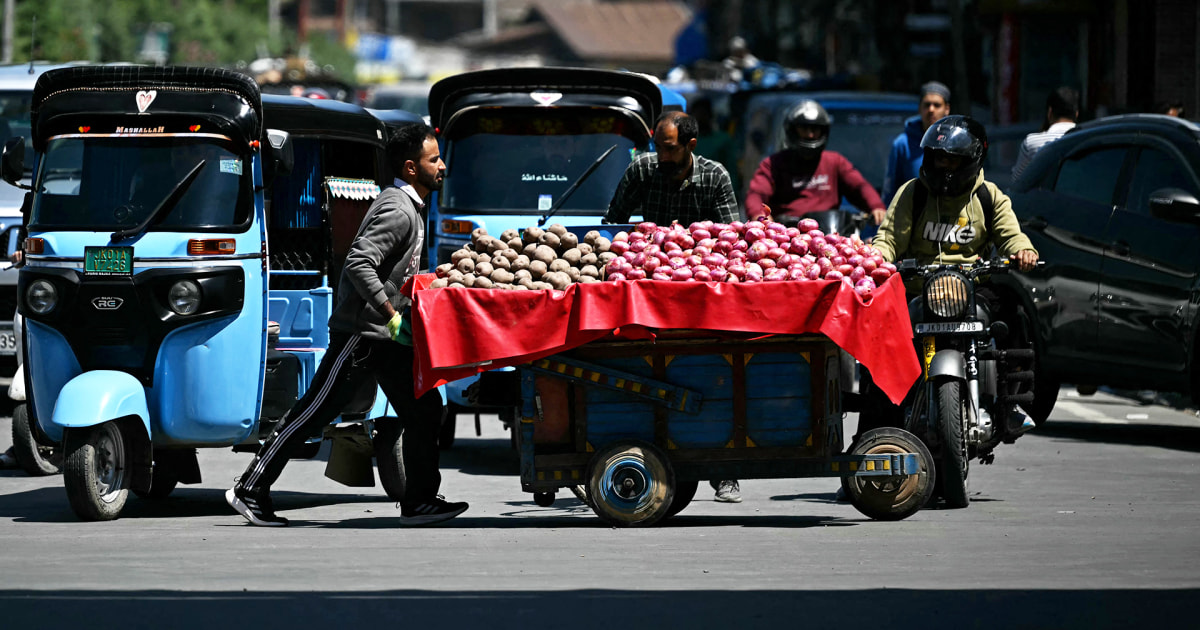
Resilience in Crisis: The Markets of Indian-Controlled Kashmir Reawaken
After months of heightened tensions, a fragile ceasefire between India and Pakistan has allowed markets in Indian-controlled Kashmir to cautiously reopen, signaling a tentative return to normalcy. Shopkeepers in Srinagar and surrounding areas are restocking shelves, customers are trickling back, and the hum of commerce is slowly replacing the silence of conflict. This resurgence highlights the resilience of local economies despite decades of geopolitical strife.
A Fragile Ceasefire Brings Cautious Optimism
The latest ceasefire agreement, announced in February 2023, marked the third such pact in five years. However, this time, the truce has held for over six months—a rarity in the volatile region. According to Indian government data, cross-border skirmishes dropped by 87% in the first half of 2023 compared to the same period last year. This relative calm has encouraged businesses to resume operations.
“We’ve seen this cycle before—hope followed by disappointment—but this ceasefire feels different,” says Dr. Aanya Mir, a geopolitical analyst at the University of Kashmir. “The duration of peace, coupled with increased trade permits, has allowed supply chains to stabilize. Local merchants are cautiously optimistic.”
The Economic Toll of Conflict
Before the ceasefire, Kashmir’s economy suffered significant losses:
- Tourism revenue dropped by 62% in 2022 (Kashmir Chamber of Commerce data)
- Over 12,000 small businesses closed temporarily
- Unemployment surged to 18%, nearly double India’s national average
The apple industry—Kashmir’s economic backbone, contributing $1.5 billion annually—faced severe disruptions. “Transport bans meant our produce rotted in warehouses,” shares Farid Ahmed, an orchard owner in Shopian. “Now, trucks are moving again, but we’ve lost two seasons’ worth of income.”
Signs of Revival in Srinagar’s Historic Markets
In Srinagar’s Lal Chowk district, the aroma of saffron and freshly baked sheermal bread once again fills the air. Storefronts shuttered for months now display vibrant Kashmiri shawls, handcrafted walnut wood furniture, and ruby-red apples. Foot traffic has returned to 60% of pre-conflict levels, per local trade associations.
However, challenges persist:
- Many wholesalers struggle with inflated supply costs due to earlier transport bottlenecks
- Tourist arrivals remain 45% below 2019 numbers
- Nighttime curfews continue in some areas, limiting business hours
Government Initiatives and Skepticism
The Indian government has launched a $250 million economic revival package for the region, focusing on:
- Interest-free loans for small businesses
- Subsidies for apple growers
- Digital literacy programs to boost e-commerce
While welcomed, some locals question the timing. “These measures should’ve come earlier,” says Riyaz Naikoo, head of the Kashmir Traders Federation. “Rebuilding trust takes more than money—it takes consistency in policy.”
The Human Cost Behind the Headlines
Behind the economic statistics lie deeply personal stories. Sameer Bhat, a third-generation carpet seller, recounts how his family survived by selling assets. “We ate through our savings. Now, we’re restarting with just 20% of our inventory,” he says, arranging intricate gabba rugs in his showroom.
Psychologists report a 40% increase in anxiety disorders among shopkeepers during the conflict period. Community support groups have emerged to address the trauma. “Economic recovery must include mental health care,” emphasizes Dr. Nusrat Khan, a Srinagar-based psychiatrist.
What’s Next for Kashmir’s Economy?
The road ahead remains uncertain but carries glimmers of hope:
- Tourism potential: The famous Dal Lake houseboats are reporting 75% occupancy for the upcoming autumn season
- Export opportunities: Saudi Arabia recently lifted a ban on Kashmiri apples, opening a $300 million market
- Youth engagement: Over 500 startups have registered under new government entrepreneurship schemes
As the ceasefire holds, international observers urge sustained diplomacy. “Economic stability in Kashmir requires lasting peace,” notes Markus Müller, UN Development Programme consultant. “The current lull presents a critical window for confidence-building measures.”
For now, the clatter of weights in spice markets and the cheerful haggling over kahwa tea prices serve as daily reminders of Kashmir’s enduring spirit. The world watches to see if this fragile rebirth can blossom into lasting renewal.
To support Kashmiri artisans, consider purchasing authentic handicrafts through verified fair-trade platforms like Kashmir Loom or Pashmina.com.
See more CCTV News Daily