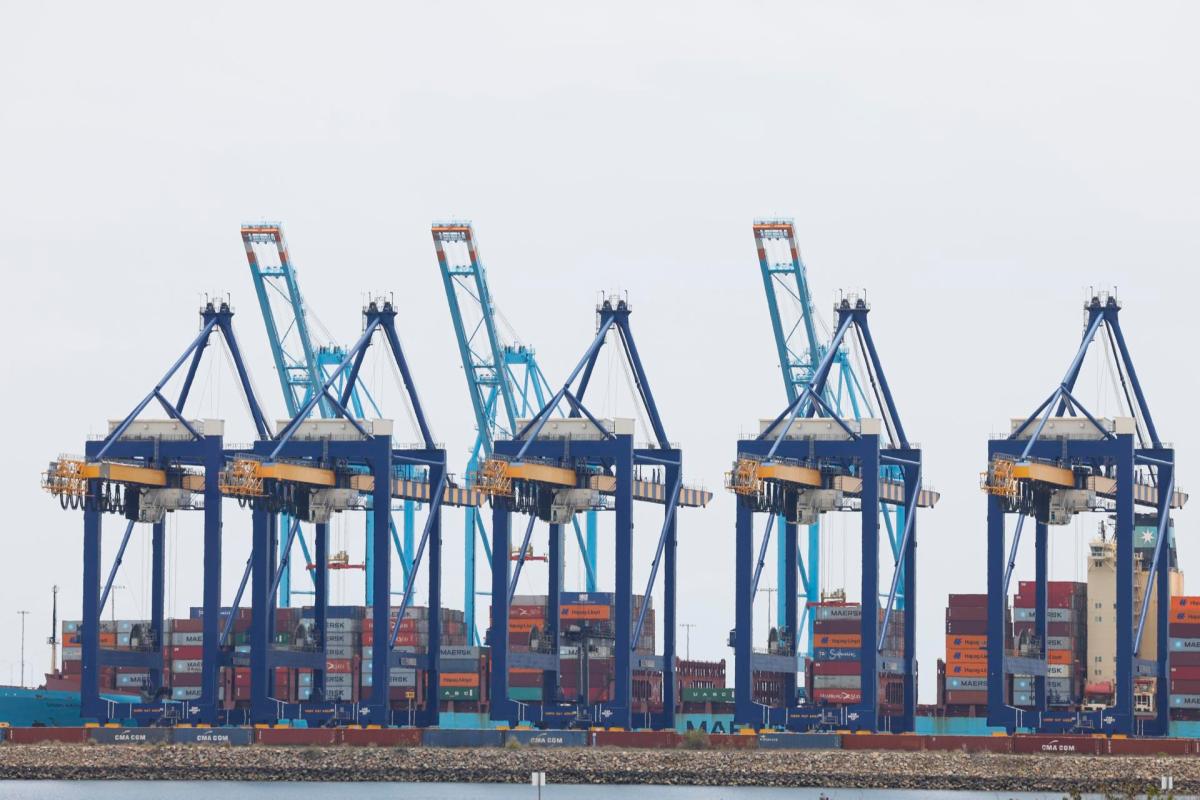
The ports of Los Angeles and Long Beach, America’s busiest trade gateways, face unprecedented disruptions as tariffs imposed during the Trump administration continue reshaping global supply chains. Four years after implementation, these trade barriers have slashed Chinese imports by 15%, forced costly operational overhauls, and sparked a 20% surge in shipping costs—creating ripple effects across the West Coast economy.
How Tariffs Redrew the Trade Map
When the Trump administration levied tariffs on $370 billion worth of Chinese goods between 2018-2020, the policy aimed to boost domestic manufacturing. Instead, it triggered a seismic shift in trade patterns that still reverberates through Southern California’s ports. Key impacts include:
- Volume declines: LA port handled 9.3 million TEUs in 2023, down from 9.7 million in 2019
- Commodity shifts: Tariffed electronics imports dropped 22% while non-tariffed furniture rose 18%
- Rerouted cargo: 12% of China-bound traffic shifted to Southeast Asian alternatives
“These tariffs forced importers to play musical chairs with supply chains,” explains maritime economist Dr. Lisa Chen of USC. “The ports became collateral damage in a trade war that prioritized political points over logistical realities.”
The Ripple Effects on Port Operations
Beyond declining volumes, the tariffs created operational nightmares for port authorities. The unpredictability of tariff implementations—sometimes announced with mere days’ notice—left terminal operators scrambling to adjust.
At Long Beach’s Middle Harbor terminal, manager Javier Rodriguez describes the chaos: “One week we’d have 50 extra containers of tariff-bound goods as importers rushed to beat deadlines. The next week, those docks would sit empty. This volatility made staffing and equipment planning impossible.”
The financial toll became equally severe:
- Storage revenue dropped 30% as importers accelerated cargo removal to avoid duties
- Equipment repositioning costs jumped $4 million annually
- Labor hours fluctuated wildly, creating union disputes over guaranteed shifts
Industry Adaptations and Workarounds
Facing these challenges, logistics companies developed creative—if costly—solutions. Many importers began using “tariff engineering,” slightly modifying product designs to qualify for different classification codes. Others shifted to “nearshoring,” moving production to Mexico and Vietnam.
“We’ve seen a 40% increase in transloaded cargo,” notes supply chain analyst Mark Williams. “Goods now arrive at LA ports only to be repackaged and re-exported tariff-free under new trade agreements.”
Meanwhile, port authorities invested heavily in diversification:
- $150 million in cold storage upgrades for agricultural exports
- New partnerships with Indian and Korean shipping lines
- Expanded rail connections to bypass congested highways
The Human Cost: Workers and Businesses Caught in the Crossfire
While corporate giants adapted, smaller businesses bore the brunt. San Pedro Bay’s trucking companies—90% small operators—faced ruinous volatility. “One month I’m working 80 hours, next month I can’t pay my mortgage,” recounts independent driver Miguel Soto. “These tariffs shook our industry like an earthquake.”
Local manufacturers saw mixed results. While some metal fabricators gained business, others suffered from retaliatory tariffs. “Our aluminum costs jumped 25% overnight,” says aerospace parts maker Elena Vasquez. “The tariffs gave with one hand and took with two.”
What’s Next for West Coast Trade?
With tariffs likely remaining through the 2024 election, experts urge long-term planning. The Pacific Merchant Shipping Association recommends:
- Developing tariff-resistant trade corridors with allied nations
- Accelerating automation to handle volatile volumes
- Creating buffer funds for workforce stabilization
“The new normal requires ports to be nimble,” advises former FMC commissioner Rebecca Dye. “Those who adapt fastest will thrive in this era of trade uncertainty.”
As the global trade landscape continues evolving, Southern California’s ports stand at a crossroads. Their ability to navigate these turbulent waters will determine whether they remain America’s premier trade gateways or yield ground to East Coast rivals. For businesses reliant on these supply chains, the message is clear: diversify now or risk being left behind.
See more CCTV News Daily