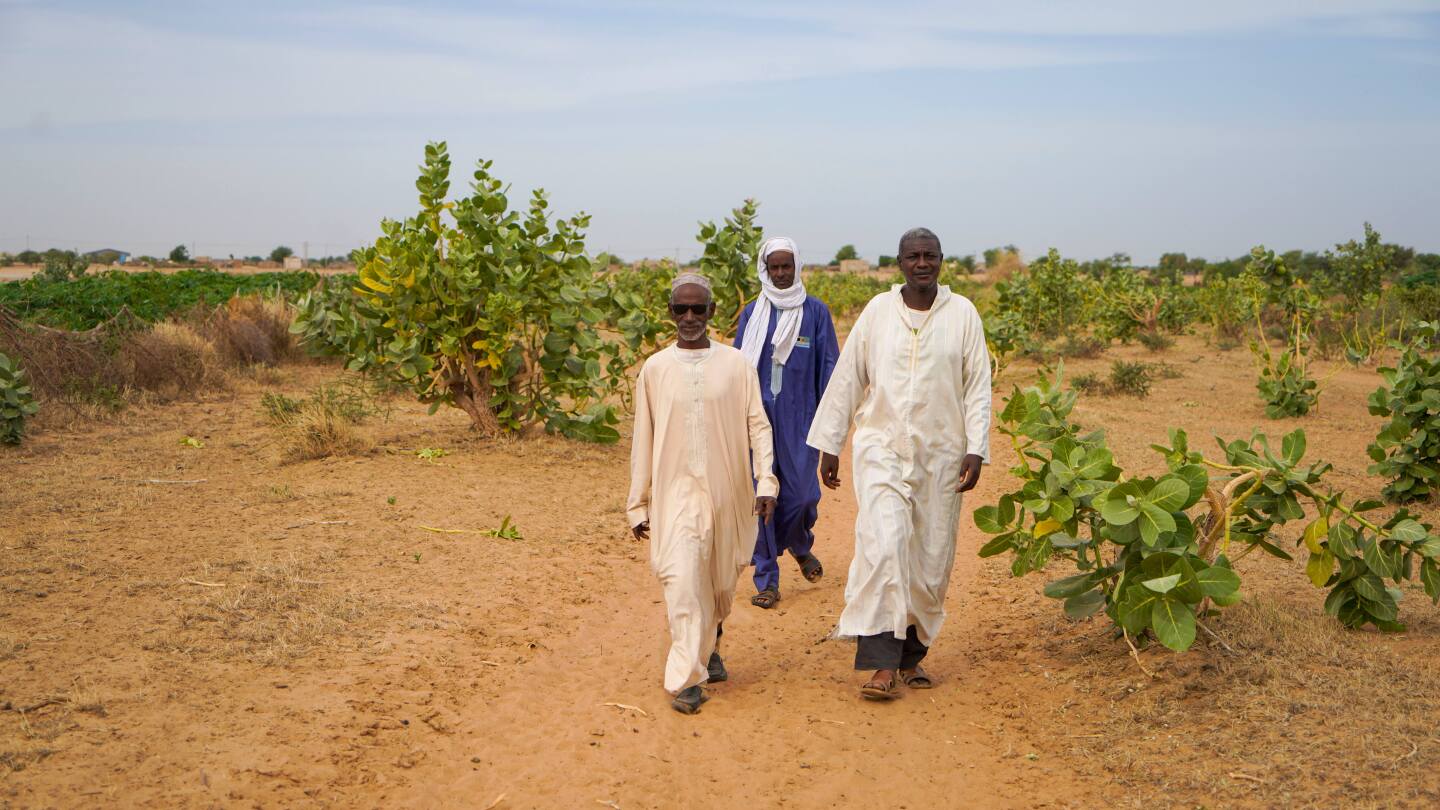
Dreams Deferred: The Fallout of a Major Land Deal in Senegal
A significant land acquisition by a US company in Senegal has unraveled, leaving a trail of broken promises and unfulfilled aspirations. This investigation delves into the factors that led to the collapse of this ambitious venture and its implications for local communities. The land deal, initially perceived as a beacon of hope for economic development and investment, quickly transformed into a source of disappointment and unrest for the local population.
The Background of the Land Deal
In 2022, a major US agriculture company announced plans to acquire vast tracts of land in Senegal, with the intention of establishing a large-scale agricultural project. The deal, which was touted as a means to enhance food security and create jobs, captured the attention of government officials and international investors alike. The prospect of modern farming techniques and infrastructure development promised to revolutionize local economies and improve livelihoods.
However, from the outset, the project faced skepticism from various stakeholders, particularly local communities. Concerns were raised about land rights, environmental impacts, and the potential displacement of farmers who had cultivated the land for generations.
Unraveling Promises
As the deal progressed, it became increasingly clear that the promises made by the US company were not materializing. Initial reports from the ground indicated that many local farmers were being pressured to vacate their lands without adequate compensation. This led to protests and a growing sense of betrayal among the affected communities.
- Lack of Transparency: Many locals reported that they were not properly informed about the deal’s implications for their land and livelihoods.
- Displacement Issues: Farmers who had relied on their land for sustenance found themselves facing eviction, often with little to no support.
- Environmental Concerns: The proposed agricultural practices raised alarms about potential harm to local ecosystems and water resources.
Community leaders voiced their frustrations, emphasizing that the deal had promised prosperity but instead delivered uncertainty and fear. The initial enthusiasm for foreign investment quickly turned into a fight for land rights and survival.
The Role of Government and Policy
The Senegalese government, eager to attract foreign investment, played a pivotal role in facilitating the land acquisition. However, this eagerness also raised questions about governance and accountability. Critics argued that the government neglected to prioritize the rights and voices of local communities in the decision-making process.
Moreover, the lack of robust land tenure laws in Senegal complicated the situation. Many local farmers operated on customary land rights, which are not always recognized by formal legal frameworks. This inadequacy allowed for easier dispossession and exploitation by powerful corporations.
Impact on Local Communities
The fallout from the land deal has been profound, with communities now grappling with the consequences of broken promises. The once hopeful vision of job creation and economic development has been replaced by a grim reality. Key impacts include:
- Loss of Livelihoods: Many farmers have lost their primary source of income, leading to increased poverty levels in the affected areas.
- Social Unrest: Protests against the land deal have escalated, as communities unite to demand justice and compensation for their losses.
- Health Concerns: The disruption of local farming practices has raised fears about food security and nutritional health among residents.
Lessons Learned and the Path Forward
The collapse of this major land deal serves as a cautionary tale for future investments in Senegal and similar contexts. It underscores the critical importance of involving local communities in land negotiations and ensuring that their rights are protected. Key lessons learned include:
- Community Engagement: Genuine consultation with local communities is essential to fostering trust and mitigating conflicts.
- Legal Frameworks: Strengthening land tenure laws can protect vulnerable populations from dispossession and exploitation.
- Accountability Measures: Establishing mechanisms for accountability can ensure that companies adhere to ethical practices and community welfare.
Moreover, international investors should recognize that sustainable development cannot occur without considering the social and environmental contexts of their projects. Building partnerships based on mutual respect and understanding can lead to more successful outcomes for all stakeholders involved.
The Future of Land Deals in Senegal
As Senegal moves forward from this experience, the future of land deals and foreign investments remains uncertain. The government faces the challenge of balancing economic growth with the rights and needs of its citizens. Advocates for social justice are calling for reforms that prioritize community welfare and sustainable development practices.
In conclusion, while the initial vision of economic prosperity through the land deal in Senegal has been thwarted, it also presents an opportunity for reflection and change. It is crucial for both the Senegalese government and foreign investors to learn from this experience and ensure that future endeavors are conducted with integrity and respect for the communities they impact. By doing so, they can foster a more equitable and sustainable path toward development, turning dreams deferred into dreams fulfilled for the people of Senegal.
See more CCTV News Daily