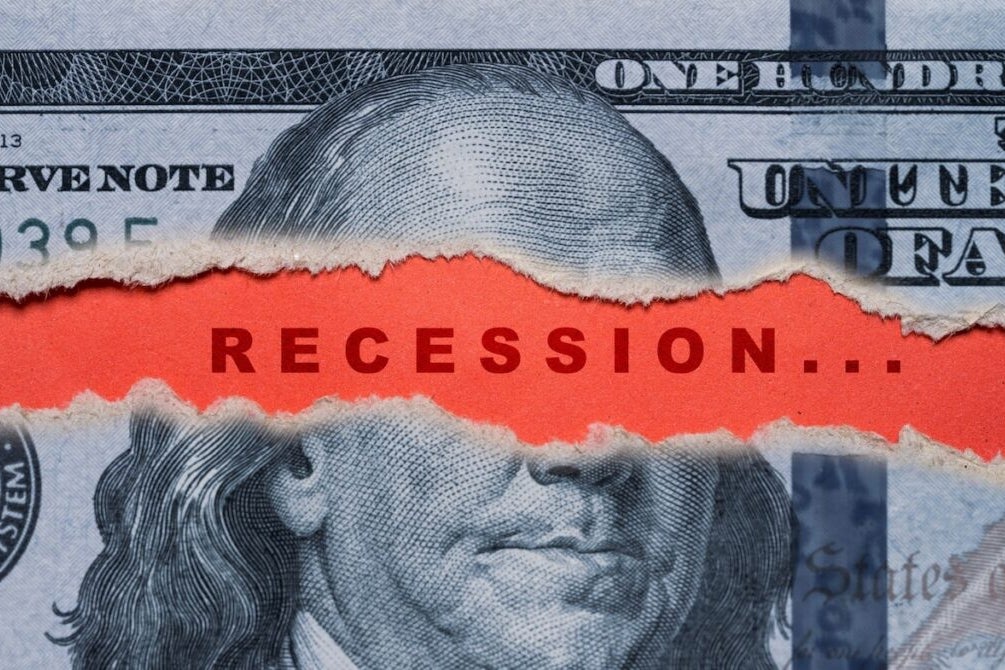
Larry Summers Urges Trump to Reverse Tax Cuts Amid Economic Concerns
Former U.S. Treasury Secretary Larry Summers has called on ex-President Donald Trump to reconsider his signature tax cuts, warning that maintaining the policy could exacerbate economic instability and trigger a recession. Summers, a Harvard economist, voiced his concerns this week amid rising inflation, soaring national debt, and market volatility. His critique highlights growing unease among experts about fiscal policies in an uncertain economic climate.
The Case Against Trump-Era Tax Policies
Summers argues that the 2017 Tax Cuts and Jobs Act, which slashed corporate tax rates from 35% to 21%, disproportionately benefited wealthy individuals and corporations while failing to deliver promised long-term growth. According to the Congressional Budget Office (CBO), the cuts added nearly $2 trillion to the national deficit by 2023. “The math simply doesn’t add up,” Summers stated. “When you combine regressive tax policies with unchecked spending, you’re inviting fiscal disaster.”
Recent data supports his concerns:
- The federal deficit surged to $1.7 trillion in FY 2023, a 23% increase from 2022.
- Corporate tax revenues fell by 31% in the first year post-implementation.
- Only 20% of Americans reported perceiving tangible benefits from the cuts, per a 2023 Pew Research poll.
Divergent Perspectives on Fiscal Strategy
While Summers advocates for reversal, Trump and Republican leaders defend the cuts as essential for competitiveness. “Lower taxes fuel innovation and job creation,” said Stephen Moore, a Heritage Foundation economist. “Reversing them now would cripple small businesses and send jobs overseas.” Proponents point to pre-pandemic GDP growth and record-low unemployment in 2019 as evidence of success.
However, independent analyses suggest otherwise. A 2024 study by the Brookings Institution found that 60% of corporate savings from tax cuts went to stock buybacks rather than wages or investments. Meanwhile, the middle-class saw average annual savings of just $1,200—far below initial projections.
Economic Risks on the Horizon
Summers warns that sustaining the cuts amid current conditions—including 3.9% inflation and $34 trillion in national debt—could force the Federal Reserve to keep interest rates higher for longer. “We’re in a fiscal trap,” he remarked. “Stimulus-era spending needs to be offset by revenue increases, not compounded by tax breaks.”
Key indicators raising alarms:
- Interest payments on the national debt hit $659 billion in 2023, surpassing defense spending.
- The U.S. debt-to-GDP ratio reached 123%, its highest since World War II.
- Moody’s recently downgraded the U.S. credit outlook from “stable” to “negative.”
Political Roadblocks to Reform
With the 2024 election looming, tax policy has become a partisan flashpoint. President Biden proposes raising corporate taxes to 28% and implementing a billionaire minimum tax, but these measures face stiff GOP opposition. “Tax hikes would derail the recovery,” argued House Speaker Mike Johnson, echoing Trump’s campaign rhetoric.
Yet bipartisan economists like Maya MacGuineas of the Committee for a Responsible Federal Budget urge compromise: “The fiscal gap requires both spending cuts and revenue increases. Neither party has a monopoly on good ideas.”
What’s Next for U.S. Fiscal Policy?
As debates intensify, businesses and households brace for potential changes. Possible scenarios include:
- Status quo: Trump’s potential re-election could extend the cuts beyond their 2025 expiration.
- Partial repeal: Biden may negotiate narrower reforms targeting top earners.
- Market-driven adjustments: A recession or debt crisis could force abrupt policy shifts.
Summers’ warning underscores a pivotal moment: “History shows that fiscal recklessness ends in austerity or collapse. The question isn’t whether to act—it’s how.” For investors and voters alike, the stakes have never been higher.
Stay informed on evolving economic policies by subscribing to our newsletter for expert analysis and real-time updates.
See more CCTV News Daily