Bridging the Gap: Understanding the Challenges Faced by Latino Workers in the Age of Automation and AI
As automation and artificial intelligence (AI) reshape the workforce, Latino workers are at the forefront of efforts to adapt and thrive in this changing landscape. Automation is revolutionizing industries, creating new opportunities while also posing significant challenges, particularly for marginalized communities. This article delves into the unique challenges faced by Latino workers, the strategies being employed to bridge the technological divide, and the initiatives aimed at ensuring equitable opportunities as they confront the future of work.
The Impact of Automation and AI on Latino Workers
Automation and AI technologies are transforming various sectors, including manufacturing, agriculture, and service industries. While these advancements can lead to increased productivity and efficiency, they also threaten jobs that Latino workers predominantly occupy. According to the Pew Research Center, Latino workers are overrepresented in roles that are highly susceptible to automation, such as in manufacturing and administrative support.
For instance, a significant portion of the Latino workforce is employed in agriculture, where mechanization and AI-driven technologies are beginning to replace traditional labor. This shift raises concerns about job displacement and the economic stability of communities that rely heavily on these jobs. Furthermore, the rapid pace of technological change often leaves behind those lacking the necessary skills to adapt to new roles.
Challenges in Skills and Education
One of the primary challenges faced by Latino workers is the skills gap. Many Latino workers may not have access to advanced education or training programs that equip them with the skills needed in a tech-driven economy. This gap is compounded by socioeconomic barriers, such as limited financial resources and time constraints, which hinder their ability to pursue further education.
Moreover, language barriers can also impede access to training programs and technological resources. Many Latino workers are bilingual but may not feel comfortable or confident in English-speaking environments, which can affect their ability to participate in training or educational initiatives.
Strategies for Bridging the Gap
Despite these challenges, numerous strategies are being implemented to help Latino workers adapt to the changing work landscape. From community initiatives to corporate training programs, efforts are underway to ensure that Latino workers are not left behind in the age of automation and AI.
Community-Based Training Programs
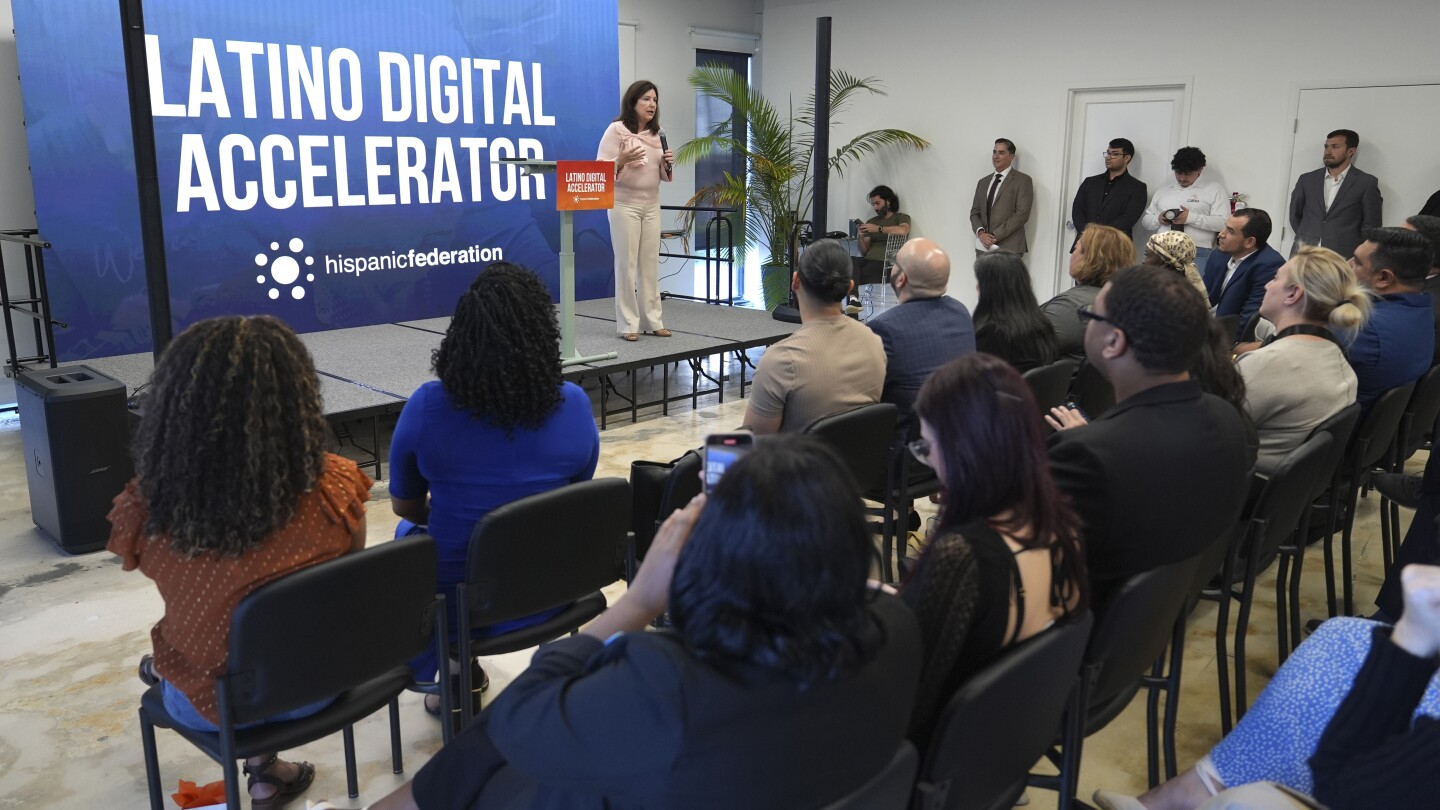
Community organizations are playing a crucial role in providing training and resources to Latino workers. Many nonprofits offer vocational training programs tailored to the needs of the local workforce. These programs often focus on:
- Basic digital literacy
- Advanced manufacturing skills
- Data analysis and programming
- Soft skills such as communication and teamwork
By partnering with local businesses, these organizations can align training outcomes with job opportunities in the community, ensuring that participants are well-prepared for available positions.
Corporate Responsibility and Initiatives
Many companies recognize the importance of diversity and inclusion in their workforce and are actively working to implement initiatives that promote equitable opportunities for Latino workers. Some of these initiatives include:
- Internship Programs: Corporations are offering internships specifically targeting Latino students and recent graduates, providing them with valuable work experience and mentorship opportunities.
- Partnerships with Educational Institutions: Collaborating with colleges and universities to create training programs that align with industry needs.
- Scholarships and Grants: Providing financial assistance for Latino workers seeking to further their education in technology and skilled trades.
Such initiatives not only benefit Latino workers but also help companies build a more diverse and skilled workforce, which can enhance creativity and innovation.
The Role of Technology in Empowerment
While technology poses challenges, it also offers solutions. Digital platforms can provide Latino workers with access to online training and resources, enabling them to learn at their own pace and on their own schedule. For example, platforms like Coursera and Udemy offer courses in programming, data science, and other in-demand skills that can be accessed from anywhere.
Additionally, mobile technology has the potential to connect Latino workers with job opportunities, training programs, and community resources. Apps that facilitate job matching can help workers find positions that align with their skills and aspirations, further bridging the gap in employment opportunities.
Advocacy and Policy Changes
Advocacy groups are also working to influence policy changes that support Latino workers in adapting to automation and AI. These organizations push for:
- Increased funding for workforce development programs
- Support for bilingual education and training resources
- Legislation that protects workers from sudden job displacement
By advocating for these changes, these organizations aim to create a more equitable workforce where Latino workers can thrive in the face of technological advancements.
Success Stories and Positive Outcomes
There are numerous success stories of Latino workers who have successfully navigated the challenges posed by automation and AI. For instance, several community colleges have reported significant increases in the enrollment of Latino students in STEM programs. These students are not only gaining valuable skills but are also becoming role models for others in their communities.
Moreover, companies that have embraced diversity and invested in the training of Latino workers are reaping the benefits of a more engaged and skilled workforce. These companies have reported increased productivity and innovation as a result of their commitment to diversity and inclusion.
As automation and AI continue to transform the workforce, it is essential to recognize the unique challenges faced by Latino workers and take proactive steps to bridge the gap. By investing in education, training, and advocacy, communities, corporations, and policymakers can work together to ensure that Latino workers not only survive but thrive in the evolving job market.
In this journey of adaptation, it is crucial to foster an environment of inclusivity, where every worker has the opportunity to learn, grow, and contribute to the economy. Bridging the gap is not merely a task for one group; it is a shared responsibility that requires collaboration from all sectors of society.
As we look to the future, let us embrace the potential of technology while ensuring that no worker is left behind. Together, we can create a workforce that is strong, diverse, and ready to meet the challenges of tomorrow.
See more CCTV News Daily