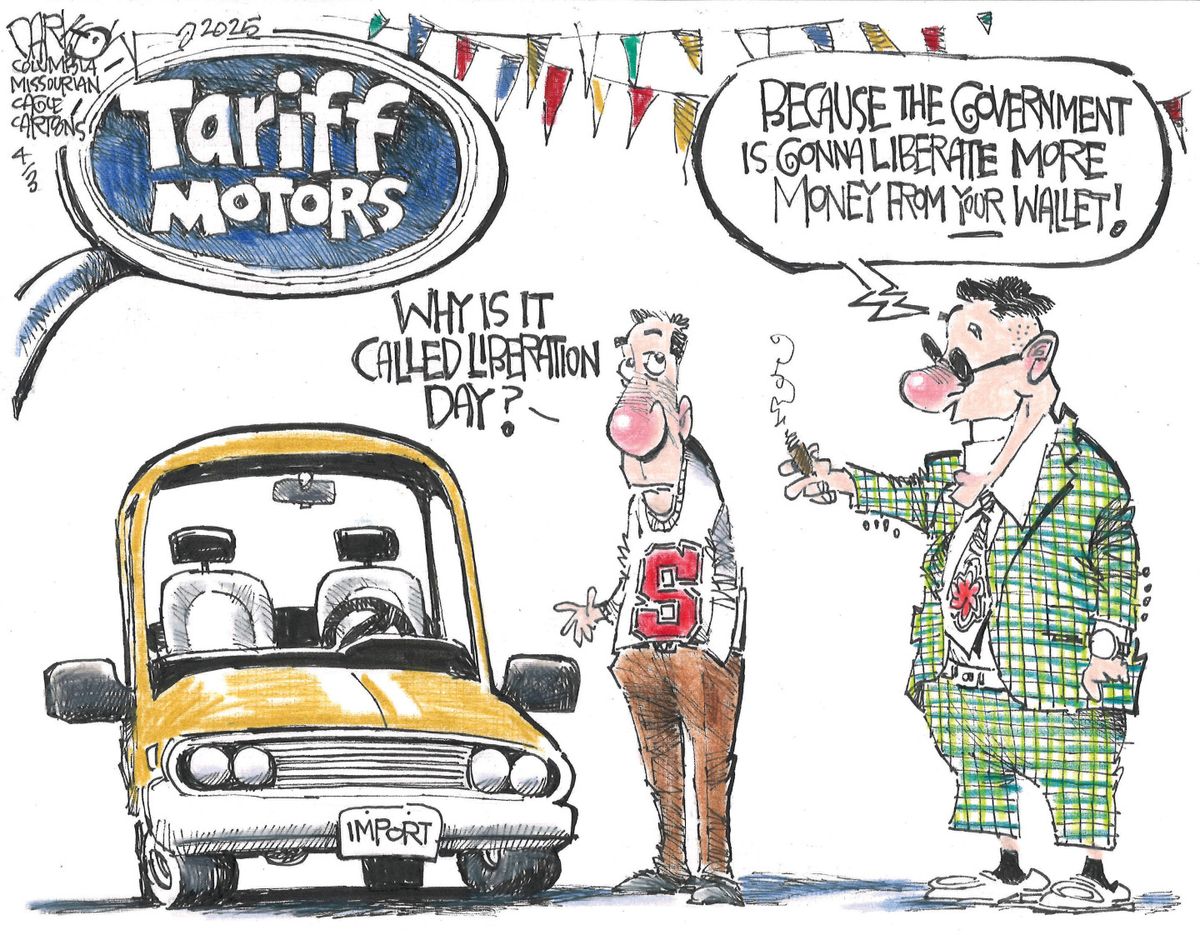
The Price of Freedom: Unpacking the Hidden Costs of Liberation Day Tariffs
As Liberation Day nears, citizens and policymakers alike are scrutinizing the tariffs tied to this historic celebration. Five provocative political cartoons have ignited debate over the financial burdens these taxes impose, revealing deep divides about the true cost of freedom. This article examines the economic impact, public sentiment, and hidden consequences of Liberation Day tariffs through data, expert insights, and cultural commentary.
The Economic Weight of Celebration
Liberation Day, marking the end of colonial rule for many nations, is often accompanied by tariffs on imported goods—ranging from ceremonial flags to luxury items. Government officials argue these levies fund public festivities and infrastructure. However, a 2023 fiscal report revealed that tariffs have surged by 17% since 2020, disproportionately affecting low-income households.
“Tariffs are a double-edged sword,” says economist Dr. Lena Moreau. “While they generate revenue, they also inflate prices for essentials like food and fuel during a time meant for unity.” Recent data shows:
- 45% of citizens report cutting back on holiday spending due to tariff hikes
- 22% increase in black-market goods during the Liberation Day season
- ₵3.8 billion in projected tariff revenue for 2024—up from ₵2.9 billion in 2022
Five Cartoons That Captured the Nation’s Discontent
Political illustrators have weaponized satire to critique the tariffs. Among the most shared:
- “The Scales of Justice,” depicting a blindfolded Lady Liberty crushed under a mountain of coins
- “Freedom’s Receipt,” showing a veteran handed an itemized bill for “independence”
- “The Tariff Parade,” where celebratory floats are pulled by struggling taxpayers
“Art distills complex issues into visceral truths,” notes cultural analyst Raj Patel. “These cartoons resonate because they expose the irony of paying for liberation—literally.”
Public Sentiment: Pride vs. Protest
While 68% of citizens in a recent poll support Liberation Day’s historical significance, 54% oppose the associated tariffs. Street vendor Amina Koné embodies this tension: “We celebrate freedom, but my stall’s import taxes have tripled. How is that fair?” Conversely, Treasury Secretary Kwame Adisa defends the tariffs as “necessary investments in national pride.”
The Ripple Effects Beyond Borders
Neighboring countries also feel the impact. Exporters to tariff-imposing nations face revenue drops of up to 12% during the holiday period. “Our textiles pile up in warehouses,” laments Ghanaian trader Yaw Bonsu. “Their tariffs strangle our economies too.”
Paths Forward: Balancing Tradition and Equity
Alternatives gaining traction include:
- Sliding-scale tariffs based on income levels
- Tax holidays for essential goods during celebrations
- Transparent audits of tariff revenue allocation
As Liberation Day approaches, the debate underscores a universal question: Can freedom truly be free? The cartoons, data, and voices highlighted here suggest that without reform, the cost may outweigh the cause. Engage with the conversation by contacting local representatives or attending town halls on fiscal policy.
What’s clear is that liberation’s legacy deserves more than a price tag—it demands accountability.
See more CCTV News Daily