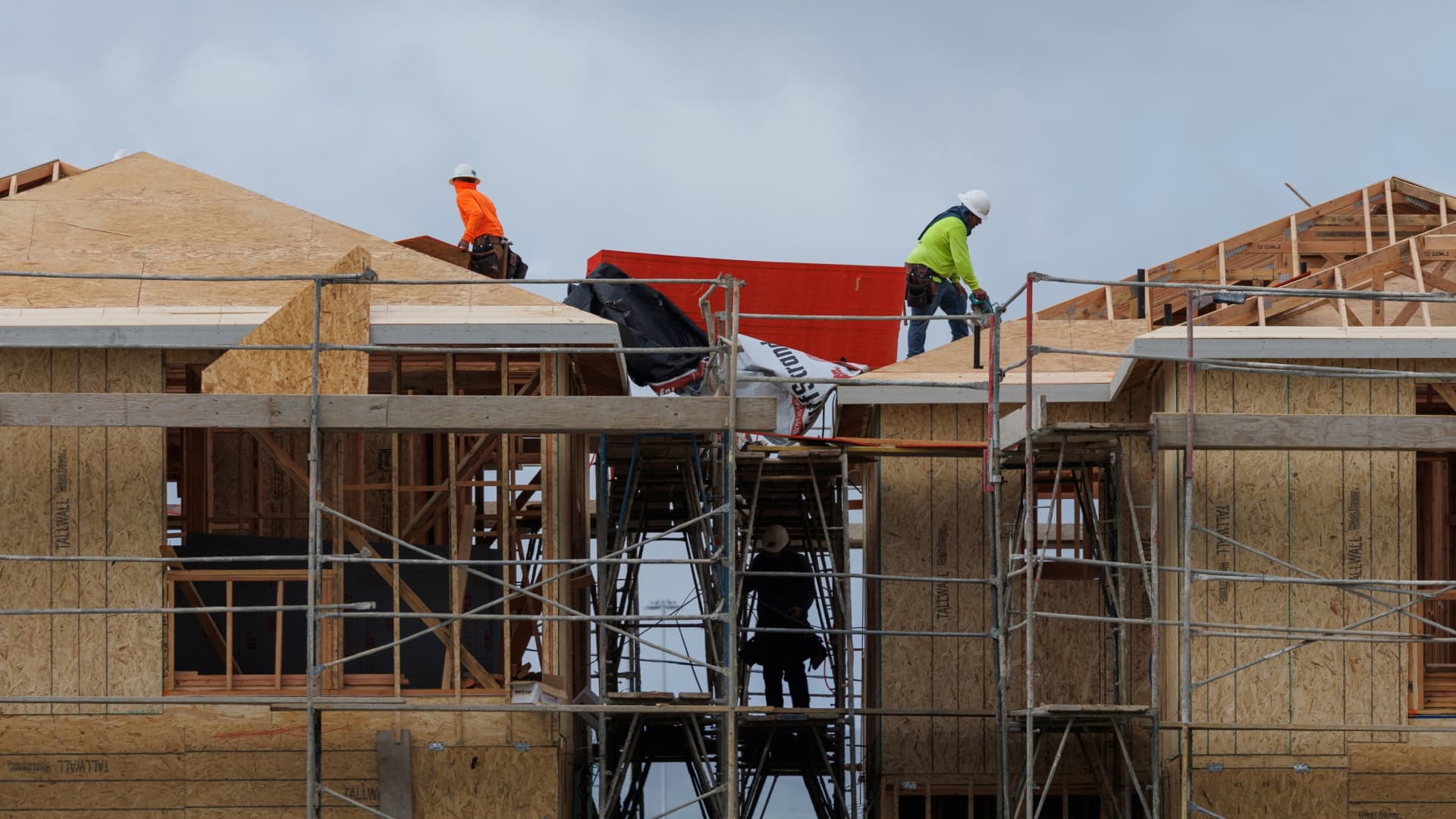
Lumber Duties: A Hidden Barrier to Affordable Housing in America
Rising lumber tariffs are exacerbating America’s housing affordability crisis, adding thousands of dollars to construction costs at a time when home prices already sit near record highs. Since 2017, duties on Canadian softwood lumber have fluctuated between 7.99% and 20.23%, contributing to price volatility that ultimately gets passed to homebuyers. With the average new single-family home requiring 16,000 board feet of lumber, these tariffs directly impact the dream of homeownership for millions.
The Tariff Impact on Construction Costs
According to the National Association of Home Builders (NAHB), current lumber duties add approximately $1,800 to the price of an average new home. When combined with pandemic-related supply chain disruptions that saw lumber prices spike 300% between April 2020 and May 2021, the cumulative effect has been devastating for affordability.
“These tariffs function as a hidden tax on American homebuyers,” explains Dr. Robert Dietz, Chief Economist at NAHB. “For every $1,000 increase in home prices, nearly 150,000 households get priced out of the market nationally.”
Recent data illustrates the severity:
- U.S. median home prices rose 42% between 2019-2023 (U.S. Census Bureau)
- Lumber represents 8-10% of total construction costs (Joint Center for Housing Studies)
- Current duties add $120-$150 per 1,000 board feet (Random Lengths Lumber Report)
The Trade Dispute Behind the Duties
The current lumber tariffs stem from a decades-long trade dispute between the U.S. and Canada regarding softwood lumber exports. The U.S. claims Canada unfairly subsidizes its timber industry through government-owned forests, while Canada argues its pricing systems are market-based.
“This isn’t just about economics—it’s about political posturing,” says trade policy analyst Miranda Chen of the Peterson Institute. “Both administrations have used lumber as leverage in broader negotiations, with little regard for housing market consequences.”
The dispute has seen multiple iterations:
- 1982: First major U.S. lumber tariff imposed (15%)
- 2006: Softwood Lumber Agreement established temporary stability
- 2017: U.S. Commerce Department reimposed tariffs after agreement expiration
How Lumber Duties Affect Different Housing Sectors
The ripple effects of lumber tariffs extend across all housing market segments, with particularly severe consequences for entry-level homes and rental properties.
First-Time Homebuyers Hit Hardest
Entry-level homes, which typically have higher lumber-to-value ratios, absorb disproportionate cost increases. A 2023 Harvard Joint Center study found that for homes under $300,000, lumber costs represent nearly 12% of total construction expenses compared to 7% for luxury homes.
“We’re seeing entire starter home projects shelved because the math no longer works,” reports Texas developer Marcus Reynolds. “When tariffs push your build cost to $220,000 for a home you planned to sell at $240,000, you either raise prices or walk away.”
Rental Market Pressures Intensify
Multifamily construction faces similar challenges. The National Multifamily Housing Council estimates lumber duties add $3,000-$4,000 per apartment unit, costs ultimately borne by renters through higher monthly payments.
Key impacts on rental housing:
- Average U.S. rent increased 23% since 2020 (Zillow Observed Rent Index)
- Construction delays due to cost uncertainty lengthen development timelines
- Affordable housing projects relying on tight margins become unviable
Potential Solutions and Industry Responses
As the affordability crisis worsens, stakeholders are exploring multiple approaches to mitigate the tariff impact.
Policy Proposals and Legislative Efforts
Several bills introduced in Congress aim to address the issue:
- The Affordable Housing Act (2023) proposes temporary duty suspensions
- Bipartisan efforts to negotiate a new softwood lumber agreement
- Tax credit programs for builders using alternative materials
Meanwhile, industry groups are pushing for change through different channels. The NAHB recently launched a “Build for the Future” campaign, urging policymakers to reconsider lumber tariffs in light of housing affordability metrics.
Innovations in Construction Materials
Some builders are adapting through material substitutions and construction innovations:
- Increased use of steel framing in mid-rise construction
- Expanded implementation of mass timber technologies
- 3D-printed home components reducing lumber dependence
“Necessity breeds innovation,” notes architect Lila Fernandez. “We’re seeing more creative solutions now than at any point in the last 50 years—but material transitions take time and capital many small builders don’t have.”
The Future of Housing Affordability and Trade Policy
With no immediate resolution in sight, industry experts predict continued volatility in both lumber markets and housing affordability. The White House faces mounting pressure to balance trade enforcement with domestic policy priorities, particularly as the 2024 election cycle approaches.
Key considerations moving forward:
- Ongoing NAFTA renegotiations could include lumber provisions
- Climate policies may influence future timber harvesting regulations
- Technological advances could reduce but not eliminate lumber dependence
For prospective homebuyers and renters, the message remains cautious. “Until we see meaningful policy changes,” warns economist Dietz, “these hidden costs will continue eroding housing affordability nationwide.” Those concerned about these issues can contact their congressional representatives through the NAHB’s legislative action center to voice support for tariff reform.
See more CCTV News Daily