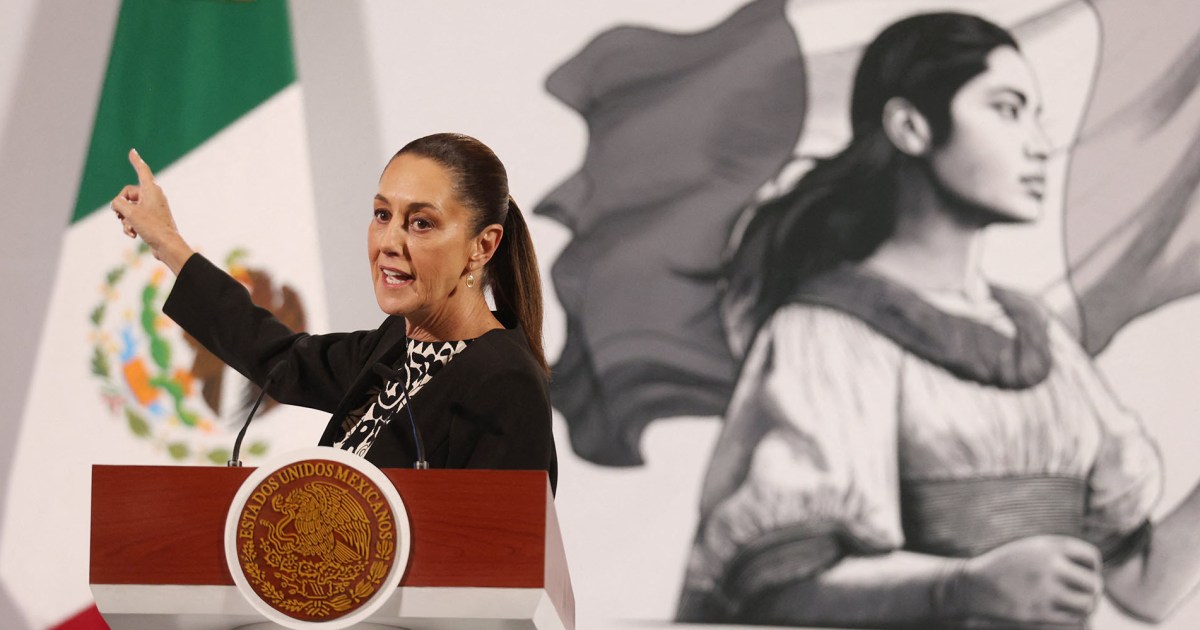
Mexico’s President Postpones Tariffs: A Strategic Trade Decision
In a surprising move, Mexico’s president recently announced a one-month delay on proposed tariffs aimed at various imports, stirring discussions about the implications for trade relations not only with the United States but also globally. This decision marks a significant shift in Mexico’s economic policy and raises questions about its potential impact on international trade dynamics, specifically regarding industries that heavily rely on cross-border transactions.
Understanding the Tariff Postponement
The announcement of the tariff postponement underscores a moment of strategic recalibration in Mexico’s trade policy. Initially set to take effect earlier, these tariffs were intended to address trade imbalances and protect certain domestic industries from foreign competition. The delay, however, reflects a more nuanced approach, balancing domestic economic interests with the realities of international relations.
President Andrés Manuel López Obrador emphasized that this decision was made to foster a more favorable negotiation environment. By postponing the tariffs, Mexico aims to demonstrate its commitment to dialogue and cooperation with trading partners, particularly the United States, its largest trading partner.
Implications for Trade Relations
The postponement of tariffs carries several implications for Mexico’s trade relations:
- Strengthening Bilateral Ties: By delaying the tariffs, Mexico signals its willingness to work collaboratively with the U.S. This could lead to enhanced negotiations on various trade issues, including labor rights, environmental standards, and supply chain stability.
- Market Stability: For businesses operating in both countries, this decision may alleviate immediate uncertainties regarding costs and pricing. Market stability is crucial for planning and investment, and a delay can help maintain confidence among investors.
- Focus on Domestic Production: The one-month delay may provide Mexican industries additional time to enhance their competitiveness. It could prompt businesses to innovate and increase productivity, thereby reducing long-term dependency on tariffs for protection.
Economic Considerations and Industry Responses
The impact of the tariff postponement will likely vary across different industries. Here’s how key sectors may react:
- Agriculture: The agricultural sector, which often faces competitive pressures from U.S. imports, may see this delay as an opportunity to strengthen domestic production. Farmers could ramp up efforts to improve crop yields and market their products more effectively.
- Manufacturing: Manufacturers relying on imported components will benefit from the delay, allowing them to maintain steady production without the immediate burden of increased costs. This could lead to a boost in output and job stability in the short term.
- Consumer Goods: For industries involved in consumer goods, the postponement allows for a reassessment of pricing strategies. Companies can avoid passing on potential tariff costs to consumers, thus maintaining sales momentum.
Global Trade Dynamics
On a global scale, Mexico’s decision could influence trade relations beyond the U.S. For instance, the delay might encourage other countries to reconsider their own tariff strategies, leading to a more cooperative international trade environment. Countries that have been wary of Mexico’s trade policies may see this as an opportunity to re-engage and negotiate better terms.
Furthermore, the postponement aligns with a growing trend towards multilateralism in trade discussions. As nations grapple with the consequences of protectionist policies, Mexico’s approach could inspire similar strategies among other countries seeking to balance domestic interests with global economic realities.
Future Trade Negotiations
Looking ahead, the postponement of tariffs might pave the way for more comprehensive trade negotiations. It opens the door for discussions surrounding:
- Labor Rights: Enhancing labor rights in trade agreements has become increasingly important. Mexico may leverage this delay to negotiate better labor conditions, ensuring workers are treated fairly.
- Environmental Standards: As global awareness of environmental issues rises, Mexico could advocate for strong environmental protections in trade agreements, aligning economic growth with sustainability.
- Supply Chain Resilience: The ongoing global pandemic has highlighted vulnerabilities in supply chains. Mexico’s position may allow it to negotiate terms that promote resilience and flexibility in trade logistics.
Conclusion: A Step Towards Cooperative Trade
In summary, Mexico’s president’s decision to postpone tariffs for one month is a strategic move that could significantly influence trade relations both regionally and globally. By prioritizing dialogue over immediate protectionist measures, Mexico is positioning itself as a cooperative partner in international trade.
This delay offers a unique opportunity for various industries to prepare for future challenges while also encouraging greater collaboration between Mexico and its trading partners. As the world continues to navigate complex trade dynamics, Mexico’s approach may serve as a model for fostering economic relationships that benefit all parties involved.
Ultimately, the decision reflects a commitment to finding common ground and enhancing economic ties, a positive signal in an era where cooperation is essential for sustainable growth.
See more CCTV News Daily