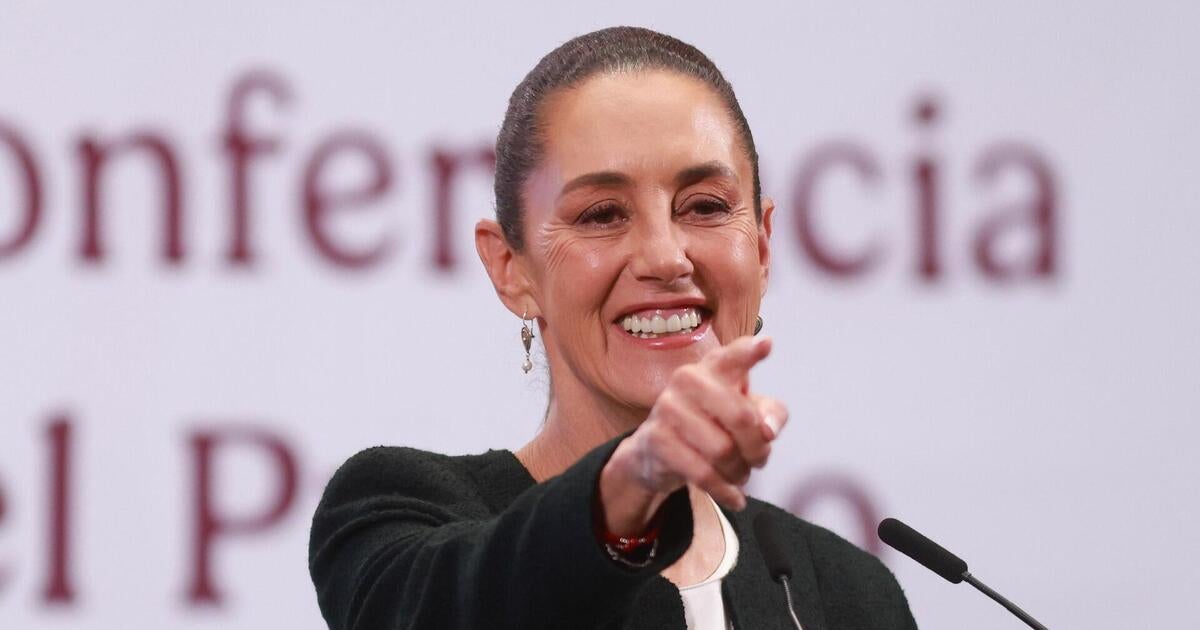
Mexico’s Response to Trump’s Tariffs: Economic Strategies Unveiled
As the global economic landscape continues to shift, Mexico finds itself at a crossroads, facing the implications of President Trump’s tariffs with resilience and strategic foresight. The imposition of tariffs, particularly on goods such as steel and aluminum, has prompted Mexico to recalibrate its economic strategies to mitigate adverse effects and bolster trade relationships. This article delves into Mexico’s multifaceted approach, exploring various economic strategies that aim to safeguard its economy while opening doors to new opportunities.
Understanding the Tariff Landscape
President Trump’s tariffs, primarily aimed at protecting American industries, have far-reaching consequences for international trade, especially for neighboring countries like Mexico. The tariffs not only increase the cost of imported goods but also disrupt established supply chains. For Mexico, a country heavily reliant on exports to the United States, this situation necessitated a robust response.
The initial reaction from the Mexican government included diplomatic efforts to negotiate better terms and reduce the impact on its economy. However, as the tariffs solidified, it became clear that a more comprehensive strategy was needed.
Strategic Economic Policies: Diversification
One of Mexico’s primary responses to the tariffs has been economic diversification. By expanding its trade relationships beyond the U.S., Mexico aims to reduce its dependence on a single market, thereby mitigating risks associated with tariff impositions.
- Strengthening Ties with Latin America: Mexico has sought to enhance trade agreements with other Latin American countries, focusing on regional integration. Initiatives like the Pacific Alliance, which includes Chile, Colombia, and Peru, aim to create a more cohesive trading bloc in the region.
- Engaging with Emerging Markets: Mexico is also looking towards Asia and Africa for new trade partnerships. By exploring markets in countries such as India and Vietnam, Mexico aims to tap into a growing consumer base and diversify its export destinations.
Enhancing Domestic Production
In response to the tariffs, Mexico is investing in domestic production capabilities. By fostering local industries, the government hopes to reduce the reliance on imported goods that have become more expensive due to tariffs. This approach not only strengthens the economy but also promotes job creation and innovation.
- Supporting Small and Medium Enterprises (SMEs): The Mexican government has launched several initiatives aimed at supporting SMEs, which are crucial for economic growth. These initiatives include providing access to credit, technical assistance, and training programs to enhance the competitiveness of local businesses.
- Investing in Technology: Embracing technology in manufacturing and agriculture is another focus area. By adopting advanced technologies, Mexican industries can improve efficiency, reduce costs, and enhance product quality, making them more competitive in the global market.
Leveraging Trade Agreements
Another significant aspect of Mexico’s response to Trump’s tariffs has been the strategic utilization of trade agreements. The United States-Mexico-Canada Agreement (USMCA), which replaced NAFTA, has provided Mexico with a framework to enhance trade relations with both the U.S. and Canada. However, Mexico is also exploring additional agreements to further bolster its trade network.
- New Trade Deals: Mexico is actively negotiating free trade agreements with countries such as the European Union and Japan, aiming to secure favorable trading conditions that can offset the negative impacts of U.S. tariffs.
- Strengthening Existing Agreements: By optimizing existing trade agreements, Mexico seeks to maximize its benefits from global trade while ensuring that its industries remain competitive.
Promoting Foreign Investment
To further bolster its economy, Mexico has been proactive in promoting foreign investment. The government recognizes that attracting foreign capital can lead to job creation, technological advancement, and increased production capacity. Several strategies have been implemented to create a more inviting environment for investors.
- Incentives for Foreign Investors: Mexico has introduced tax incentives and streamlined regulatory processes to make it easier for foreign companies to establish operations in the country.
- Trade Facilitation: Efforts to simplify customs procedures and reduce bureaucratic hurdles are also in place, making Mexico a more attractive destination for investment.
Building Resilience through Economic Reforms
In the face of external pressures, Mexico is undertaking significant economic reforms aimed at strengthening its resilience. These reforms are designed to create a more stable and competitive economic environment.
- Labor Reforms: Enhancing labor laws to improve productivity and working conditions is a priority. By ensuring a fair and efficient labor market, Mexico can attract better investment and improve its economic output.
- Fiscal Policies: Implementing sound fiscal policies that promote stability and growth is crucial. The Mexican government is focusing on maintaining a balanced budget while investing in infrastructure and public services to support economic development.
The Road Ahead: Optimism Amidst Challenges
While the challenges posed by Trump’s tariffs are significant, Mexico’s response reflects a proactive and optimistic approach to economic policy. The country’s multifaceted strategies, from diversification and enhancing domestic production to promoting foreign investment, demonstrate a commitment to not only weathering the storm but also seizing new opportunities for growth.
As Mexico continues to adapt and innovate, its resilience will be tested in the face of ongoing global economic uncertainties. However, with a clear focus on strategic partnerships and domestic empowerment, Mexico is poised to emerge stronger from this period of challenge.
In conclusion, Mexico’s response to Trump’s tariffs illustrates the importance of adaptability and strategic planning in the global economic arena. By leveraging its strengths and pursuing new avenues for growth, Mexico is carving a path toward a more sustainable and prosperous economic future.
See more CCTV News Daily