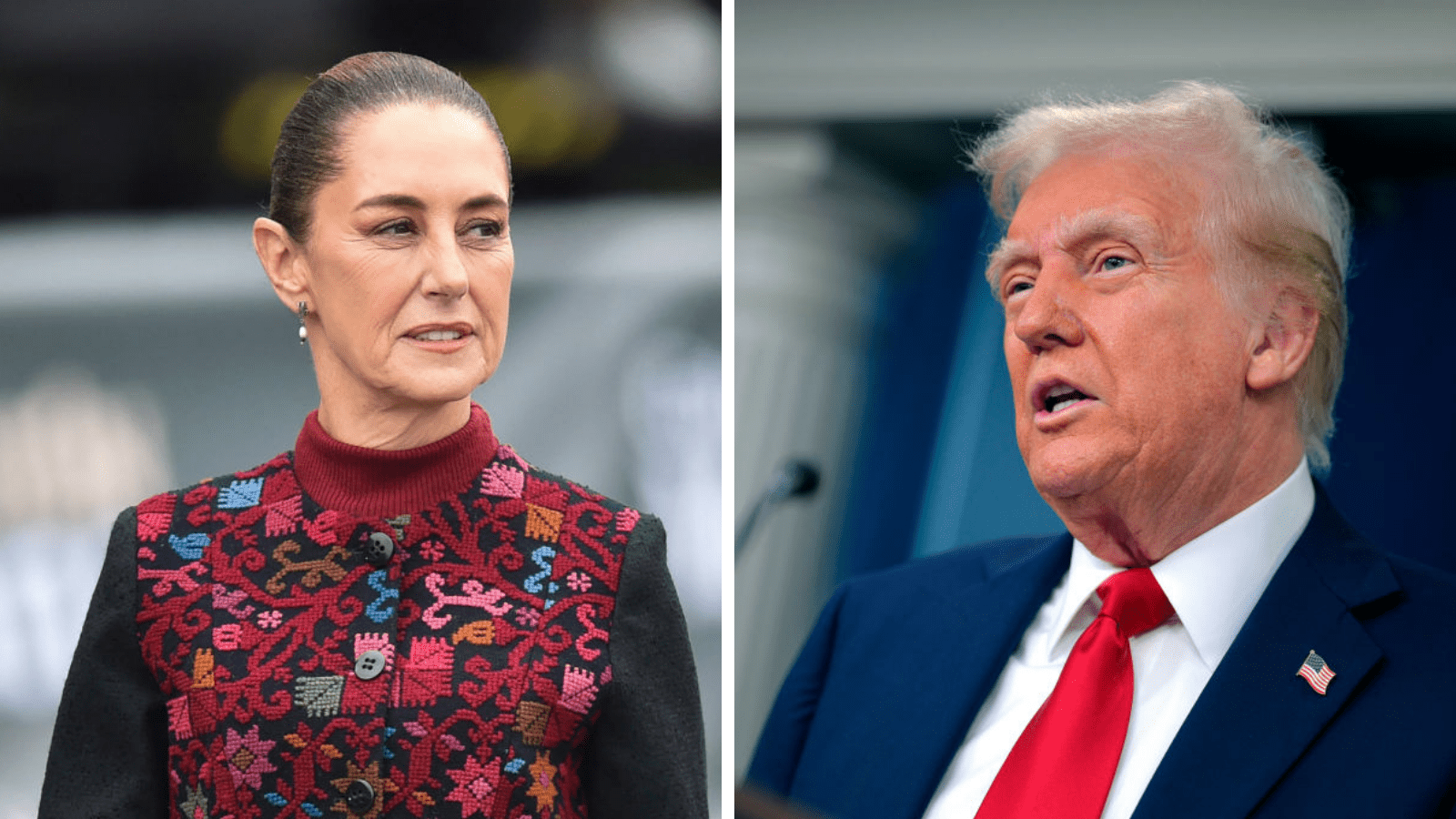
Is Mexico’s Compliance a Strategy to Sidestep Trump’s Tariffs?
As global trade dynamics continue to evolve, the relationship between the United States and Mexico remains a focal point, especially in light of the tariffs imposed by the Trump administration. This article delves into whether Mexico’s recent actions signify a compliant strategy aimed at sidestepping these tariffs. We’ll explore the implications of this relationship, the historical context, and what these developments mean for international trade.
The Historical Context of U.S.-Mexico Trade Relations
To fully understand Mexico’s current stance, we must first consider the historical context of U.S.-Mexico trade relations. The implementation of the North American Free Trade Agreement (NAFTA) in 1994 marked a significant shift, promoting trade liberalization between the two nations. NAFTA resulted in an increase in cross-border trade, benefiting both economies and solidifying Mexico’s role as a key player in the North American supply chain.
However, the 2016 presidential election brought a dramatic shift as Donald Trump campaigned on a platform of protectionism. He criticized NAFTA, labeling it a job killer for American workers. In 2018, Trump renegotiated the agreement, resulting in the United States-Mexico-Canada Agreement (USMCA), which aimed to address some of the concerns raised during his campaign.
Understanding Trump’s Tariffs
Trump’s administration implemented various tariffs on goods imported from Mexico, primarily targeting industries such as steel and aluminum. The stated rationale was to protect American industries from what was perceived as unfair competition. These tariffs had a ripple effect, influencing not only the Mexican economy but also global trade dynamics.
As these tariffs took effect, Mexico found itself at a crossroads. The need to maintain a robust trade relationship with the U.S. while also addressing domestic economic concerns became paramount. This led to speculations about whether Mexico’s compliance with U.S. demands was a tactical move to mitigate the impact of these tariffs.
Mexico’s Compliance: A Strategic Move?
Recently, Mexico has taken several steps that indicate a willingness to align more closely with U.S. interests. These actions have raised questions about whether they represent genuine cooperation or a strategic maneuver to avoid tariffs. Some notable instances include:
- Enhanced Border Security: Mexico has increased its efforts to curb illegal immigration, responding to U.S. demands to address the flow of migrants crossing the border.
- Trade Adjustments: Mexico has adjusted its tariffs and trade policies to align more closely with U.S. regulations, particularly concerning agricultural products.
- Labor Reforms: The Mexican government has introduced labor reforms aimed at improving workers’ rights, a key concern for U.S. lawmakers.
Many experts argue that these moves are indicative of a strategic compliance aimed at sidestepping Trump’s tariffs. By demonstrating a willingness to collaborate with the U.S., Mexico hopes to foster goodwill and ultimately reduce the economic burden of tariffs on its industries.
Implications for International Trade Dynamics
The implications of Mexico’s compliance with U.S. demands extend beyond bilateral relations. They also have significant repercussions for international trade dynamics. Here are some key aspects to consider:
1. Shifting Supply Chains
As companies reassess their supply chains in light of tariffs, Mexico’s compliance could make it a more attractive destination for manufacturing and assembly operations. Businesses seeking to avoid tariffs may find it beneficial to relocate operations to Mexico, where compliance with U.S. regulations can mitigate trade barriers. This could lead to:
- Increased foreign direct investment in Mexico.
- Strengthened manufacturing sectors in both countries.
2. Influence on Global Trade Agreements
Mexico’s actions may also influence other nations’ approaches to trade agreements with the U.S. Countries observing Mexico’s strategy might adopt similar compliance stances to secure favorable trade terms, leading to a potential shift in how countries engage with the U.S. on trade policy.
3. Economic Stability in Mexico
By aligning its policies with U.S. interests, Mexico aims to ensure economic stability amid external pressures. A more stable Mexican economy could lead to:
- Improved job prospects for Mexican workers.
- Strengthened domestic industries that can thrive in a more favorable trade environment.
Challenges and Criticisms of Compliance
While Mexico’s compliance may be seen as a strategic move, it is not without its challenges and criticisms. Some argue that:
- Loss of Sovereignty: Critics assert that excessive compliance undermines Mexico’s sovereignty, forcing it to prioritize U.S. interests over its own.
- Domestic Discontent: There may be discontent among Mexican citizens who feel that their government is compromising too much in negotiations, particularly concerning labor rights and immigration.
Conclusion: A Delicate Balancing Act
In conclusion, Mexico’s compliance with U.S. demands amidst Trump’s tariffs appears to be a calculated strategy to sidestep potential economic fallout. As Mexico navigates this delicate balancing act, it aims to sustain its economic stability while maintaining a beneficial trade relationship with the United States. The implications of this strategy extend beyond the bilateral relationship, potentially reshaping international trade dynamics and influencing how countries engage with the U.S. in the future.
As experts continue to analyze the evolving landscape, it remains clear that the relationship between Mexico and the U.S. will be crucial in determining the future of trade in North America and beyond. The path forward will require careful consideration of both nations’ interests, as well as a commitment to cooperation and mutual benefit.
See more CCTV News Daily