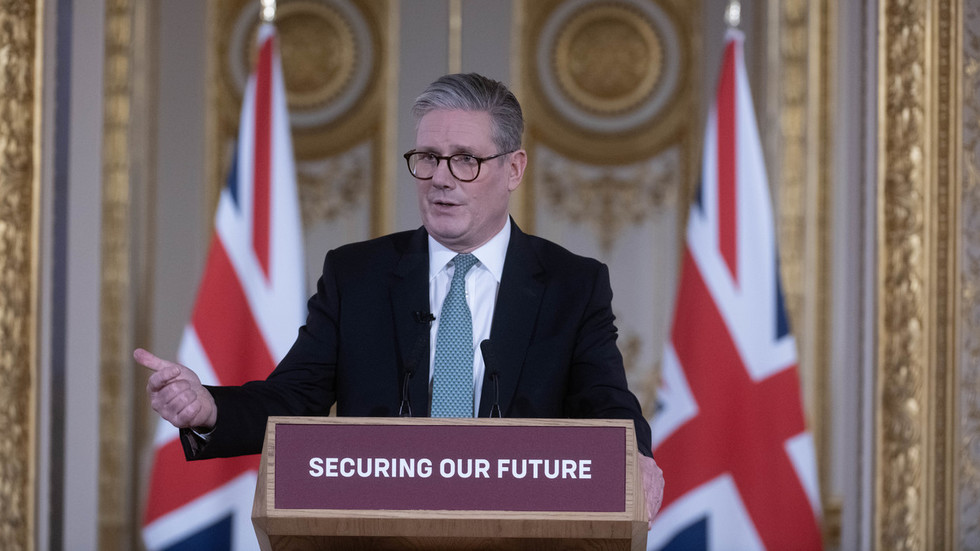
How Increased Military Spending Could Enrich the UK: Exploring Starmer’s Vision
In a bold and somewhat controversial statement, Labour leader Keir Starmer has suggested that increasing military spending could significantly enrich the United Kingdom. This assertion opens the door to a complex discussion about the economic implications of defense spending, particularly in an era marked by global uncertainties and geopolitical tensions. While the notion may seem counterintuitive to some, a closer examination reveals nuanced perspectives on how such an investment could lead to broader economic benefits for the British populace.
The Context of Military Spending in the UK
As of 2023, the UK finds itself navigating a landscape fraught with challenges, from the ongoing effects of the COVID-19 pandemic to the geopolitical tensions arising from conflicts in Eastern Europe and the Pacific. With the government committed to bolstering national security, discussions around military expenditure have gained prominence. Currently, the UK allocates around 2.2% of its GDP to defense, which translates to approximately £48 billion annually. The question arises: can increasing this budget translate into tangible benefits for the economy?
Starmer’s Economic Argument
Starmer’s assertion rests on the belief that increased military spending could stimulate various sectors of the economy. Here are some key points supporting this perspective:
- Job Creation: Increased military budgets typically lead to the creation of jobs, both directly within the armed forces and indirectly through the defense supply chain. This could bolster employment rates and reduce unemployment, particularly in regions where defense industries are concentrated.
- Technological Advancements: The defense sector is known for driving innovation. Investments in military technology often have spillover effects, leading to advancements in civilian sectors, including healthcare, transportation, and energy. For instance, technologies developed for military applications have found their way into everyday consumer products.
- Strengthening Local Economies: Defense spending often involves contracts awarded to local businesses, from manufacturing to services. This can revitalize local economies, particularly in areas that may be economically disadvantaged.
The Multiplier Effect of Defense Spending
The concept of the economic multiplier effect is crucial to understanding how increased military spending can enrich the UK. When the government invests in defense, the money does not just disappear; it circulates through the economy. Here’s how:
- Increased Demand: When defense contracts are awarded, companies hire more workers and purchase materials, leading to increased demand in various sectors.
- Higher Wages: With increased job opportunities in high-skilled defense roles, there could be upward pressure on wages, benefiting workers and their families.
- Increased Tax Revenue: As businesses grow and wages rise, the government collects more tax revenue, which can be reinvested into public services, further enriching society.
Global Context and Competitiveness
In the context of rising global tensions, particularly with the resurgence of state-based military threats, many nations are increasing their defense budgets. Starmer’s proposal for the UK to follow suit is not merely about national security; it’s about maintaining competitive advantage on the world stage. A well-funded military ensures that the UK can engage in strategic partnerships, participate in global coalitions, and respond effectively to threats. This security can, in turn, foster an environment conducive to economic growth.
Potential Risks and Criticisms
While Starmer’s claim presents a compelling case for increased military spending, it is not without its critics. Here are some potential risks and counterarguments:
- Opportunity Cost: Critics argue that funds allocated to the military could be better spent on education, healthcare, or infrastructure, which might offer more immediate benefits to society.
- Public Sentiment: There is a segment of the population that is wary of increased militarization and may view such spending as a misallocation of resources, particularly in light of pressing domestic issues like poverty and climate change.
- Long-term Sustainability: Increased military spending may not be sustainable in the long term without corresponding increases in productivity and economic growth. If the economy does not grow alongside military expenditures, it could lead to fiscal deficits.
International Examples of Defense Spending and Economic Growth
Looking at global precedents can provide further insights into the potential of increased military spending. Countries like the United States and Israel have seen significant economic benefits from their defense investments. For instance:
- United States: The U.S. military-industrial complex has historically driven technological innovation and job creation, contributing to the nation’s status as a global economic leader.
- Israel: Israel’s defense sector is renowned for its innovation, particularly in cybersecurity and technology, which have propelled the country into the forefront of global tech markets.
The Path Forward for the UK
As the UK contemplates its future in a volatile world, Starmer’s claim encourages a dialogue about the role of military spending in economic enrichment. For the UK to realize the potential benefits of increased defense expenditure, it must consider strategic planning that aligns military investments with broader economic goals. This includes:
- Investing in Dual-Use Technology: Focusing on technologies that have both military and civilian applications can ensure that advancements benefit the economy as a whole.
- Encouraging Public-Private Partnerships: Collaborations between the government and private sector can enhance efficiency and innovation in defense spending.
- Transparent Budgeting: Ensuring transparency in defense budgets can help build public trust and demonstrate that spending is aimed at enriching society.
Conclusion
Increased military spending could indeed enrich the UK, provided it is approached thoughtfully and strategically. Keir Starmer’s bold claim invites a necessary examination of how defense investments can translate into economic prosperity amidst global uncertainties. As the UK grapples with its role on the world stage, the interplay between security and economic vitality becomes increasingly critical, presenting both opportunities and challenges for policymakers and citizens alike.
See more CCTV News Daily