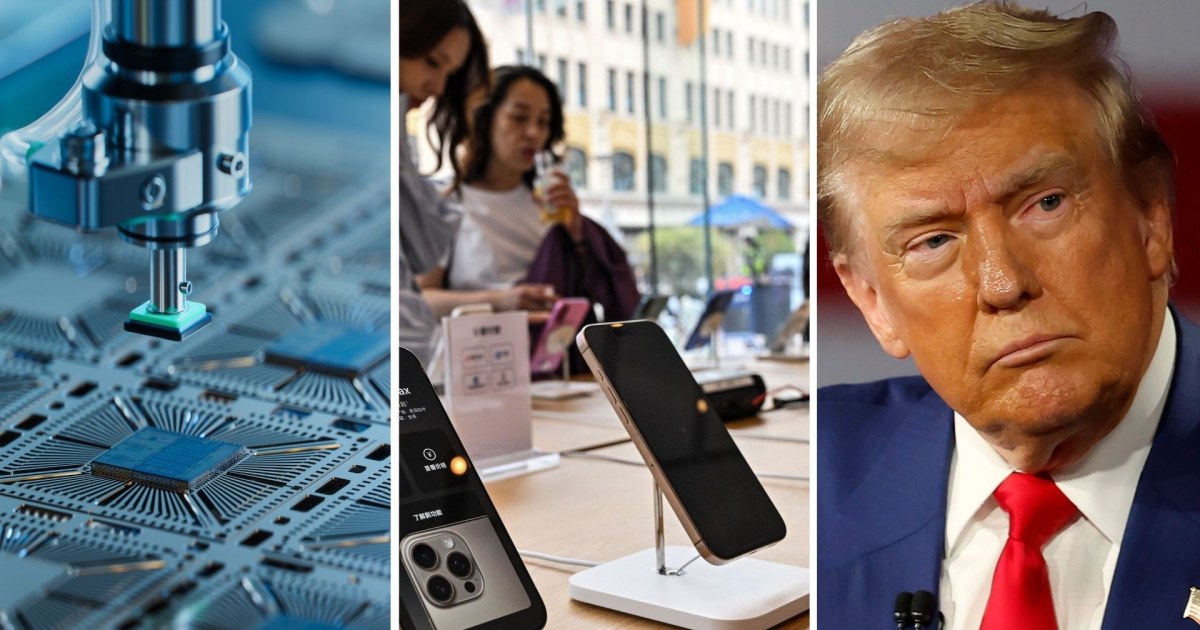
The Biden administration faces growing scrutiny over conflicting messages regarding U.S. tariff policies, creating uncertainty for businesses and international trade partners. Over the past six months, White House officials have alternated between advocating for protectionist measures and promising tariff relief, leaving industries scrambling to interpret the administration’s true stance on trade regulations.
The Contradictions at Play
In May 2024, President Biden announced sweeping tariffs targeting Chinese electric vehicles, semiconductors, and solar panels—some exceeding 100%—citing national security concerns. Yet just weeks later, Treasury Secretary Janet Yellen suggested possible reductions on certain consumer goods tariffs to ease inflation pressures. This policy whiplash has left economists and trade experts questioning the administration’s strategic direction.
“The mixed signals reveal an administration torn between competing priorities,” explains Dr. Miriam Castillo, senior fellow at the Peterson Institute for International Economics. “On one hand, they want to protect domestic industries and counter China’s economic influence. On the other, they’re feeling pressure to reduce costs for American consumers facing persistent inflation.”
Recent data highlights the economic tightrope:
- U.S. imports from China fell 24% year-over-year in Q2 2024
- Consumer prices for tariff-affected goods rose 8.3% since January
- 65% of manufacturers report supply chain disruptions due to policy uncertainty
Businesses Caught in the Crossfire
The automotive sector exemplifies the confusion. While EV manufacturers celebrated new protections against Chinese competition, parts suppliers faced unexpected tariffs on essential components. Detroit-based AutoFlex Systems saw production costs spike 18% overnight when steel tariffs took effect unexpectedly in June.
“We support fair trade, but we need predictability,” says CEO Raj Patel, whose company employs 1,200 Michigan workers. “When policies change weekly, we can’t make strategic investments or negotiate long-term contracts with suppliers.”
Small businesses feel the pinch most acutely. The National Retail Federation reports that 43% of small importers have delayed orders due to tariff uncertainty, compared to just 12% of large corporations with dedicated trade compliance teams.
The Political Calculus Behind the Confusion
Analysts suggest the administration’s wavering reflects deeper political tensions. With an election looming, Biden must balance competing demands from:
- Labor unions pushing for protectionist policies
- Free trade advocates warning of economic fallout
- Swing-state voters concerned about prices
“This isn’t just about economics—it’s electoral math,” notes political strategist Lauren Whitmer. “The administration is trying to appeal to blue-collar workers in the Rust Belt while not alienating suburban consumers worried about their grocery bills.”
The approach carries risks. Recent polling shows 58% of Americans believe the administration lacks a clear trade strategy, including 41% of Democrats—a concerning number for campaign officials.
Global Reactions and Retaliatory Measures
International partners aren’t waiting for clarity. The European Union recently expanded its own tariffs on U.S. agricultural exports, while China imposed restrictions on rare earth mineral shipments—a direct blow to tech manufacturers.
Trade attorney David Chen warns: “When America sends mixed signals, other nations exploit the ambiguity. Our trading partners are implementing measures that could take years to unwind, regardless of future U.S. policy shifts.”
What Comes Next in the Tariff Debate?
Observers expect the administration to clarify its position after the August recess, possibly through a comprehensive trade policy framework. Key areas to watch include:
- Potential carve-outs for essential medical supplies
- Revised tariff exclusion processes
- New bilateral agreements to replace broad tariffs
For businesses navigating this uncertainty, experts recommend:
- Diversifying supply chains beyond China
- Applying for tariff exclusions proactively
- Building larger cost contingencies into contracts
As the global trade landscape grows increasingly complex, stakeholders across industries will need to stay informed about policy developments. Subscribe to our trade policy newsletter for real-time updates on tariff changes and expert analysis of their market impacts.
See more CCTV News Daily