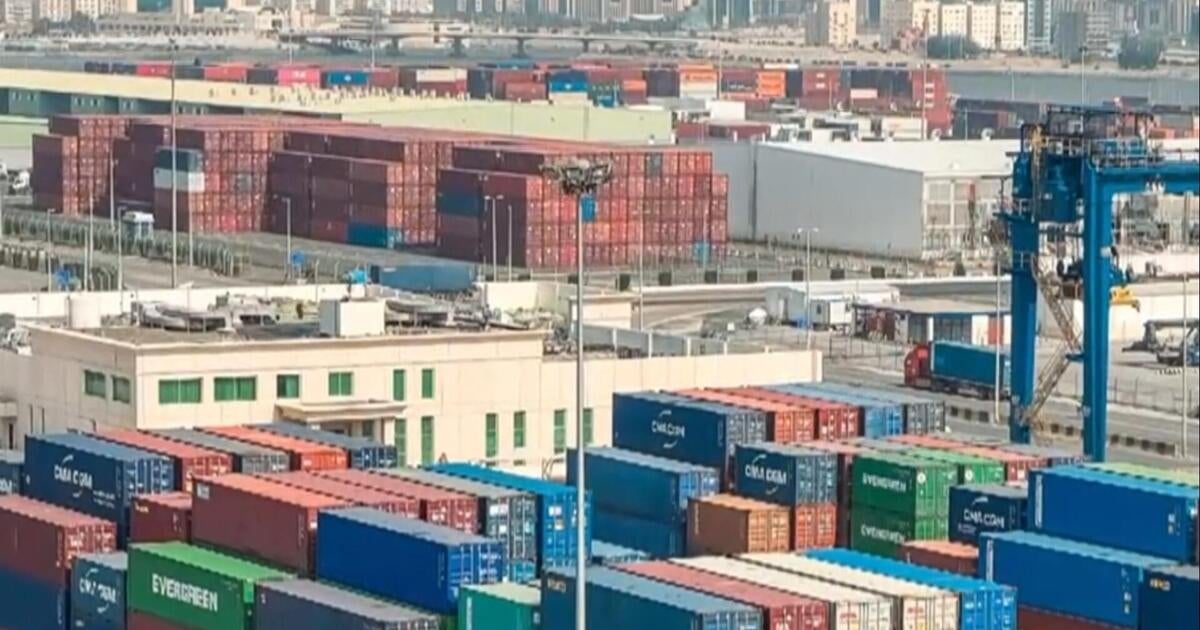
In today’s global economy, few factors can shift the landscape of trade and commerce as dramatically as tariff changes. As tariffs continue to fluctuate, border businesses are facing unprecedented challenges. CEOs and business leaders are revealing the chaos and uncertainty that these changes bring to their operations and the wider economy. The volatility of tariffs not only affects cost structures but also influences supply chain dynamics, pricing strategies, and ultimately, consumer behavior.
The Impact of Tariff Changes on Border Businesses
Border businesses, which thrive on the import and export of goods, are often caught in the crossfire of changing trade policies. Tariffs, which are taxes imposed on imported and exported goods, can significantly alter the cost of doing business. When tariffs are raised, the cost of importing goods increases, which can lead to higher prices for consumers. Conversely, if tariffs are lowered, it can make foreign products more competitive, squeezing local businesses. This creates a precarious balancing act for companies reliant on cross-border trade.
Challenges Faced by CEOs and Business Leaders
CEOs of border businesses are finding themselves in a whirlwind of uncertainty. Many have shared their experiences regarding how tariff changes have disrupted their operations:
- Increased Costs: Many businesses have reported that rising tariffs have led to increased costs of raw materials. This forces them to either absorb the costs or pass them on to consumers, which can be detrimental in competitive markets.
- Supply Chain Disruptions: Tariff changes can disrupt established supply chains. Companies that rely on specific suppliers may find that increased tariffs make those relationships untenable, forcing them to seek alternative suppliers, often with less favorable terms.
- Market Volatility: Constant changes in tariffs create a climate of uncertainty, making it difficult for businesses to plan for the future. CEOs have mentioned the challenges of forecasting demand and pricing strategies when they are uncertain about future costs.
Economic Ripple Effects of Tariff Changes
The effects of tariff changes extend far beyond individual businesses. They create ripple effects throughout the economy. For example, when a business raises its prices due to increased tariffs, consumers may reduce their spending. This can lead to decreased sales not only for that business but also for others in the supply chain.
Consumer Behavior and Tariff Changes
As tariffs fluctuate, consumer behavior can shift dramatically. Here are some ways that businesses are seeing changes:
- Price Sensitivity: Consumers become more price-sensitive as they notice changes in product prices due to tariffs. This can lead them to seek alternatives or delay purchases, which can hurt sales.
- Shifts in Preferences: With increased prices on certain imported goods, consumers may turn to domestic products or lower-cost alternatives. This shift can benefit local manufacturers but can be devastating for businesses reliant on imports.
Strategic Responses to Tariff Changes
In light of these challenges, businesses are adopting various strategic responses to mitigate the impact of tariff changes. Here are some of the methods being employed:
Diversification of Supply Chains
Many businesses are looking to diversify their supply chains to reduce dependency on any single country or supplier. By sourcing materials and products from various regions, they can effectively hedge against the risks associated with tariff changes. This strategy not only provides flexibility but also enhances resilience against future fluctuations.
Investment in Technology
Investing in technology can streamline operations and reduce costs. Automation, artificial intelligence, and data analytics can help businesses optimize their supply chains, forecast demand more accurately, and manage inventory more efficiently. This technological edge can be crucial in navigating the complexities introduced by tariff changes.
Engaging in Advocacy and Policy Discussion
Business leaders are increasingly recognizing the importance of engaging in advocacy related to trade policies. By collaborating with industry associations and lobbying for fair trade practices, they can influence tariff structures and ensure that their voices are heard during policy discussions.
Looking Ahead: The Future of Border Businesses
As tariffs continue to shift, the future of border businesses remains uncertain. However, there are opportunities for growth and adaptation. Companies that are agile and willing to pivot in response to changing conditions will likely find new avenues for success.
Embracing Sustainability
Another emerging trend is the push toward sustainability. As consumers become more environmentally conscious, businesses that prioritize sustainable practices may find a competitive advantage. This can include sourcing materials locally or adopting eco-friendly production methods, which can also help mitigate some of the cost impacts of tariffs.
Building Stronger Local Economies
In response to the challenges posed by tariffs, some businesses are focusing on strengthening local economies. By investing in community relationships and local supply chains, businesses can create more resilient operations that are less vulnerable to external shocks. This not only benefits the businesses themselves but also contributes to overall economic stability.
Navigating the storm of tariff changes is no easy feat for border businesses. The challenges are significant, but they also present opportunities for innovation, resilience, and growth. CEOs and business leaders who remain proactive and adaptive will be better positioned to weather the fluctuations of the global trade landscape. By embracing new strategies, investing in technology, and advocating for fair policies, businesses can turn the chaos of tariff changes into a catalyst for future success.
As we move forward, it’s clear that understanding the implications of tariffs and staying ahead of the curve will be essential for businesses striving to thrive in an ever-evolving economic environment. The storm may be daunting, but with the right strategies, border businesses can not only survive but thrive in the face of uncertainty.
See more CCTV News Daily