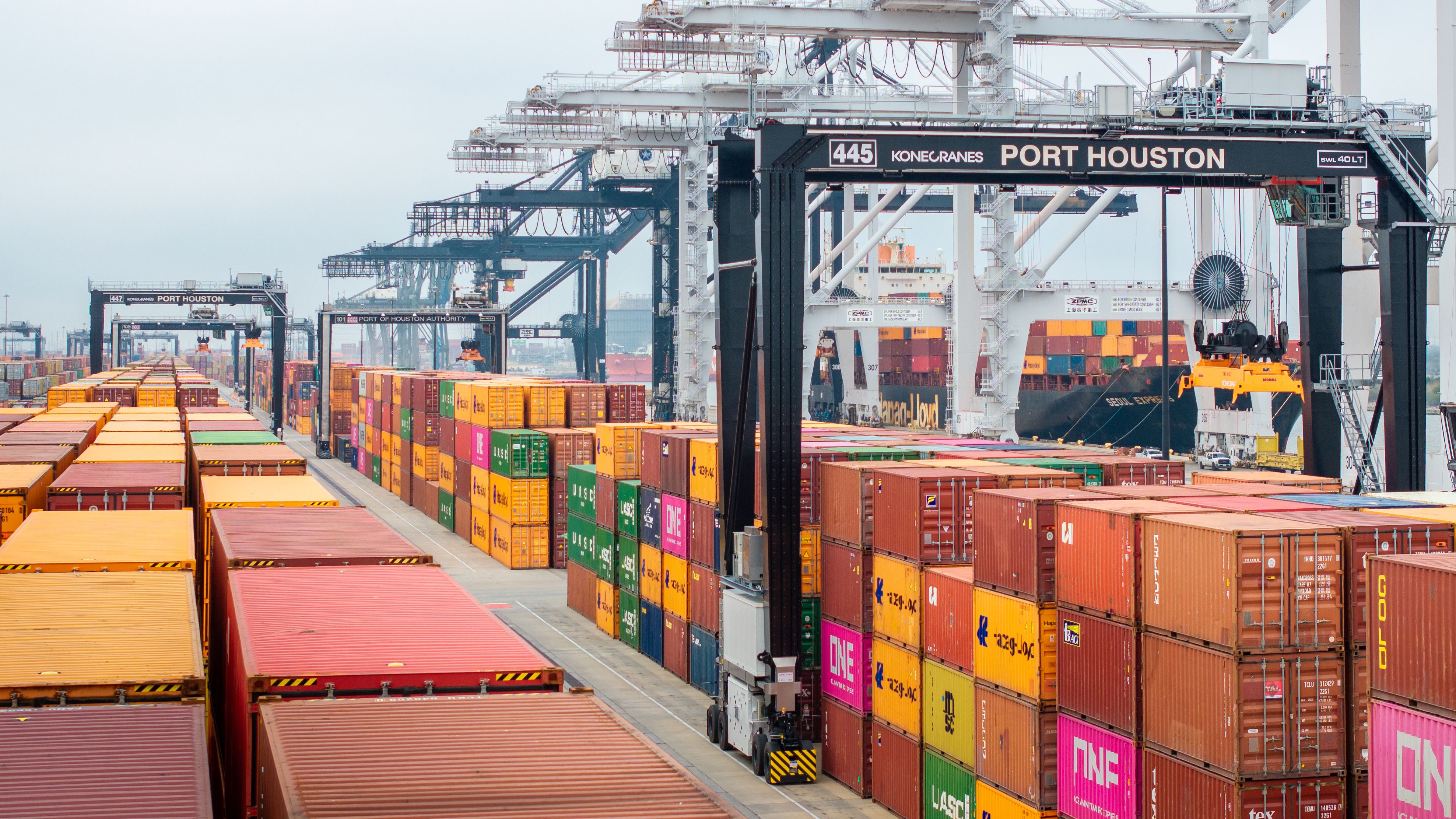
As trade tensions escalate between the United States and Mexico, particularly with the imposition of new tariffs by former President Trump, Mexico finds itself at a pivotal moment. The United States-Mexico-Canada Agreement (USMCA) provides a framework for trade relations, but the ongoing challenges necessitate strategic responses from Mexico. This article delves into potential strategies that Mexico could employ to effectively address these trade challenges while adhering to the guidelines of the USMCA.
Understanding the Landscape of Trade Tensions
Trade tensions have become a defining feature of international relations, particularly during Trump’s presidency. The introduction of tariffs has often been justified as a means to protect domestic industries, but it can have significant implications for neighboring countries like Mexico. With a substantial amount of trade between the two nations—over $600 billion annually—tariffs can disrupt supply chains, increase costs for consumers, and create a ripple effect throughout the economy.
Under the USMCA, which replaced the North American Free Trade Agreement (NAFTA), both countries committed to more balanced trade practices. However, the current environment requires Mexico to navigate these tensions carefully, balancing its economic interests with the political realities imposed by U.S. policies.
Potential Strategies for Mexico
In light of the challenges posed by tariffs, Mexico has several strategic options it can explore:
1. Strengthening Domestic Industries
One of the most effective ways for Mexico to counteract the negative impacts of U.S. tariffs is by bolstering its domestic industries. This approach can take several forms:
- Investment in Technology: Mexico can encourage innovation by investing in technology and research. This would increase the competitiveness of its industries, making them less reliant on U.S. markets.
- Support for Small and Medium Enterprises (SMEs): By providing financial and technical support to SMEs, Mexico can diversify its economy and create jobs, reducing dependence on exports to the U.S.
- Enhancing Quality Standards: Improving the quality of Mexican goods can help them compete in global markets, reducing vulnerability to tariffs.
2. Diversifying Trade Partners
Mexico has a unique opportunity to reduce its reliance on the U.S. market by seeking new trade partnerships:
- Expanding Trade Agreements: Mexico can pursue trade agreements with other countries to create new markets for its goods. This could include strengthening ties with the European Union, Asia, and Latin America.
- Participating in Multilateral Trade Organizations: Engaging with organizations like the World Trade Organization (WTO) can provide Mexico with additional avenues to negotiate trade terms and resolve disputes.
3. Leveraging USMCA Provisions
The USMCA includes various provisions that Mexico can leverage to its advantage:
- Labor Provisions: Mexico can enhance labor standards, which may alleviate some U.S. concerns about competition and foster a more collaborative trade environment.
- Environmental Standards: By adhering to strict environmental regulations, Mexico can position itself as a responsible trading partner and potentially mitigate tariff pressures.
4. Engaging in Diplomatic Efforts
Maintaining open lines of communication with U.S. officials is crucial. Mexico can engage in diplomatic efforts to address trade tensions proactively. This can include:
- Trade Dialogues: Regular discussions with U.S. trade representatives can help clarify concerns and foster mutual understanding.
- Joint Initiatives: Collaborating on initiatives that benefit both countries, such as infrastructure projects, can strengthen ties and reduce tensions.
Potential Impacts of Trade Tensions on Mexico
The implications of ongoing trade tensions are significant. If left unaddressed, tariffs could lead to:
- Economic Slowdown: Increased costs for Mexican exporters could slow economic growth. This is especially true for industries heavily reliant on U.S. markets, such as automotive and agriculture.
- Job Losses: A decline in exports could result in job losses, particularly in manufacturing sectors. This adds to economic uncertainty and social challenges.
- Increased Inflation: Tariffs often lead to higher prices for consumers, as businesses may pass on increased costs. This can erode purchasing power and hurt the overall economy.
Conclusion: A Path Forward
As Mexico navigates the complexities of trade tensions exacerbated by Trump’s tariffs, it stands at a critical juncture. Strategic responses that focus on strengthening domestic industries, diversifying trade partners, leveraging USMCA provisions, and engaging in diplomatic efforts can provide pathways to resilience and growth.
In a world where trade dynamics are constantly evolving, Mexico’s proactive approach could not only mitigate the impacts of tariffs but also pave the way for a more robust and diversified economy. By embracing innovation, enhancing competitiveness, and fostering international relationships, Mexico can emerge stronger from these challenges, ensuring that it remains a vital player in the global trade arena.
Ultimately, while the road ahead may be fraught with challenges, Mexico’s strategic responses to trade tensions present an opportunity for growth and development that could redefine its economic landscape in the coming years.
See more CCTV News Daily