Introduction
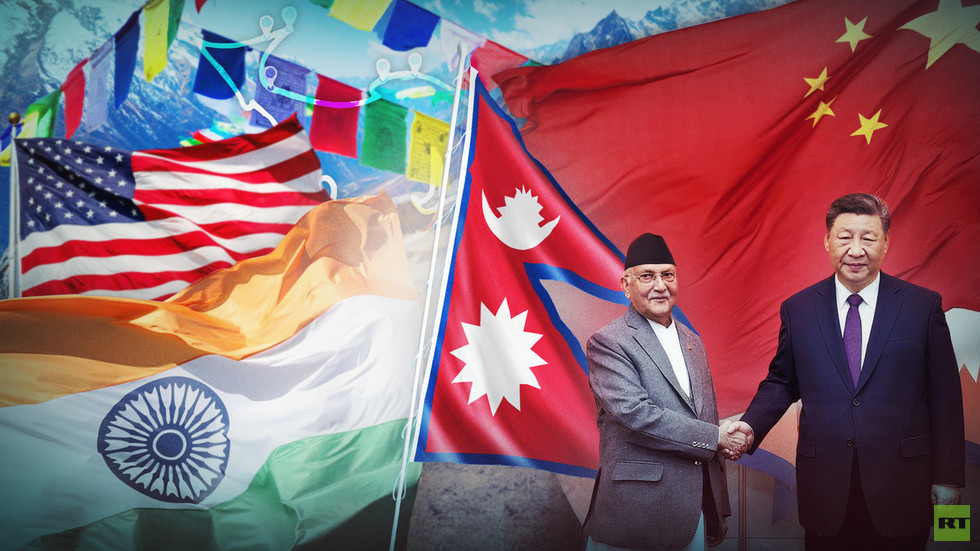
Nepal stands as a unique geopolitical entity nestled between two of Asia’s largest economies: China and India. As the nation navigates a complex landscape of economic, cultural, and political influences, it must balance its relationships with these two neighbors to secure its own interests. This article delves into the strategic maneuvers employed by Nepal in forging economic ties with China and India, examining the broader implications for its future amidst the backdrop of regional tensions.
The Geopolitical Landscape
Geographically, Nepal occupies a critical position, serving as a bridge between India and China. The country shares a long border with both nations, which has historically made it a focal point for trade, cultural exchange, and diplomacy. However, this advantageous location comes with challenges as both India and China vie for influence in the region.
Historically, Nepal’s relationship with India has been characterized by deep-rooted cultural ties, shared history, and economic interdependence. In contrast, its relationship with China has evolved more recently, particularly in the wake of China’s Belt and Road Initiative (BRI), which aims to enhance connectivity and trade across Asia.
Nepal’s Economic Strategy
Nepal’s economic strategy involves a careful balancing act between its two powerful neighbors. This strategy can be articulated through several key areas:
1. Trade Relations
Nepal has consistently sought to enhance its trade relations with both India and China. As of 2023, India remains Nepal’s largest trading partner, accounting for a significant portion of its imports and exports. However, Nepal is increasingly looking towards China to diversify its trade and reduce its dependence on India.
- Import-Export Dynamics: In recent years, Nepal has seen a growing import of Chinese goods, ranging from machinery to consumer products, while exporting primarily agricultural products and textiles to India.
- Free Trade Agreement (FTA): Discussions around a potential FTA with China have gained momentum, reflecting Nepal’s intent to formalize and expand its trade relationship with its northern neighbor.
2. Investment and Infrastructure Development
China’s Belt and Road Initiative presents an array of opportunities for Nepal, particularly in infrastructure development. Several projects, including roads, railways, and hydropower, have been initiated with Chinese investment. However, this involvement raises questions about debt sustainability and the long-term economic impact on Nepal.
- Hydropower Projects: Nepal, endowed with abundant water resources, is focusing on hydropower development to export electricity to both India and China, thereby enhancing its energy security and economic viability.
- Infrastructure Investment: Chinese investment in infrastructure is not only vital for economic growth but also reflects a strategic partnership that could alter Nepal’s economic landscape.
3. Political Maneuvering
Political considerations play a crucial role in Nepal’s economic policies. The nation has to navigate the political sensitivities of both India and China, often seeking to maintain a neutral stance to avoid alienating either side.
- Non-Alignment: Nepal’s foreign policy is rooted in non-alignment, aiming to maintain sovereignty and independence while engaging with both powers.
- Diplomatic Relations: Regular high-level dialogues and diplomatic missions have been established with both countries, allowing Nepal to articulate its national interests effectively.
Challenges and Tensions
Despite the strategic maneuvers, Nepal faces several challenges in its economic journey:
1. Dependency Risks
Nepal’s increasing dependence on foreign investment, particularly from China, raises concerns about sovereignty and economic autonomy. The risk of falling into a debt trap is a point of contention among policymakers and economists.
2. Geopolitical Tensions
The ongoing geopolitical rivalry between India and China complicates Nepal’s position. Any significant shift in alignment could provoke tensions, making Nepal vulnerable to external pressures.
3. Internal Political Stability
Domestic political instability in Nepal can hamper the effective implementation of economic policies. Frequent changes in government and policy direction create an unpredictable environment for foreign investors.
Future Implications
The future of Nepal’s economic strategy hinges on its ability to navigate these complex relationships while fostering sustainable growth. Several implications arise:
1. Economic Diversification
Nepal must continue to diversify its economy to mitigate risks associated with over-dependence on any single country. This includes investing in sectors such as tourism, agriculture, and information technology.
2. Strengthening Regional Cooperation
Enhanced cooperation with regional organizations, such as the South Asian Association for Regional Cooperation (SAARC), could provide Nepal with additional avenues for economic collaboration and stability.
3. Embracing Sustainable Development
As Nepal engages with both China and India, it should prioritize sustainable development practices to ensure that economic growth does not come at the expense of environmental and social well-being.
Conclusion
Nepal’s strategic balance between China and India exemplifies the complexities of modern geopolitics. As it navigates its economic policies, the nation must remain vigilant in addressing the risks associated with dependency and geopolitical tensions. By fostering strong trade relations, investing in infrastructure, and engaging in thoughtful diplomacy, Nepal can carve out a path that not only secures its economic future but also enhances its sovereignty in a rapidly changing world. The next few years will be pivotal for Nepal as it seeks to solidify its position in the region while pursuing sustainable and inclusive growth.
See more CCTV News Daily