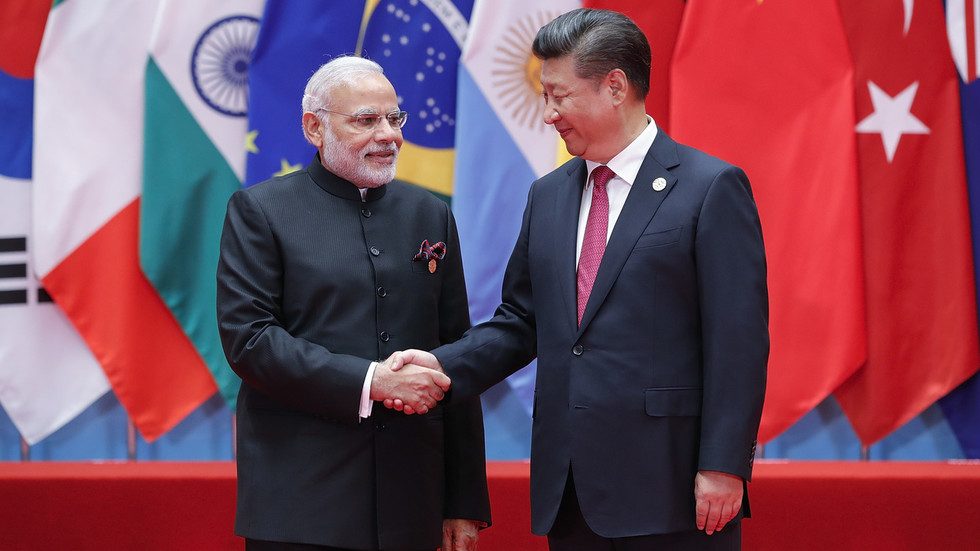
New Delhi’s Shift: Easing Trade Tensions with Beijing
In a surprising move, New Delhi is considering the reduction of trade restrictions imposed on Beijing, aiming to foster economic collaboration. This potential thaw in relations could reshape the landscape of Indo-China trade and reflects a strategic pivot that many analysts are keenly observing. As the world’s two most populous countries look to strengthen their economic ties, understanding the implications of this shift is crucial for stakeholders on both sides.
The Historical Context of Indo-China Trade Relations
To appreciate the significance of this shift in trade policy, it’s essential to consider the historical backdrop of Indo-China relations. For decades, these two nations have experienced a complex relationship characterized by both cooperation and tension. Trade between India and China has grown substantially since the early 2000s, driven largely by China’s rapid economic expansion and India’s emerging market status. However, recent geopolitical conflicts, including border skirmishes and rising nationalist sentiments, have led to an increasingly cautious approach to trade.
In recent years, both countries have imposed various tariffs and restrictions on each other’s goods as a response to these tensions. India’s concerns over trade imbalances and national security have often been cited as justifications for these measures. Yet, with the global economy facing uncertainties, many believe that re-engaging in trade could benefit both nations significantly.
Current Trade Landscape and Restrictions
As it stands, trade between India and China remains substantial, with China being one of India’s largest trading partners. In the fiscal year 2020-21, bilateral trade amounted to approximately $87 billion. However, India’s trade deficit with China has raised eyebrows, as imports from China significantly exceed exports. This imbalance has prompted New Delhi to impose restrictions on Chinese products, particularly in technology and infrastructure sectors.
- Imposition of tariffs on various Chinese goods.
- Ban on applications from Chinese tech companies.
- Increased scrutiny on investments from China.
These measures, while aimed at protecting domestic industries, have also led to calls for a more balanced approach that fosters cooperation rather than conflict. The current sentiment among Indian policymakers seems to reflect a desire to recalibrate this relationship – a shift that could potentially ease trade tensions with Beijing.
Reasons Behind New Delhi’s Shift
Several factors are informing New Delhi’s decision to reconsider its trade stance towards Beijing:
- Economic Recovery: Post-pandemic economic recovery is a pressing concern for India. Easing trade restrictions could stimulate growth and attract investments that have been stymied by previous policies.
- Global Supply Chains: As global supply chains become more interconnected, India may benefit from integrating more closely with Chinese manufacturing and technology sectors.
- Geopolitical Strategy: Strengthening economic ties with China could serve as a counterbalance to the influence of other regional powers, particularly the United States and its allies.
- Domestic Pressure: Indian industries that rely on imports from China, such as pharmaceuticals and electronics, have pressed the government for more favorable trade terms.
The Potential Benefits of Easing Trade Restrictions
Should New Delhi proceed with easing trade tensions with Beijing, several potential benefits could emerge:
- Increased Trade Volume: Reducing tariffs and restrictions could lead to a significant increase in trade volume, benefiting both economies.
- Investment Opportunities: A more favorable trade environment could attract Chinese investments in various sectors, fostering innovation and infrastructure development in India.
- Job Creation: Enhanced trade relations could lead to job creation in various industries, particularly those that depend on imports for production.
- Technological Advancement: Collaborating with Chinese firms could facilitate technological transfer and advancement in critical sectors such as telecommunications and renewable energy.
Challenges and Risks Ahead
Despite the potential advantages, New Delhi must tread carefully. Easing trade restrictions does not come without its challenges and risks:
- National Security Concerns: India’s apprehensions regarding national security, particularly in sectors like telecommunications, must be addressed to avoid backlash.
- Domestic Political Backlash: A section of the Indian populace remains skeptical of China, and any perceived capitulation could lead to political consequences for the ruling government.
- Trade Imbalance Persistence: Even with eased restrictions, the fundamental issue of trade imbalance may persist unless addressed through strategic export initiatives from India.
The Way Forward: A Balanced Approach
To navigate this complex landscape, New Delhi must adopt a balanced approach that prioritizes national interests while engaging constructively with Beijing. This could include:
- Strategic Dialogue: Establishing a framework for regular dialogue between the two nations to address trade issues, security concerns, and mutual interests.
- Sectoral Engagement: Focusing on sectors where both countries can benefit, such as renewable energy, pharmaceuticals, and technology, while maintaining a cautious stance in sensitive areas.
- Investment in Domestic Industries: Encouraging domestic industries to become more competitive, thereby reducing dependency on Chinese imports in critical sectors.
Conclusion: A New Chapter in Indo-China Relations
New Delhi’s consideration to ease trade restrictions with Beijing marks a pivotal moment in Indo-China relations. As both nations navigate the complexities of their historical ties and contemporary challenges, this shift has the potential to redefine trade dynamics in Asia. By fostering cooperation and understanding, New Delhi can not only bolster its economic recovery but also pave the way for a more stable and prosperous relationship with its northern neighbor. The road ahead may be fraught with challenges, but the prospects for a mutually beneficial partnership are worth the effort.
See more CCTV News Daily