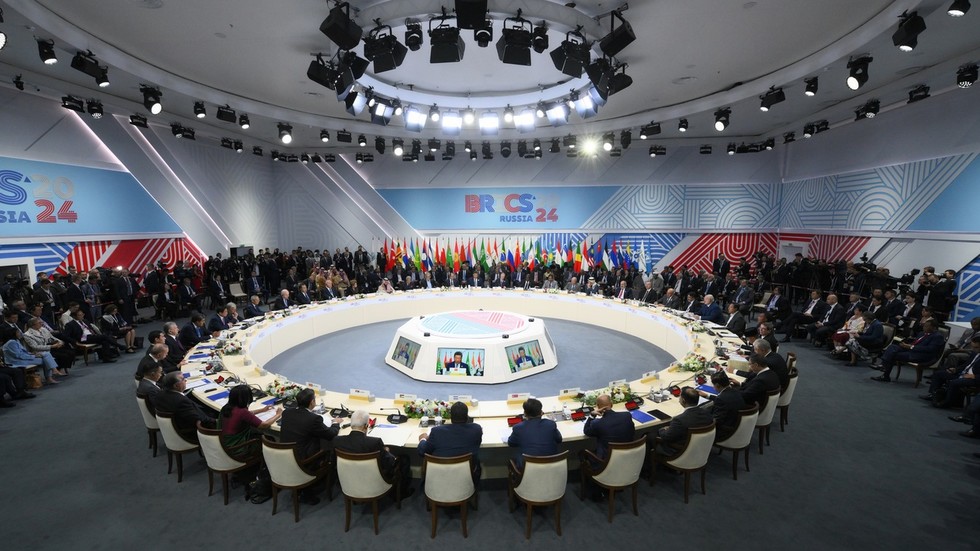
Nigeria Joins BRICS: A Transformative Step for Africa’s Economic Future
Nigeria’s recent admission into the BRICS alliance marks a significant shift in the global economic landscape. As Africa’s most populous nation, its partnership is poised to enhance regional influence and foster economic growth. This landmark decision not only highlights Nigeria’s burgeoning economic potential but also positions it as a pivotal player within the international arena, advocating for the interests of emerging economies.
Understanding BRICS and Its Implications for Nigeria
BRICS, an acronym for Brazil, Russia, India, China, and South Africa, is a coalition formed to promote peace, security, and development in a multipolar world. The inclusion of Nigeria into this group underscores a strategic pivot towards African nations and recognition of their economic significance. As the largest economy in Africa, Nigeria’s participation in BRICS is expected to bring a multitude of benefits.
Economic Growth and Development
Nigeria’s membership in BRICS is anticipated to catalyze economic growth on multiple fronts:
- Investment Opportunities: Nigeria stands to gain from increased foreign direct investment (FDI) from BRICS countries, particularly in sectors like agriculture, technology, and infrastructure. This influx of capital can stimulate job creation and enhance local industries.
- Trade Expansion: Being part of BRICS allows Nigeria to access new markets for its goods and services. The collaborative nature of these countries can lead to trade agreements that reduce tariffs and encourage cross-border commerce.
- Technological Exchange: With nations like China and India as members, Nigeria can benefit from technology transfers and innovations, particularly in manufacturing, renewable energy, and information technology.
Political Influence and Regional Leadership
Nigeria’s involvement in BRICS enhances its political clout both regionally and globally:
- Advocacy for African Interests: As a member, Nigeria can advocate more effectively for African development issues, including debt relief, climate change, and sustainable development.
- Strengthening Regional Alliances: Nigeria’s leadership in BRICS could inspire other African nations to engage in similar partnerships, fostering a sense of unity and collective bargaining power in international forums.
- Increased Diplomatic Engagement: Membership provides Nigeria with additional platforms to engage in diplomatic dialogues, enhancing its role in global governance.
While the prospects are promising, Nigeria must navigate several challenges to fully leverage its BRICS membership:
Economic Diversification
Nigeria has long been dependent on oil exports, which expose it to global price fluctuations. To maximize its BRICS membership, Nigeria needs to diversify its economy. This can be achieved by:
- Investing in Agriculture: With vast arable land, Nigeria has the potential to become a food basket for Africa.
- Enhancing Manufacturing: Strengthening the manufacturing sector can reduce reliance on imports and foster local job creation.
- Promoting Tourism: With rich cultural and natural resources, Nigeria can boost its economy through sustainable tourism initiatives.
Infrastructure Development
Improving infrastructure is critical for Nigeria to realize the benefits of BRICS membership:
- Transportation: Investments in roads, railways, and ports will facilitate trade and mobility.
- Energy: Reliable electricity supply is essential for industrial growth. Nigeria must invest in renewable energy sources to ensure sustainable development.
- Digital Infrastructure: Strengthening internet connectivity will support technological advancements and attract tech companies.
Global Economic Trends and Nigeria’s Position
The global economy is experiencing seismic shifts, with emerging markets gaining traction. Nigeria’s entry into BRICS aligns with this trend, making it a crucial player in the future economic landscape. Here are some ways Nigeria can position itself strategically:
Capitalizing on Global Partnerships
As global supply chains evolve, Nigeria can become a central hub for trade between Africa and other BRICS nations. This can be achieved by:
- Forming Strategic Alliances: Collaborating with BRICS nations on infrastructure projects can enhance trade routes.
- Participating in Joint Ventures: Engaging in joint ventures can facilitate technology transfer and skill development.
- Leveraging Trade Agreements: Utilizing bilateral and multilateral trade agreements to enhance market access for Nigerian products.
Investing in Human Capital
For Nigeria to compete effectively on the global stage, investment in education and skills development is paramount. This includes:
- Enhancing Educational Systems: Focusing on STEM (science, technology, engineering, and mathematics) education to prepare a workforce ready for the future.
- Vocational Training: Providing vocational training programs to equip the youth with practical skills needed in various industries.
- Encouraging Entrepreneurship: Promoting a culture of entrepreneurship can lead to innovation and job creation.
Conclusion: A New Dawn for Nigeria and Africa
Nigeria’s admission into the BRICS alliance heralds a new era for not only the country but for the entire African continent. By leveraging its resources, enhancing its political influence, and fostering economic growth, Nigeria can position itself as a beacon of hope and progress in Africa. As the world increasingly turns its attention towards emerging economies, Nigeria’s proactive engagement in BRICS can set a precedent for other African nations, paving the way for a more equitable and prosperous future.
In conclusion, while challenges remain, the opportunities that lie ahead for Nigeria within the BRICS framework are immense. With the right policies, investments, and collaborations, Nigeria can indeed become a driving force in Africa’s economic transformation and a key player in the global economy.
See more CCTV News Daily