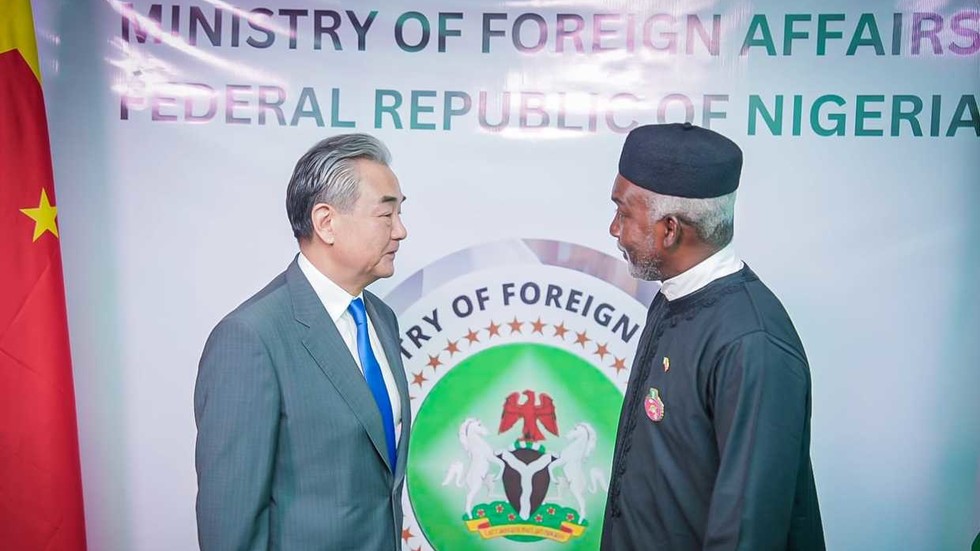
Nigeria and China: A Strategic Alliance Amid Economic Challenges
In recent years, Nigeria has found itself navigating a complex web of economic challenges, ranging from fluctuating oil prices to currency depreciation and rising unemployment. Amid these difficulties, a significant partnership has emerged: the growing alliance between Nigeria and China. This relationship, characterized by economic cooperation, investment, and infrastructure development, raises critical questions about its implications for both nations. This article delves into the motivations behind this strategic alliance and explores its potential impact on Nigeria’s future.
Understanding the Motivations Behind the Alliance
The partnership between Nigeria and China is driven by mutual interests that reflect the current economic landscape. For Nigeria, the need for foreign investment and infrastructure development is paramount. With an estimated population of over 200 million, Nigeria is Africa’s most populous nation and a key player in the continent’s economy. However, its economic growth has been hampered by a lack of adequate infrastructure, particularly in transportation, power supply, and healthcare.
On the other hand, China is keen to expand its influence in Africa, viewing the continent as a vital market for its goods and services. China’s Belt and Road Initiative (BRI) aims to enhance global trade routes, and Nigeria, with its strategic location and vast resources, is considered an essential partner in this endeavor. The alliance is, therefore, a win-win situation: Nigeria gains access to much-needed funding and expertise, while China secures a foothold in a growing market.
The Economic Landscape in Nigeria
Nigeria’s economy heavily relies on oil exports, which account for a significant portion of government revenue. However, fluctuations in oil prices have led to economic instability. The country has faced a series of challenges, including:
- High Unemployment Rates: With youth unemployment soaring above 30%, the need for job creation has become urgent.
- Inflation and Currency Depreciation: The naira has experienced significant depreciation, affecting purchasing power and overall economic stability.
- Inadequate Infrastructure: Poor transportation and power infrastructure have hindered business operations and economic growth.
These issues have prompted Nigeria to seek foreign partnerships, particularly with nations like China that are willing to invest in infrastructure and development projects.
China’s Investment Strategy in Nigeria
China’s approach to investment in Nigeria is multifaceted, focusing on infrastructure, energy, technology transfer, and trade. Here are some key areas where Chinese investment has made an impact:
Infrastructure Development
One of the most significant aspects of the Nigeria-China partnership is infrastructure development. China has invested heavily in various projects, including:
- Railways: The Lagos-Ibadan railway, completed with Chinese investment, has improved transportation efficiency.
- Power Projects: Numerous power plants have been constructed or are under development to address Nigeria’s electricity supply issues.
- Road Construction: Infrastructure projects aimed at enhancing road networks are key to boosting trade and reducing transportation costs.
These projects are crucial for stimulating economic growth and creating jobs, thereby addressing some of Nigeria’s pressing challenges.
Trade Relations
Trade between Nigeria and China has flourished in recent years. China has become Nigeria’s largest trading partner, with bilateral trade reaching impressive figures. Key exports from Nigeria to China include:
- Cocoa: Nigeria is one of the largest cocoa producers in Africa, and China has shown increasing interest in cocoa imports.
- Oil: China remains a significant buyer of Nigerian crude oil, providing a much-needed source of revenue for Nigeria.
- Agricultural Products: Various agricultural commodities are being exported to China, contributing to Nigeria’s diversification efforts.
This trade relationship not only enhances Nigeria’s export revenue but also provides Chinese companies with access to raw materials essential for their industries.
Challenges and Criticisms of the Alliance
Despite the apparent benefits of the Nigeria-China alliance, several challenges and criticisms have emerged:
Debt Dependency
One of the primary concerns regarding Nigeria’s partnership with China is the rising debt burden. As Nigeria borrows from Chinese banks to finance infrastructure projects, there are fears of falling into a debt trap. Critics argue that excessive borrowing could lead to long-term economic challenges, especially if projects do not yield the expected returns.
Quality of Investments
There have been criticisms regarding the quality of Chinese investments. Some infrastructure projects have been marred by delays and subpar construction standards. Ensuring that projects meet international standards is essential for their long-term sustainability.
Local Industry Impact
Another concern is the impact of Chinese imports on local industries. The influx of cheap Chinese goods has raised fears of stifling local manufacturing and agricultural sectors. Balancing trade to protect local industries while benefiting from Chinese products is a delicate challenge for Nigeria.
Looking to the Future
As Nigeria continues to grapple with its economic hurdles, the partnership with China represents both an opportunity and a challenge. The strategic alliance has the potential to drive economic growth through infrastructure development and increased trade. However, navigating the complexities of this relationship will require careful management to avoid pitfalls such as debt dependency and negative impacts on local industries.
In conclusion, Nigeria and China’s strategic alliance amid economic challenges could pave the way for a more prosperous future. By focusing on sustainable development, ensuring the quality of investments, and protecting local industries, Nigeria can leverage this partnership to foster economic stability and growth, turning challenges into opportunities.
As the world watches this dynamic relationship unfold, it becomes clear that the Nigeria-China alliance is more than just an economic partnership; it represents a critical step towards a resilient and diversified economy for Nigeria.
See more CCTV News Daily