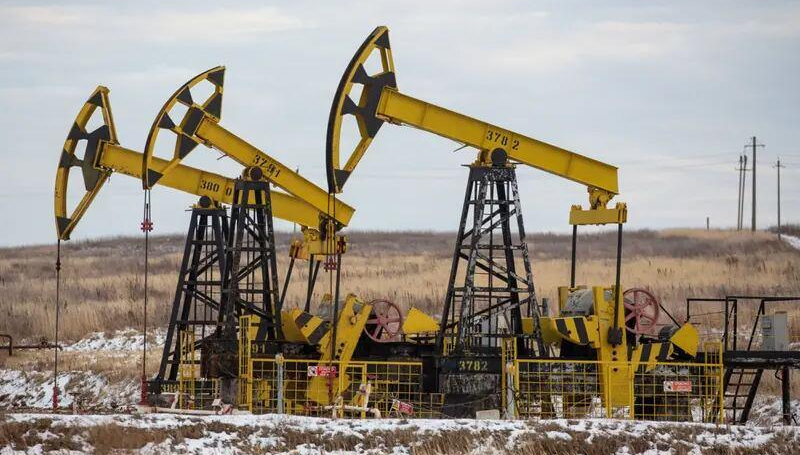
Oil markets are currently facing heightened volatility, as geopolitical tensions in the Middle East continue to rise. This has led to significant fluctuations in global oil prices, with analysts predicting a weekly loss as markets brace for potential disruptions to supply chains. As the situation unfolds, it is essential to explore the dynamics of the oil market, the role of geopolitical instability, and the broader economic implications of these developments.
Geopolitical Tensions and Their Impact on Oil Prices
Geopolitical tensions have long been a critical factor influencing oil prices, and the current unrest in the Middle East is no exception. The region, which holds a significant portion of the world’s oil reserves, has been a hotspot for conflicts that have historically disrupted global oil supply chains. With oil production and shipping routes concentrated in areas such as the Strait of Hormuz and the Persian Gulf, any escalation in political instability can have immediate consequences for the market.
Recently, as tensions between nations have escalated, particularly in countries like Iran, Iraq, and Saudi Arabia, fears have emerged regarding potential disruptions to oil production and transportation. In response, oil prices have seen significant fluctuations, with traders adjusting their positions in anticipation of further unrest.
The Fragility of Supply and Demand Dynamics
The oil market operates on a delicate balance between supply and demand. While supply disruptions due to geopolitical instability can push prices higher, the broader dynamics of global oil consumption also play a role in determining price trends. In recent months, oil prices have been influenced not only by geopolitical factors but also by shifts in demand driven by changes in global economic conditions.
For instance, during times of economic uncertainty or recessionary pressures, global demand for oil tends to decrease, which can put downward pressure on prices. Conversely, an economic recovery or increased demand from major consumers like China and the United States can cause prices to rise. This balancing act becomes even more complex when geopolitical factors are introduced, making the oil market increasingly volatile.
- Supply-side factors: These include disruptions in production due to conflict, sanctions, or natural disasters.
- Demand-side factors: These involve global economic conditions, technological advancements, and changes in energy consumption trends.
- Geopolitical factors: Conflicts and tensions in oil-rich regions, especially the Middle East, can create additional uncertainty and volatility.
Ongoing Tensions in the Middle East: A Case Study
To understand the current dynamics at play, it is helpful to look at the situation in the Middle East more closely. Countries like Iran and Saudi Arabia are key players in the global oil market, and their political and military actions often have ripple effects across the industry.
The ongoing standoff between Iran and the United States, alongside the conflicts in Iraq and Yemen, has led to concerns over the security of oil transport routes. The Strait of Hormuz, through which approximately 20% of the world’s oil passes, is particularly vulnerable to any escalation in tensions. In 2019, for example, tensions in the region led to attacks on oil tankers and significant price spikes, highlighting the vulnerability of the global supply chain.
Additionally, the rise of militant groups in the region has also complicated the situation. These groups, sometimes supported by state actors, can disrupt oil infrastructure and create additional uncertainty in the market. The complexity of the situation is compounded by the involvement of external powers, such as the United States, Russia, and China, each with their own strategic interests in the region.
The Role of OPEC+ and Global Production Cuts
The Organization of the Petroleum Exporting Countries (OPEC) and its allies, including Russia (collectively known as OPEC+), have played a crucial role in shaping the global oil market. In recent years, OPEC+ has coordinated production cuts to stabilize oil prices, particularly during periods of oversupply or low demand. These cuts are designed to balance the market and prevent a significant drop in oil prices.
However, OPEC+ faces a delicate challenge in maintaining these agreements while also responding to geopolitical instability. In times of conflict, countries within the group may struggle to adhere to production targets, as individual interests often come into play. For example, Saudi Arabia, the world’s largest oil exporter, may choose to adjust its output in response to its own national security concerns, even if it means deviating from the group’s agreements.
Furthermore, the decision to extend or deepen production cuts often depends on the outlook for global demand, which can be unpredictable in the face of ongoing geopolitical crises. If the situation in the Middle East worsens, OPEC+ may face increasing pressure to intervene in order to support prices and ensure market stability.
The Broader Economic Implications of Volatile Oil Prices
The impact of volatile oil prices extends far beyond the energy sector. Oil is a key input in various industries, from transportation and manufacturing to agriculture and chemicals. As such, fluctuations in oil prices can have significant downstream effects on global economies.
For example, rising oil prices typically lead to higher transportation and production costs, which can translate into increased consumer prices for goods and services. This can contribute to inflationary pressures, especially in economies that rely heavily on imports of oil. On the other hand, a sharp decline in oil prices can lead to reduced revenues for oil-producing nations, potentially exacerbating fiscal deficits and leading to cuts in government spending.
Energy Transition and Long-Term Trends
In addition to the immediate impacts of geopolitical instability on oil markets, there are long-term trends that could influence the sector. The global push toward a cleaner energy future is driving significant investment in renewable energy sources, such as wind, solar, and electric vehicles. As governments and industries increasingly prioritize sustainability, the demand for oil may gradually decline over the next few decades.
However, this transition is not without challenges. The world’s dependence on oil, particularly in developing economies and sectors like aviation and shipping, means that the energy transition will take time. In the short-to-medium term, oil will likely continue to play a major role in the global energy mix, albeit with increasing pressure from renewable alternatives.
The shift toward clean energy could also alter the geopolitical landscape. As the demand for oil decreases, nations that rely on oil exports may face economic challenges, which could lead to shifts in global power dynamics. Countries that are at the forefront of renewable energy innovation, such as those in Europe and parts of Asia, could emerge as new global leaders in the energy sector.
The current volatility in the oil markets is a reflection of the complex interplay between geopolitical tensions, supply and demand dynamics, and broader economic forces. As the situation in the Middle East continues to evolve, the oil market remains highly sensitive to developments in the region. Traders, analysts, and policymakers alike will need to carefully monitor the situation in the coming weeks, as any further escalation could lead to more significant disruptions to global oil supply.
While the short-term outlook may be clouded by uncertainty, the long-term trajectory for the oil market is increasingly influenced by the ongoing energy transition. As the world moves toward a more sustainable energy future, oil markets will have to adapt to new realities, with the potential for both challenges and opportunities ahead.
For more updates on energy markets and geopolitical trends, stay informed through reliable sources like Reuters Markets and the International Energy Agency.
See more CCTV News Daily