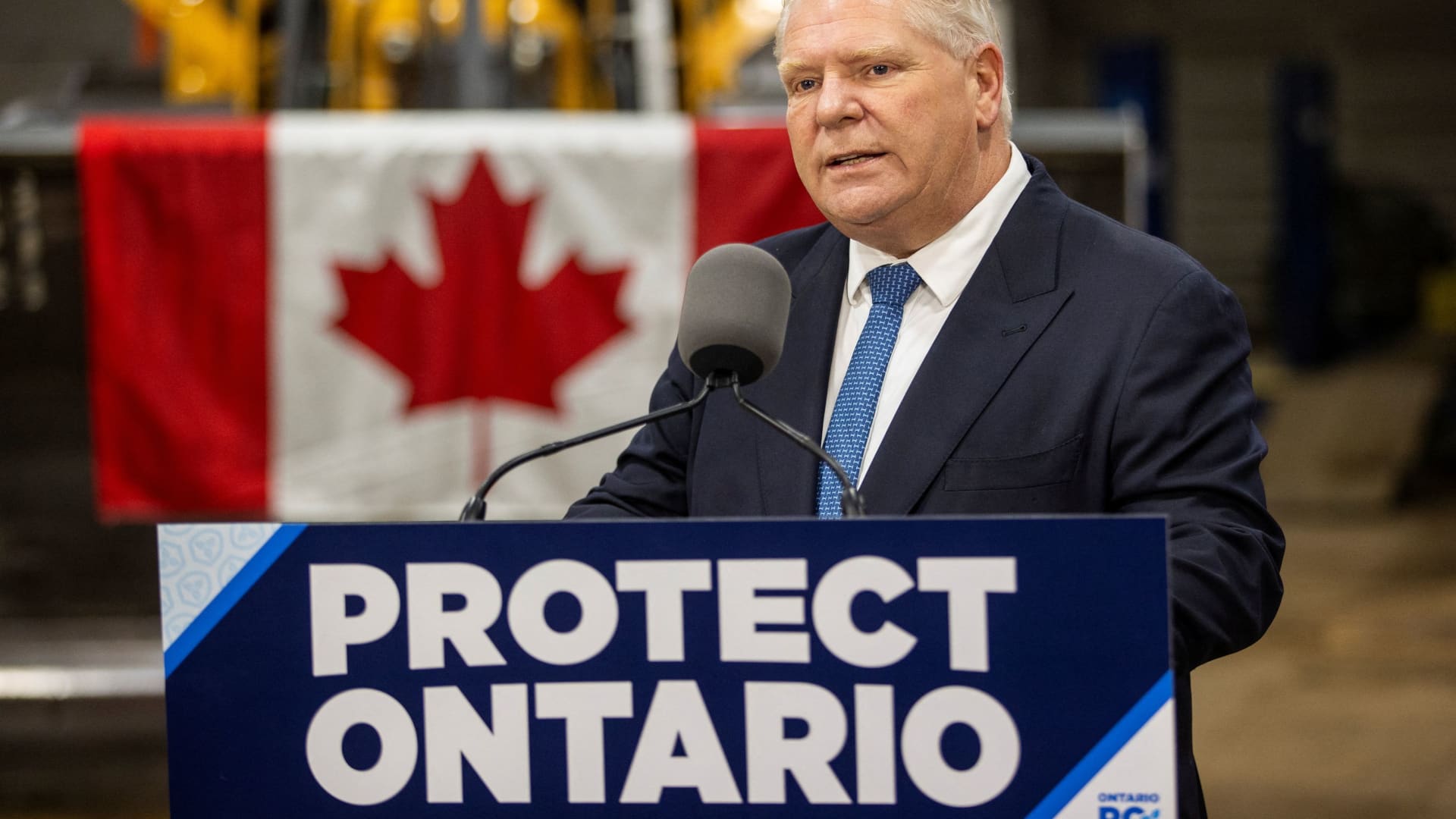
Ontario’s Bold Move: Removing U.S. Alcohol Amid Trump’s Tariff Shockwaves
In a surprising response to the newly imposed tariffs by the United States, Ontario has made a significant decision to pull U.S. alcohol products from its shelves. This bold move not only reflects the ongoing trade tensions between Canada and the United States but also raises a plethora of questions regarding the potential repercussions for consumers and businesses alike. As the situation unfolds, it is essential to examine the implications of Ontario’s decision, the rationale behind it, and how it could shape the future of alcohol sales in the province.
The Context of Tariffs and Trade Relations
Tariffs have been a contentious issue in North America, particularly during the Trump administration, when trade policies shifted dramatically. The imposition of tariffs on various goods, including steel, aluminum, and agricultural products, has strained relations between the U.S. and its trading partners. For Canada, the latest round of tariffs included alcohol products, which has directly impacted Ontario, a province heavily reliant on U.S. imports for its wine, beer, and spirits.
The U.S. alcohol market has been a significant supplier for Ontario, with a wide range of products available to consumers. The sudden removal of these products from the shelves, therefore, signals not only a retaliatory measure but also an opportunity for Ontario to bolster its own local producers. By focusing on domestic products, Ontario aims to support its local economy while sending a clear message regarding the consequences of U.S. trade policies.
The Rationale Behind Ontario’s Bold Move
Ontario’s decision to remove U.S. alcohol products stems from several factors:
- Economic Protectionism: By pulling U.S. products, Ontario is prioritizing its local producers, which could lead to increased sales for Canadian breweries and distilleries.
- Consumer Sentiment: There is a growing sentiment among Canadian consumers to support local businesses, particularly in light of ongoing economic challenges exacerbated by the pandemic.
- Political Messaging: This decision serves as a strong political statement against U.S. tariffs, showcasing Ontario’s willingness to stand up for its economic interests.
Implications for Consumers
The removal of U.S. alcohol products from Ontario shelves could have several consequences for consumers:
- Limited Selection: Consumers may find their favorite U.S. brands unavailable, leading to potential dissatisfaction among those loyal to American products.
- Price Adjustments: With less competition from U.S. products, prices for certain local alternatives may increase, affecting affordability.
- Exploration of Local Brands: On a positive note, this could encourage consumers to explore and appreciate local Canadian brands, which may have previously been overshadowed by their American counterparts.
Impact on Businesses
For businesses, the implications of removing U.S. alcohol are multifaceted:
- Opportunities for Local Producers: This move could lead to a significant boost in sales for local wineries, breweries, and distilleries, encouraging innovation and expansion.
- Supply Chain Adjustments: Businesses that relied on U.S. imports will need to adapt their supply chains, potentially facing short-term disruptions.
- Increased Marketing Efforts: Local businesses may need to ramp up their marketing to attract consumers who are now seeking alternatives to U.S. products.
Long-term Considerations
Ontario’s bold move to remove U.S. alcohol amid Trump’s tariff shockwaves raises several long-term considerations:
- Sustainable Growth for Local Industries: If the shift towards local products proves successful, it could lead to a more sustainable and resilient alcohol industry in Ontario.
- Potential Trade Agreements: This decision may influence future trade negotiations between Canada and the U.S., as both countries reassess their economic relationships.
- Consumer Behavior Changes: The long-term impact on consumer preferences could reshape the market landscape, with a greater emphasis on local sourcing.
Consumer Education and Awareness
As Ontario navigates this transition, consumer education will play a pivotal role. Informing the public about the benefits of supporting local businesses, as well as the variety and quality of Canadian products available, is crucial. Initiatives such as tasting events, promotional campaigns, and partnerships with local producers can help bridge the gap created by the absence of U.S. products.
Moreover, local governments and organizations can support this transition by providing resources and funding for small businesses to enhance their visibility and competitiveness in the market. This collaborative approach will be essential for fostering a thriving local alcohol industry.
A Hopeful Future
While the immediate consequences of Ontario’s decision to remove U.S. alcohol products may seem daunting, there is a silver lining. By redirecting consumer attention to local offerings, Ontario has the opportunity to nurture its rich tapestry of breweries, wineries, and distilleries. This bold move could inspire a renaissance of Canadian craftsmanship in the alcohol industry, ultimately enriching the province’s economy and culture.
As consumers adjust to the new landscape, there is hope that Ontario’s alcohol market will not only recover but also flourish. With a collective effort from businesses, consumers, and local governments, this transition can lead to a more vibrant and sustainable alcohol industry that reflects the unique flavors and traditions of Ontario.
In conclusion, Ontario’s decision to remove U.S. alcohol products amid Trump’s tariff shockwaves marks a significant shift in the province’s trade dynamics. While challenges abound, this bold move opens doors for local producers and encourages consumers to embrace the richness of Canadian offerings. As Ontario charts its path forward, the resilience and creativity of its businesses and consumers will undoubtedly shape a bright future for the province’s alcohol industry.
See more CCTV News Daily