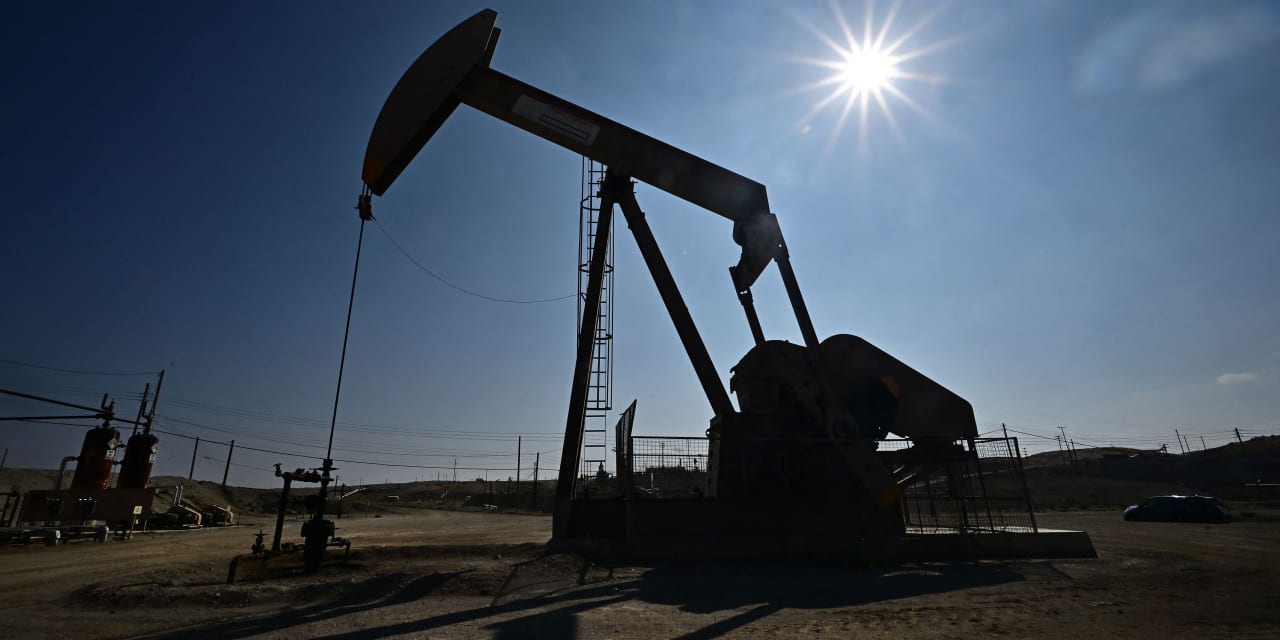
OPEC+ Strategy Unleashes Oil Price Volatility
As the global oil landscape shifts, the recent strategies implemented by OPEC+ have set the stage for significant fluctuations in oil prices. With the cartel’s decision to increase oil production, market reactions have been swift and pronounced, leading to a notable decrease in oil prices. This scenario raises critical questions about the future of global oil markets and the broader implications for consumers and economies worldwide.
Understanding OPEC+ and Its Influence
OPEC+, a coalition of the Organization of the Petroleum Exporting Countries and its allies, plays a pivotal role in the global oil industry. The group was formed to coordinate and unify petroleum policies among member countries, aiming to secure fair and stable prices for petroleum producers. With key players such as Saudi Arabia and Russia leading the charge, OPEC+ has historically held substantial sway over oil supply and, consequently, prices.
The recent decision to increase production comes on the heels of a complex interplay of global economic factors, including post-pandemic recovery, geopolitical tensions, and fluctuating demand. This strategy, while aimed at stabilizing the market, appears to have unleashed a wave of volatility that is causing ripples across various sectors of the economy.
The Current State of Oil Prices
As of late 2023, oil prices have been in significant decline following OPEC+’s announcement to boost production. This decline has been attributed to several factors:
- Increased Supply: The decision to ramp up production is primarily intended to meet rising global demand, especially in recovering economies. However, the immediate effect has been an oversupply in the market.
- Demand Fluctuations: Despite the increase in supply, demand has not surged as anticipated. Concerns over economic slowdowns in major markets have led to tempered consumption forecasts.
- Geopolitical Dynamics: Ongoing tensions in various regions have also contributed to uncertainty in the oil markets, impacting investor confidence and leading to sharp price movements.
As a result, prices have dropped significantly, leaving analysts and market participants scrambling to reassess their strategies.
Implications for Global Economies
The decline in oil prices, while beneficial for consumers at the pump, presents a double-edged sword for global economies. Here’s how:
- Consumer Relief: Lower oil prices generally lead to reduced transportation and heating costs, benefiting consumers and stimulating spending in other areas of the economy.
- Impact on Oil-Dependent Economies: Countries that heavily rely on oil exports, such as Venezuela and Nigeria, are likely to face economic challenges as their revenue streams dwindle with falling prices.
- Investment Shifts: Decreased prices may lead to reduced investment in the oil sector, potentially stalling new projects and innovations in energy production.
Thus, while consumers might enjoy short-term benefits, the long-term implications could be detrimental to economies reliant on oil production.
Future Outlook: What’s Next for OPEC+ and Global Oil Markets?
As we look to the future, several scenarios could unfold in response to OPEC+’s recent strategies:
- Potential Production Cuts: If prices continue to plummet, OPEC+ may be compelled to reconsider its production strategy, potentially implementing cuts to stabilize the market.
- Adapting to New Demand Patterns: The group may need to adapt its strategies to accommodate shifting global energy demands, particularly as countries increasingly focus on renewable energy sources.
- Geopolitical Considerations: Heightened geopolitical tensions could also influence OPEC+ decisions, as member nations navigate complex international relationships and energy security concerns.
In this environment of uncertainty, market participants will need to remain agile, adjusting their strategies in response to OPEC+ decisions and broader economic indicators.
For consumers, the recent volatility in oil prices presents both challenges and opportunities. Here are some tips for navigating this unpredictable landscape:
- Stay Informed: Keeping an eye on global oil trends, OPEC+ announcements, and economic indicators can help consumers make informed decisions about fuel purchases and budgeting.
- Consider Alternatives: With the growing emphasis on sustainability, consumers may want to explore alternative energy sources and fuel-efficient vehicles to mitigate the impact of fluctuating oil prices.
- Advocating for Policy Change: Engaging in discussions about energy policies can help consumers voice their needs and concerns, potentially influencing decisions that affect market stability.
Conclusion: Embracing Uncertainty in the Oil Market
As OPEC+ strategies continue to unleash oil price volatility, the future of the global oil market remains uncertain. While consumers may welcome lower prices in the short term, the broader implications for economies and industries dependent on oil are complex and multifaceted. The key for stakeholders—whether they are consumers, investors, or policymakers—will be adaptability. As the global energy landscape evolves, being prepared for change and embracing innovative solutions will be essential to navigate this era of uncertainty.
See more CCTV News Daily