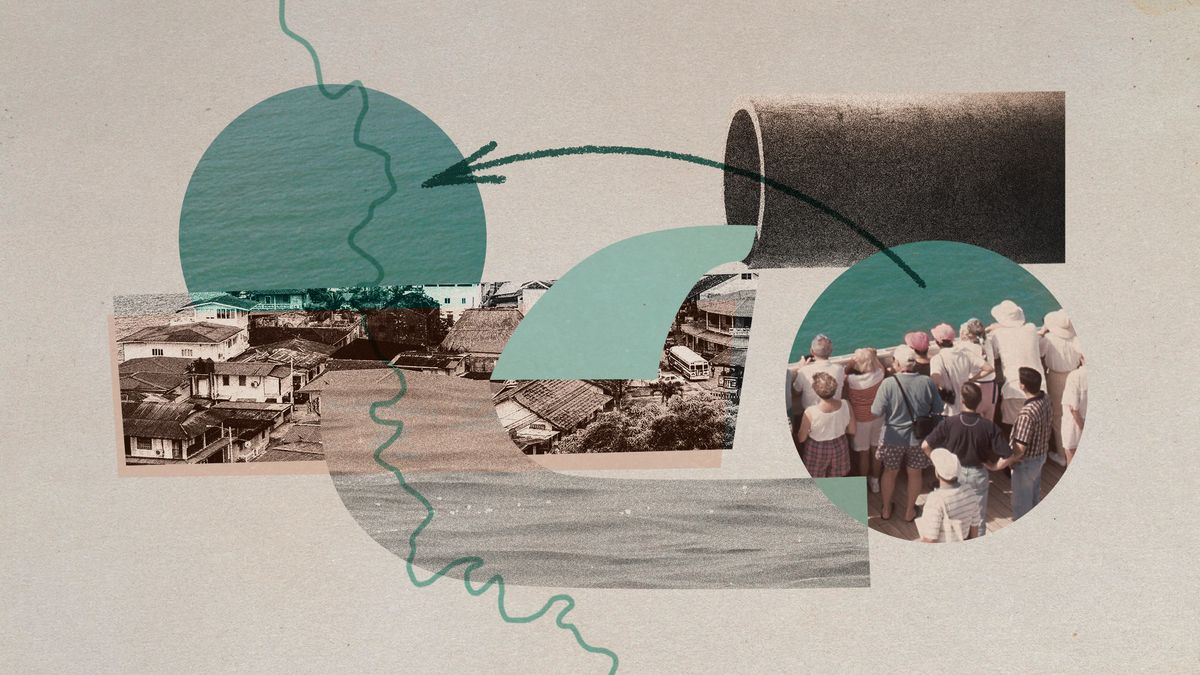
The Panama Canal has long been a crucial artery for global trade, linking the Atlantic and Pacific Oceans. However, persistent water-level issues in its lakes and channels have posed significant challenges for navigation and operations. To counteract these issues, a newly constructed dam in the Panama Canal aims to stabilize water levels, but experts caution that it may also exacerbate housing challenges in nearby communities. This dual impact raises questions about the long-term sustainability of such infrastructure projects.
The Need for a New Dam
Historically, the Panama Canal has faced fluctuations in water levels due to variable rainfall, increased evaporation rates, and climate change. These fluctuations can lead to disruptions in shipping schedules, impacting global supply chains. The newly constructed dam is designed to regulate water levels, providing a more consistent flow for the canal’s operations. By capturing and storing excess water during rainy seasons, the dam will help mitigate the effects of droughts and ensure that vessels can transit without delay.
Expected Benefits of the Dam
The primary objective of the dam is to maintain optimal water levels, which are critical for the canal’s functionality. Some anticipated benefits include:
- Improved Navigation: By stabilizing water levels, the dam will enhance the navigability of the canal, making it safer and more reliable for shipping companies.
- Economic Growth: A more efficient canal operation can lead to increased trade, boosting the economy not just in Panama but globally.
- Environmental Management: The dam may help in managing the ecological balance of the surrounding areas, preserving local flora and fauna by controlling water flow.
The Housing Dynamics Challenge
While the dam promises to bring several benefits, the implications for housing dynamics in surrounding areas are concerning. As water levels are controlled and potentially raised, several challenges could arise:
- Flooding Risks: The alteration of natural water levels could increase the risk of flooding in nearby communities. Areas previously safe from inundation may now find themselves at risk, prompting displacement.
- Real Estate Pressure: As the canal operations improve, increased economic activity may drive up housing demand, leading to rising property prices and rents.
- Infrastructure Strain: With an influx of people seeking housing, local infrastructure—including roads, schools, and healthcare—may become strained, impacting the quality of life for residents.
Community Concerns and Responses
Residents of the areas surrounding the Panama Canal have expressed mixed feelings about the new dam. While some are optimistic about economic opportunities, others are apprehensive about the potential displacement and disruption to their lives. Community leaders have voiced the need for comprehensive planning to address these issues proactively.
To mitigate the adverse effects, experts recommend:
- Community Engagement: Engaging local communities in discussions about the dam’s impact can foster transparency and collaboration in addressing concerns.
- Infrastructure Development: Investing in infrastructure to accommodate population growth can help prevent the strain on local resources.
- Flood Mitigation Plans: Implementing flood management strategies, including improved drainage systems and floodplain zoning regulations, can protect vulnerable areas.
Long-Term Sustainability of Infrastructure Projects
The dual impact of the new dam on water levels and housing dynamics raises critical questions about the sustainability of infrastructure projects. While the immediate benefits of improved navigation and economic growth are clear, the long-term consequences for housing and community stability must be carefully considered.
Experts argue that sustainable development requires a holistic approach, integrating environmental, social, and economic factors. For the Panama Canal project, this means:
- Conducting Comprehensive Impact Assessments: Before proceeding with similar projects, thorough assessments should evaluate potential environmental and social impacts.
- Implementing Adaptive Management Practices: Flexibility in management strategies can help address unforeseen challenges as conditions change.
- Establishing Collaboration Between Stakeholders: Government agencies, local communities, and environmental organizations must work together to ensure balanced benefits.
Conclusion
The newly constructed dam in the Panama Canal represents a significant step toward addressing the long-standing challenges of water-level fluctuations. However, as experts have warned, this infrastructure project is not without its challenges. The potential exacerbation of housing dynamics around the canal underscores the need for a balanced approach to development, one that prioritizes both economic growth and community stability.
As Panama navigates these complex challenges, the emphasis must be on creating a sustainable framework that considers not just immediate benefits but also the long-term well-being of its citizens and the environment. The journey ahead will require careful planning, active community engagement, and a commitment to sustainability as Panama continues to be a vital player in global trade.
See more CCTV News Daily