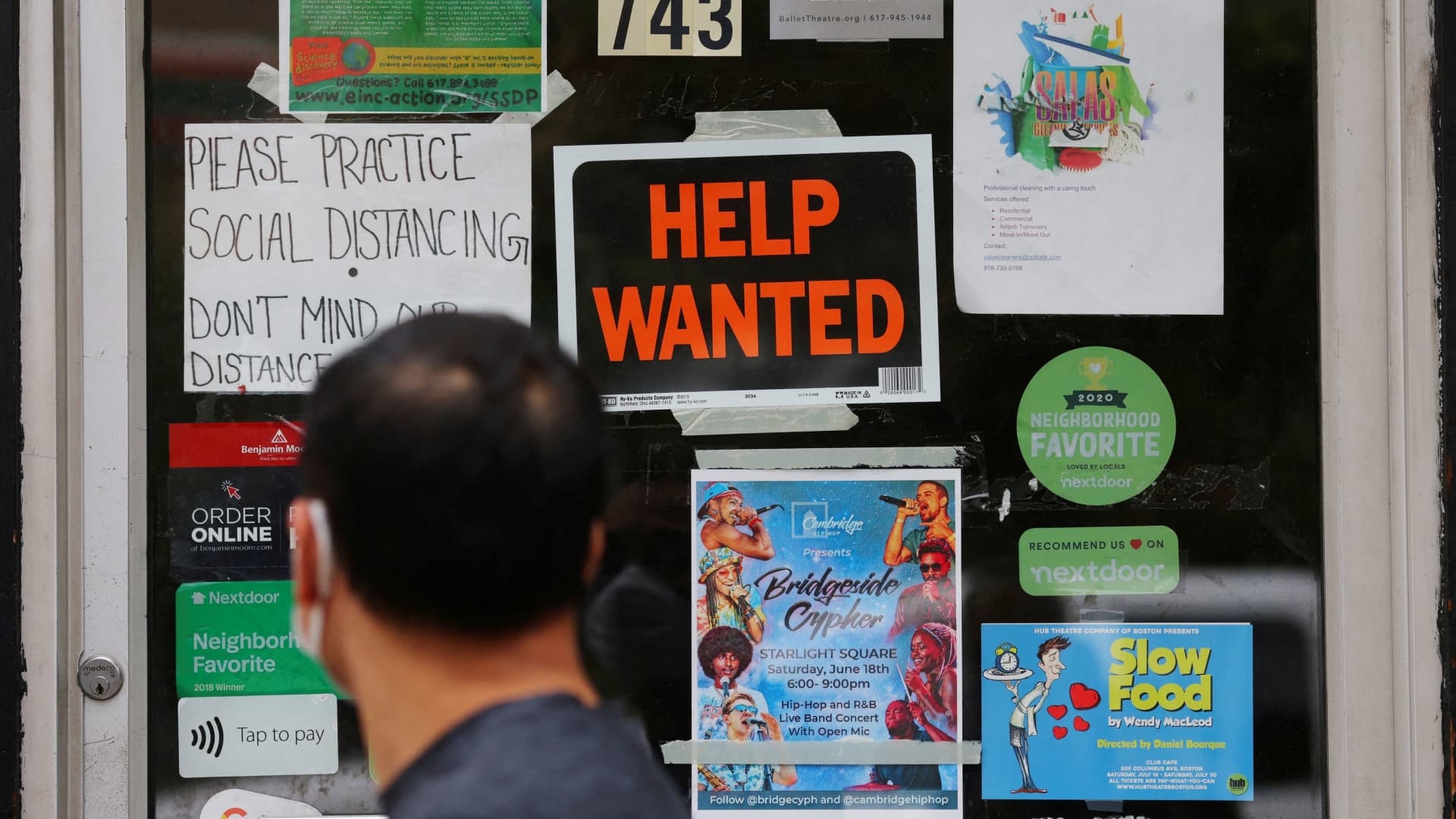
U.S. Payroll Growth Surges Amidst Rising Unemployment: A Labor Market Paradox
In March, the U.S. labor market delivered a mixed signal: employers added a robust 228,000 jobs, yet the unemployment rate climbed to 4.2%. The unexpected divergence has economists debating whether the economy remains resilient or if underlying weaknesses are emerging. While payroll growth suggests strong hiring demand, rising joblessness points to potential cracks in the recovery.
Strong Job Creation Defies Economic Headwinds
The 228,000 payroll increase marks the 27th consecutive month of job growth, with gains concentrated in healthcare, hospitality, and construction. The Bureau of Labor Statistics (BLS) reported wage growth of 4.3% year-over-year, outpacing inflation. “Businesses are still playing catch-up with labor shortages in key sectors,” noted Dr. Elena Rodriguez, chief economist at the Brookings Institution. “This isn’t a red flag yet—it’s a sign of rebalancing.”
However, the unemployment rate’s rise from 3.9% to 4.2%—the highest in two years—has raised eyebrows. The increase stems from a growing labor force, as 419,000 previously discouraged workers resumed job searches. “More people entering the workforce is healthy long-term,” said Federal Reserve Chair Jerome Powell in a recent press conference, “but short-term friction is inevitable.”
Behind the Numbers: Sector-Specific Trends
Digging deeper into the data reveals stark contrasts:
- Healthcare and social assistance led hiring (+81,000 jobs), fueled by aging demographics and Medicaid expansion.
- Construction added 39,000 roles, reflecting infrastructure spending and housing demand.
- Retail trade shed 18,000 positions, underscoring ongoing shifts to e-commerce.
Regional disparities also emerged. Sun Belt states like Texas and Florida accounted for 40% of new jobs, while the Midwest lagged due to manufacturing slowdowns. “The jobs boom isn’t evenly distributed,” warned Mark Thompson, a labor analyst at Wells Fargo. “Some regions are thriving; others are stagnating.”
Why Unemployment Rose Despite Job Gains
Economists cite three key factors for the unemployment uptick:
- Labor force expansion: Returning workers temporarily inflate jobless rates until they secure roles.
- Seasonal adjustments: Post-holiday layoffs in retail and logistics skewed March data.
- Skills mismatches: Employers struggle to fill specialized roles (e.g., renewable energy techs) despite ample applicants in other fields.
The “quit rate”—workers voluntarily leaving jobs—also dipped to 2.1%, suggesting declining confidence in finding better opportunities. “This could signal cooling worker leverage after the Great Resignation,” Rodriguez observed.
Federal Reserve’s Dilemma: Growth vs. Inflation
The report complicates the Fed’s path on interest rates. While strong payrolls argue against cuts, rising unemployment and slowing wage growth (down from 4.5% in 2023) may prompt a pivot. Futures markets now price in just two rate cuts this year, versus three projected in December. “The Fed is walking a tightrope,” said Thompson. “Overstimulate, and inflation rebounds; tighten too much, and unemployment spikes.”
What’s Next for the U.S. Economy?
Analysts will watch April’s data for confirmation of trends. Key indicators include:
- Labor force participation among prime-age workers (25-54), currently at 83.5%.
- Job openings in high-growth sectors like AI and clean energy.
- Consumer spending, which drives 70% of GDP.
For now, the labor market remains a tale of two realities: businesses keep hiring, but workers face tougher conditions. “The next six months will determine if this is a blip or a turning point,” concluded Rodriguez. Policymakers and job seekers alike should prepare for both scenarios.
Stay informed with our weekly economic briefs—subscribe here for expert analysis delivered to your inbox.
See more CCTV News Daily