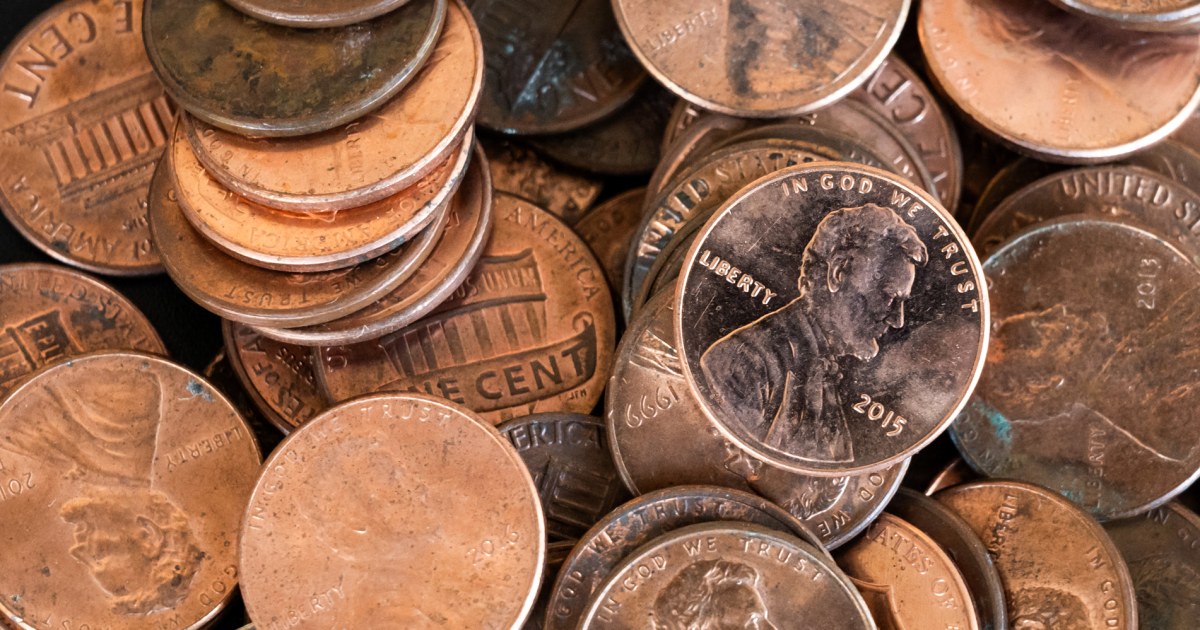
The Penny’s Demise: Understanding Its Economic Impact
The penny, once a staple of American currency, is gradually fading from circulation, and its demise is not just a matter of losing a coin. The implications ripple through the economy, influencing everything from pricing strategies to consumer behavior. In this article, we’ll unpack how the penny’s decline affects various aspects of American life, including our wallets, businesses, and broader economic trends.
The Historical Context of the Penny
To fully grasp the impact of the penny’s demise, it’s essential to consider its history. Introduced in 1793, the penny has undergone numerous changes in design and composition. Initially, it was made of copper, but over the years, rising metal costs led to the introduction of zinc and other materials. The penny became a symbol of thrift and savings, often tossed into piggy banks by children and adults alike.
However, as inflation soared and the cost of producing pennies increased, the coin started to lose its practicality. By the early 21st century, it became evident that maintaining the penny was becoming economically unfeasible. The U.S. Mint reported that it cost 1.76 cents to produce a single penny, leading many to question its continued existence.
The Economic Rationale Behind the Penny’s Demise
The penny’s demise is largely driven by economic factors. Here are some key reasons:
- Production Costs: As mentioned earlier, the cost of producing pennies exceeds their face value. This discrepancy has led to calls for its discontinuation.
- Inflation: With the consistent rise in prices over the decades, the penny’s purchasing power has diminished. Many items now cost significantly more than a penny, making the coin less relevant.
- Consumer Preferences: A growing number of consumers prefer cashless transactions, further diminishing the role of physical coins in daily transactions.
The Impact on Pricing Strategies
As the penny fades from circulation, businesses are adapting their pricing strategies. This change is particularly significant in industries where pricing is sensitive to consumer perception. Here’s how:
- Rounding Up: Many retailers have begun rounding prices to the nearest five cents. While this may simplify transactions, it can lead to increased costs for consumers in some cases.
- Psychological Pricing: The traditional pricing strategy of using 99 cents, such as pricing an item at $4.99, might become less common. Instead, prices may shift to whole numbers, like $5.00, which can change consumer perception.
This shift in pricing strategy can affect consumer behavior. For instance, if a product’s price is rounded up to the nearest five cents, consumers might perceive the item as more expensive, potentially impacting their purchasing decisions.
Consumer Behavior and the Penny’s Decline
The decline of the penny has also altered consumer behavior in subtle and not-so-subtle ways. Here are some notable changes:
- Piggy Banks and Savings: The classic image of a piggy bank filled with pennies may soon be a relic of the past. As children grow up in a world with fewer pennies, their relationship with saving money might evolve.
- Cashless Transactions: The rise of digital payment methods has reduced the need for coins altogether. Consumers are increasingly opting for credit cards, mobile payments, and online transactions, further sidelining the penny.
The Broader Economic Trends Influenced by the Penny’s Demise
The penny’s decline is not just a matter of currency; it reflects broader economic trends. Here are some insights into how these trends are intertwined:
- Digital Economy: The move towards a cashless society aligns with the broader trend of digitization. As more transactions occur online, the necessity for physical coins diminishes.
- Inflation and Economic Stability: The continued rise in prices leads consumers and policymakers to rethink monetary policies. The penny’s demise may reflect a need for more substantial reforms in currency management.
Social Implications of the Penny’s Disappearance
While the economic implications of the penny’s demise are significant, there are also social considerations. Coins often serve as a tactile connection to money, particularly for those who may not have access to banking services. The decline of the penny can exacerbate feelings of alienation in a rapidly digitizing world.
Moreover, the cultural significance of the penny cannot be overlooked. It has been featured in countless stories, traditions, and sayings, such as “a penny for your thoughts.” As this coin fades, so too might some aspects of cultural identity tied to it.
The Future of Currency in America
As we look ahead, it’s clear that the penny’s demise will shape the future of currency in America. Here are some potential outcomes:
- Potential Elimination of Other Coins: If the penny is phased out, other small denominations may follow. This could lead to a complete re-evaluation of how we value and use coins.
- Evolution of Payment Methods: The shift towards cashless transactions may prompt innovations in payment technology, making transactions faster and more efficient.
- Regulatory Changes: The government may need to adapt its monetary policies to keep up with the evolving landscape of currency and consumer behavior.
Conclusion: Embracing Change
The penny’s demise marks a significant shift in America’s economic landscape. While it may seem like a small change, its implications are vast, affecting everything from pricing strategies to consumer habits. As we embrace this change, it’s essential to recognize both the challenges and opportunities it presents. The transition to a more modern monetary system can enhance efficiency and reflect the realities of a cashless society.
Ultimately, while the penny may be fading, its legacy will linger on, reminding us of a time when every cent counted, and the simple act of saving was a cherished practice. As we move forward, let’s adapt and innovate, embracing a future where currency evolves alongside our economic needs.
See more CCTV News Daily