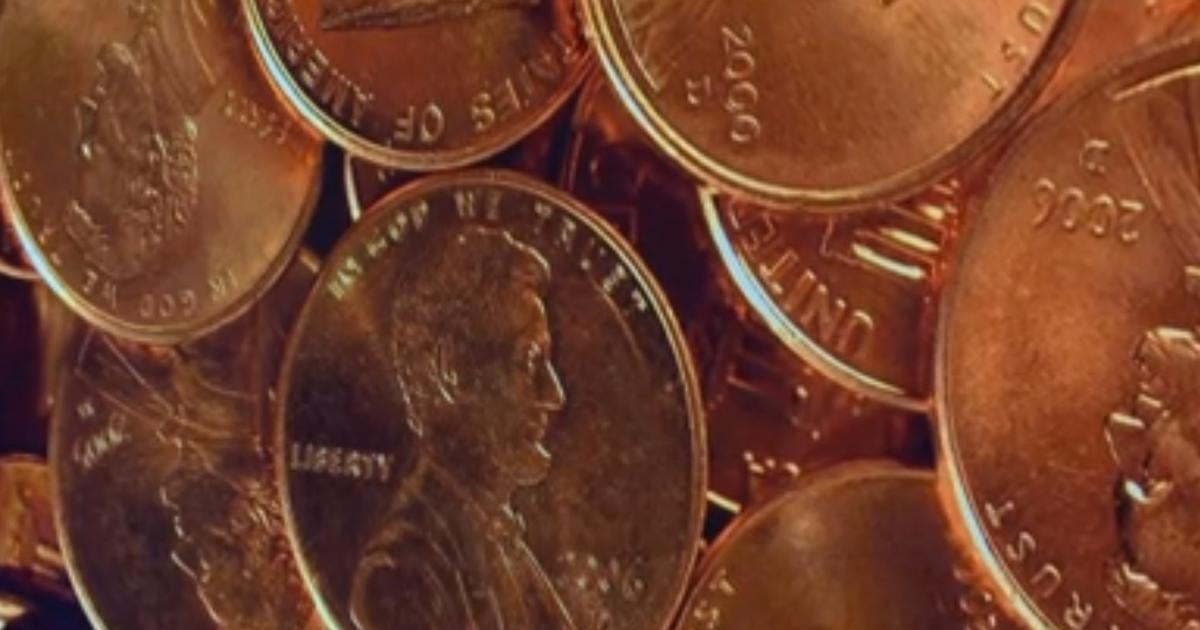
The Penny Dilemma: Is This Cent-Old Coin Still Worth It?
As we navigate through an increasingly digital landscape, the relevance of the penny is increasingly questioned. The debate surrounding the future of this once-cherished coin has gained momentum, especially in light of modern financial practices and consumer behavior. This article delves into the historical significance of the penny, its economic implications, and what the future holds for this iconic piece of currency.
A Brief History of the Penny
The penny has a rich and storied history dating back to its introduction in the United States in 1793. Originally made from copper, the penny has undergone various transformations in both its composition and design. The most notable change came in 1982 when the United States Mint switched from copper to a predominantly zinc composition due to rising copper prices. This shift not only altered the penny’s material but also its weight and feel.
Over the years, the penny has been a staple in American culture. It has been featured in folklore, symbolizing luck and prosperity—think of the saying, “Find a penny, pick it up, and all the day you’ll have good luck.” However, as we move further into the digital age, the penny’s role in daily transactions is being called into question.
The Economic Implications of the Penny
The penny dilemma isn’t just a matter of nostalgia; it has significant economic implications. Critics of the penny argue that it costs more to produce than it is worth. According to the United States Mint, it costs about 1.76 cents to produce a single penny, which raises questions about its sustainability as a form of currency.
- Production Costs: With rising metal prices and manufacturing expenses, the cost-effectiveness of the penny is increasingly scrutinized.
- Transaction Efficiency: In a world where speed and convenience reign supreme, many businesses and consumers find pennies cumbersome, often leading to frustration during transactions.
- Inflationary Pressures: As inflation continues to rise, the purchasing power of the penny diminishes, leading many to question its utility in modern transactions.
Consumer Behavior and the Penny
Consumer behavior is evolving, particularly in how people prefer to conduct transactions. The rise of digital payments, mobile banking, and contactless transactions has significantly reduced the reliance on coins, including the penny. As of 2022, a survey by the Federal Reserve revealed that nearly 60% of transactions in the U.S. were conducted electronically.
This shift in consumer preferences raises an important question: Is the penny still relevant? Many people no longer carry cash, and even those who do often find themselves with jars full of pennies that rarely get used. This growing disdain for the penny can be viewed as a reflection of changing societal values—where convenience and speed have taken precedence over traditional forms of currency.
The Case for Keeping the Penny
Despite the arguments for eliminating the penny, some advocates believe it still holds value. Here are a few points they often raise:
- Charitable Contributions: Many charitable organizations rely on penny drives and collections to raise funds, demonstrating how even a small coin can make a significant impact.
- Pricing Precision: The penny allows for more precise pricing in retail, which can be crucial for certain industries, particularly grocery stores where every cent counts.
- Cultural Significance: The penny has become an emblem of American history and culture. Removing it could be seen as a loss of tradition.
The Global Perspective on Pennies
The penny’s fate is not unique to the United States; several countries have grappled with similar dilemmas. Canada, for instance, eliminated its one-cent coin in 2012, rounding prices to the nearest five cents. This decision was met with mixed reactions, but ultimately, it streamlined transactions and reduced the burden of producing low-denomination coins.
In Australia and the Eurozone, there have been discussions about eliminating the lowest denomination coins. These examples highlight a growing global trend towards simplifying currency systems, which could influence future decisions regarding the penny in the U.S.
The Future of the Penny
As we look forward, the penny’s future remains uncertain. Several potential outcomes could shape its destiny:
- Elimination: Continued discussions about the penny’s relevance may lead to its eventual elimination from circulation, similar to the fate of the Canadian penny.
- Redesign: Advocates for the penny may push for a redesign that better reflects contemporary values or materials that reduce production costs.
- Preservation: The penny may be preserved as a collector’s item, with limited production to maintain its historical significance without having it circulate as currency.
Conclusion: The Penny Dilemma Continues
In conclusion, the penny dilemma raises important questions about the value of this cent-old coin in a rapidly changing economic landscape. While the penny has historical significance and cultural value, its practical application is increasingly challenged by modern consumer habits and economic efficiency.
The future of the penny will likely depend on a combination of public sentiment, economic realities, and decisions made by policymakers. As digital transactions continue to dominate, the relevance of the penny will be put to the test. Whether it remains a part of our currency system or fades into history, one thing is clear: the penny’s legacy will endure, if only as a reminder of a different era in American finance.
See more CCTV News Daily