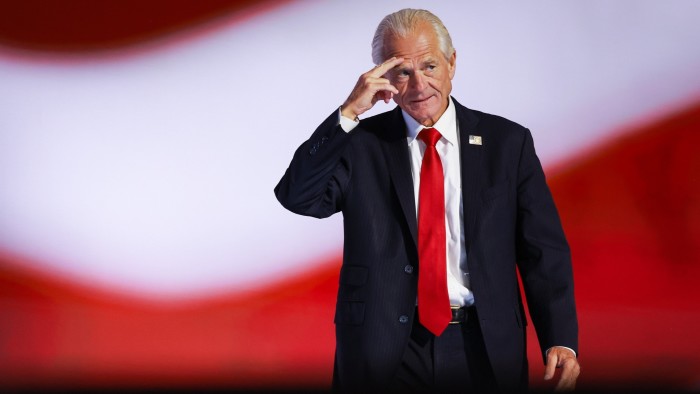
Peter Navarro, a prominent figure in Donald Trump’s administration, is back in the spotlight, reigniting interest in his controversial trade strategies that once dominated U.S. trade policy. Known for his staunch advocacy of protectionist measures, Navarro’s return raises pertinent questions about the future of American trade policy and its implications for global markets. As we delve into Navarro’s reemergence, it is essential to understand his impact on trade relations and the potential consequences of his strategies in today’s economic landscape.
Navarro served as the Director of the National Trade Council under President Trump, a role that positioned him at the helm of the administration’s trade policies. His approach was characterized by a firm belief in the need for a robust manufacturing base in the United States, which he argued had been eroded by unfair trade practices and globalization. Navarro’s influential book, *Death by China*, laid the groundwork for his policies, emphasizing the threats posed by China to American industry.
Under Navarro’s guidance, the Trump administration implemented a series of tariffs on various goods, particularly targeting imports from China. The intention was to protect American jobs and industries by making foreign products more expensive. However, these policies sparked significant backlash, leading to trade wars that affected not only U.S.-China relations but also the global economy.
Trade Wars: A Double-Edged Sword
The trade wars initiated during Navarro’s tenure had mixed results. On one hand, they aimed to revive American manufacturing and reduce the trade deficit. On the other hand, they led to increased prices for consumers and strained relationships with key trading partners. As tariffs escalated, so did concerns about retaliatory measures, which further complicated the landscape.
For instance, the agricultural sector was hit particularly hard, as countries like China imposed tariffs on American agricultural products in response to U.S. tariffs. This created a ripple effect, leading to significant losses for farmers and raising questions about the sustainability of such aggressive policies.
Now, as Navarro reemerges in the political arena, he is advocating for a revival of his trade strategies. His recent public appearances and statements indicate a determination to continue pushing for protectionist policies. Navarro claims that the lessons learned from the previous administration’s trade wars are still relevant, particularly in light of ongoing global supply chain issues and geopolitical tensions.
The Current Economic Context
The global economy has changed significantly since Navarro’s initial tenure. The COVID-19 pandemic disrupted supply chains, leading to shortages and increased prices across various sectors. Inflation rates have surged, and many consumers are feeling the pinch. In this context, Navarro argues that a return to protectionist policies could help stabilize the economy by prioritizing domestic production and reducing reliance on international supply chains.
This perspective aligns with a growing sentiment among some policymakers and economists who advocate for a shift towards more localized production. The idea is that by investing in American manufacturing, the U.S. can create jobs, enhance economic resilience, and reduce the vulnerabilities exposed by the pandemic.
Implications for U.S. Trade Policy
Navarro’s reemergence raises critical questions about the future trajectory of U.S. trade policy. If he successfully influences the current administration or gains traction within the Republican Party, the United States could see a renewed emphasis on protectionism, potentially leading to further trade tensions with key partners.
- Potential Benefits:
- Increased focus on domestic manufacturing
- Job creation in key industries
- Greater economic independence
- Potential Downsides:
- Higher consumer prices
- Retaliatory tariffs from other countries
- Strained international relations
The Role of Globalization
In the wake of Navarro’s previous policies, there’s been an ongoing debate about the merits of globalization versus protectionism. Critics of Navarro’s approach argue that globalization has brought significant benefits, including lower prices for consumers and the availability of diverse products. They contend that a retreat from global trade could harm the U.S. economy in the long run.
However, supporters of Navarro’s policies believe that the risks associated with globalization—such as job losses in manufacturing and increased dependency on foreign countries—outweigh the benefits. They argue that national security concerns necessitate a reevaluation of how trade is conducted, particularly with nations perceived as economic adversaries.
Looking Ahead: What Lies Ahead for U.S. Trade?
As Navarro reinvigorates discussions around trade policy, the future remains uncertain. The Biden administration has taken a more cautious approach to trade, focusing on building alliances and addressing issues such as climate change and labor rights in trade agreements. However, the pressure from within the Republican Party to adopt a more protectionist stance could reshape the dialogue.
Moreover, the evolving geopolitical landscape, particularly with the rise of China as a global superpower, continues to complicate trade relations. Issues such as human rights, intellectual property theft, and military ambitions are at the forefront of discussions, further influencing trade strategies.
Conclusion
Peter Navarro’s reemergence as a key advocate for protectionist trade policies signals a potential shift in U.S. trade strategy. As he revives the controversial tactics that defined his tenure in the Trump administration, the implications for both the U.S. economy and global markets are profound. While there are arguments for prioritizing domestic production and protecting American jobs, the challenges of rising consumer prices and strained international relations cannot be overlooked.
As we navigate this complex landscape, it is vital for policymakers, businesses, and consumers to engage in informed discussions about the future of trade. The balance between protecting national interests and embracing the benefits of globalization will be crucial in determining the direction of U.S. trade policy in the coming years. With Peter Navarro back in the conversation, the trade wars may be far from over.
See more CCTV News Daily