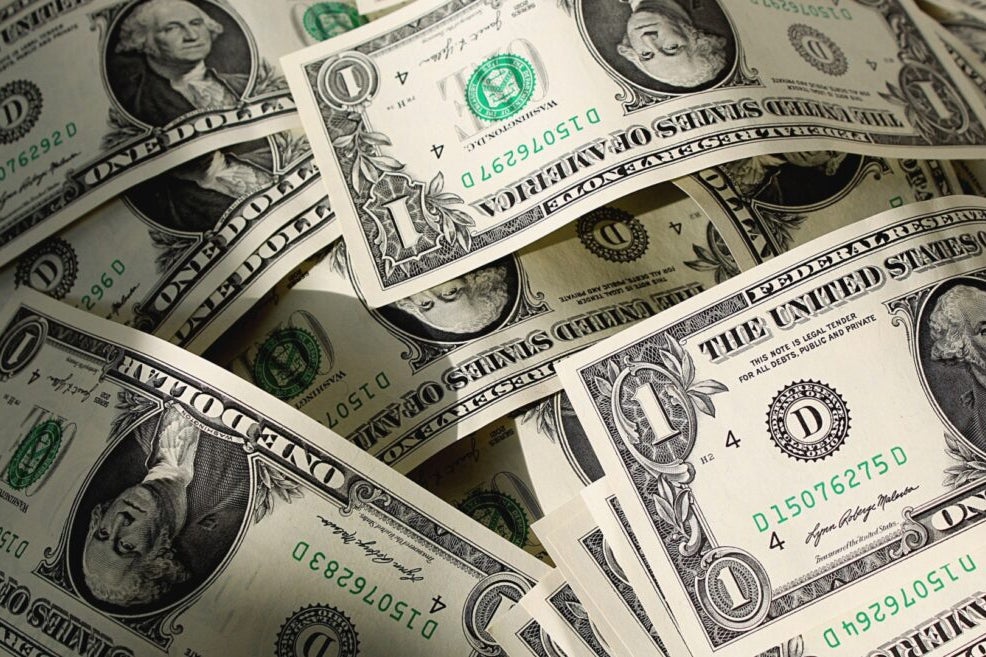
Economic Expert Peter Schiff Sounds Alarm on Dollar’s Future and Trade Deficit Solutions
Renowned economist Peter Schiff has issued a stark warning about the U.S. dollar’s vulnerability and the nation’s growing trade deficit. In recent public statements, Schiff argued that only a dramatic devaluation of the dollar or aggressive tariffs can rebalance trade—but at the cost of soaring inflation and interest rates. His analysis raises urgent questions about America’s economic stability as the trade deficit hits $74.6 billion in April 2024, up 8.7% year-over-year.
The Dollar Dilemma: Schiff’s Controversial Prescription
Schiff, CEO of Euro Pacific Capital and a frequent critic of Federal Reserve policies, contends that the U.S. has reached an economic crossroads. “The trade deficit isn’t just a number—it’s a flashing red light showing how much we’re living beyond our means,” he stated during a recent podcast. His proposed solutions carry severe trade-offs:
- Currency Devaluation: A weaker dollar could make exports cheaper but would spike import costs
- Protectionist Tariffs: Potential 15-20% across-the-board tariffs might shrink the deficit but risk trade wars
Federal Reserve data shows the dollar index (DXY) has already declined 12% from its 2022 peak, while inflation remains stubborn at 3.4%—well above the 2% target. “We’re choosing between bad and worse options,” Schiff remarked. “The Fed’s current path just kicks the can down the road.”
The Inflation Time Bomb
Schiff’s warnings gain urgency as the Congressional Budget Office projects the trade deficit will reach $1.2 trillion by 2025. Historical precedents suggest his concerns may be valid:
- The 1971 Nixon Shock led to 6.2% inflation within two years after dollar devaluation
- 2018-2019 tariffs caused a 0.3% GDP drag despite shrinking the trade gap temporarily
Dr. Michelle Chen, a trade policy fellow at the Brookings Institution, offers a counterpoint: “Tariffs are blunt instruments that often backfire. The 2024 economy is too interconnected for 20th-century solutions.” She points to semiconductor export controls as a more targeted approach, which boosted domestic chip investment by $52 billion since 2022.
Global Reactions and Market Realities
International markets are already positioning for potential dollar turbulence. Key developments include:
- BRICS nations increasing gold reserves by 37% in 2023
- The euro surpassing the dollar as the preferred trade currency in 31% of China-Russia transactions
- 10-year Treasury yields climbing to 4.3% as foreign buyers demand higher returns
“This isn’t theoretical anymore,” notes hedge fund manager Raj Patel. “When Japan and Saudi Arabia start quietly diversifying reserves, the smart money pays attention.” The dollar’s share of global reserves has slipped to 58%—its lowest since the euro’s 1999 launch.
Policy Crossroads: What Comes Next?
The Biden administration faces mounting pressure as election-year economics collide with long-term challenges. Recent measures show mixed results:
| Policy | Impact |
|---|---|
| CHIPS Act | +$216B private semiconductor investment |
| Inflation Reduction Act | Trade deficit with China down 14% in targeted sectors |
Yet structural issues persist. The U.S. imports 72% more consumer goods than it exports, with the services surplus unable to compensate. Schiff insists only radical action can prevent a crisis: “We need to stop pretending the dollar’s dominance is eternal. The reckoning comes whether we’re ready or not.”
The Road Ahead: Hard Choices for Economic Stability
As policymakers weigh options, businesses and investors face growing uncertainty. Key indicators to watch:
- Dollar index breaks below 95 support level
- 10-year Treasury yields exceed 4.5%
- Monthly trade deficit surpasses $80B
While Schiff’s warnings are dire, not all analysts agree on the timeline or severity. JPMorgan’s 2024 Global Outlook suggests gradual dollar weakening could be managed without crisis. Yet even optimistic scenarios acknowledge fundamental shifts are underway in the global economic order.
For citizens concerned about these developments, financial advisors recommend reviewing portfolio allocations and considering inflation-protected assets. The coming months may test whether America can navigate its trade imbalances without triggering the economic turbulence Schiff predicts.
See more CCTV News Daily