Are Postage Stamp Prices on the Rise Again? What You Need to Know
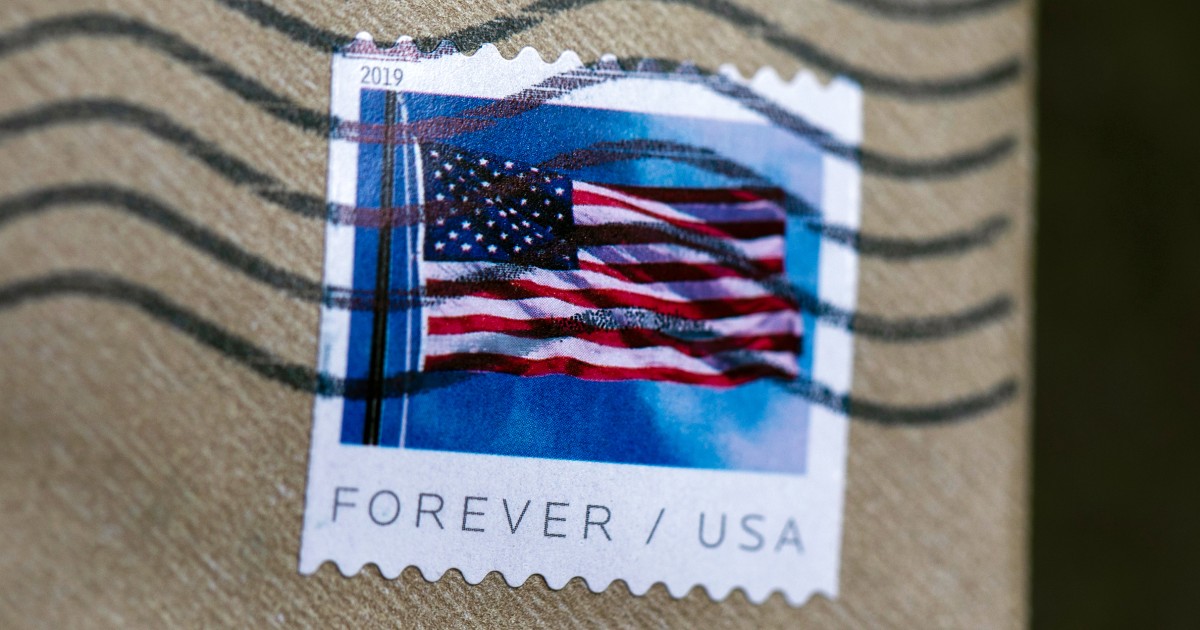
The U.S. Postal Service (USPS) is reportedly considering another postage stamp price increase in 2024, marking the fifth hike since 2021. With inflation driving up operational costs, the proposed change could raise the cost of a first-class stamp from 68 cents to 73 cents, impacting millions of consumers and businesses reliant on mail services. The potential adjustment reflects broader financial pressures facing the USPS as it balances rising expenses with declining mail volume.
Why Postage Stamp Prices Keep Climbing
The USPS has cited inflation, heightened transportation costs, and a steady decline in first-class mail volume as key factors behind the proposed increase. Over the past decade, mail delivery has dropped by nearly 50%, while operating expenses—including fuel, labor, and infrastructure—have surged. According to the Bureau of Labor Statistics, postal service costs have risen 12% since 2020, outpacing general inflation rates.
“The Postal Service operates in a challenging environment where revenue must cover escalating costs,” explains logistics expert Dr. Elena Martinez. “Unlike private carriers, USPS must serve every address in the nation, even remote areas, which strains profitability.”
- 2021: Stamp prices rose from 55¢ to 58¢
- 2022: Two increases pushed rates to 60¢, then 63¢
- 2023: Jumped to 66¢ in January, then 68¢ in July
How Businesses and Consumers Are Affected
Small businesses, nonprofits, and older adults who rely on traditional mail face the steepest burdens. A 2023 National Small Business Association survey found that 62% of respondents still use physical mail for invoices, marketing, or client communications. Higher stamp prices could force some to shift budgets or accelerate digital transitions.
“For local charities, even a 5-cent increase adds up when sending thousands of donation requests annually,” says nonprofit director Mark Reynolds. “We’re bracing for tougher fundraising conditions.” Meanwhile, consumers mailing holiday cards or paying bills via check may feel the pinch. The USPS estimates the average household spends $70 yearly on postage—a figure that could soon approach $85.
Controversy and Pushback
Critics argue frequent hikes risk a vicious cycle: higher prices drive more customers away, worsening the USPS’s fiscal woes. The Postal Regulatory Commission (PRC) has previously questioned whether increases align with cost-control efforts. “There’s a limit to how much you can charge for a service that’s becoming less essential,” notes PRC analyst Linda Choi.
However, USPS leadership emphasizes modernization investments, like electric delivery vehicles and package sorting upgrades, as necessary for long-term stability. “Without pricing adjustments, service quality and employment benefits suffer,” says USPS spokesperson David Walton.
Alternatives to Rising Stamp Costs
To mitigate expenses, experts suggest:
- Forever Stamps: Purchasing these locks in current rates for future use.
- Bulk Mail Discounts: Businesses sending 500+ pieces can qualify for reduced rates.
- Digital Tools: Switching to email invoicing or online bill pay where feasible.
The Future of USPS Pricing
With the Postal Service projecting $70 billion in losses over the next decade, further increases seem inevitable. Legislative proposals, like eliminating the USPS’s prefunding mandate for retiree health benefits, could ease pressure—but political gridlock delays reforms. For now, stakeholders advise monitoring official announcements at USPS.com before the next potential hike takes effect this summer.
As the debate continues, one reality is clear: the era of cheap postage is fading. Whether you’re a small-business owner or a grandparent mailing birthday cards, staying informed and adapting will be key to navigating these changes.
Want to share how stamp price increases affect you? Reach out to our consumer affairs team with your story.
See more CCTV News Daily