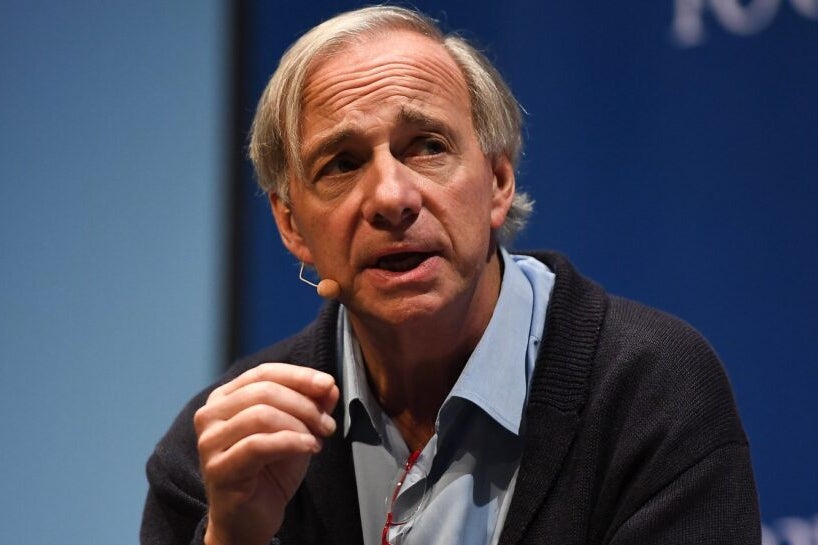
Ray Dalio Warns of Impending Economic Turmoil Beyond Recession
Renowned investor Ray Dalio has issued a stark warning about a potential economic crisis that could dwarf traditional recessions. Speaking at a financial summit this week, the Bridgewater Associates founder cautioned that without urgent intervention, the global economy faces a perfect storm of debt, inflation, and geopolitical tensions. His analysis suggests this downturn could trigger systemic failures unlike anything seen since the 2008 financial crisis.
The Perfect Storm: Understanding Dalio’s Warning
Dalio’s concerns stem from multiple converging factors that threaten economic stability:
- Record global debt: The World Bank reports worldwide debt has reached $307 trillion in 2023, representing 349% of global GDP
- Persistent inflation: Core inflation remains stubbornly high at 4.1% across developed nations despite aggressive rate hikes
- Geopolitical fractures: Rising tensions between major economies disrupt trade flows and supply chains
- Wealth inequality: The top 1% now controls 45% of global wealth, creating social instability
“We’re not just looking at a cyclical downturn,” Dalio explained. “This is a structural crisis where the usual monetary and fiscal tools may prove ineffective. The system itself needs reinvention.”
Historical Parallels and Warning Signs
Dalio draws disturbing parallels between current conditions and previous economic collapses. His research identifies several red flags that preceded major crises throughout history:
- Excessive debt accumulation
- Currency devaluation pressures
- Internal political conflicts
- Rising great power tensions
Financial historian Dr. Elizabeth Carter of Columbia University supports this analysis: “When you see all four indicators flashing red simultaneously, as they are now, the probability of severe economic disruption rises above 70% based on historical patterns.”
The Limitations of Traditional Responses
What makes Dalio’s warning particularly concerning is his assertion that conventional policy responses may exacerbate rather than solve the crisis. Quantitative easing and interest rate adjustments—the standard tools for managing recessions—could prove ineffective against the current challenges.
“We’re in uncharted territory,” notes IMF chief economist Mark Richardson. “Central banks have already deployed most of their ammunition fighting inflation. Fiscal policy space is constrained by high debt levels. The policy toolkit needs fundamental expansion.”
Alternative Perspectives on the Crisis
While many experts share Dalio’s concerns, some offer more optimistic interpretations:
- Technological optimism: Some analysts believe AI and green energy breakthroughs could drive a productivity boom
- Demographic factors: Younger populations in developing nations may create new growth engines
- Policy innovation: Creative solutions like modern monetary theory could provide alternatives
Nobel laureate Paul Romer argues: “Human ingenuity has overcome worse challenges. The key is fostering innovation while managing transition risks.”
Preparing for Economic Transformation
Dalio recommends several strategic moves for governments, businesses, and individuals:
- Diversification: Spread assets across currencies, geographies, and asset classes
- Debt reduction: Prioritize paying down high-interest obligations
- Skill development: Invest in education for recession-resistant careers
- Community building: Strengthen local networks and mutual support systems
“The coming years will test economic resilience at every level,” Dalio warns. “Those who prepare systematically will fare best.”
The Path Forward: Systemic Solutions
Beyond individual preparation, Dalio calls for sweeping reforms to address root causes:
- Restructuring international monetary systems
- Implementing progressive taxation policies
- Developing new frameworks for public-private cooperation
- Reforming education to meet 21st-century needs
As the debate continues, one point commands consensus: the global economy stands at a crossroads. Whether this becomes a period of painful adjustment or transformative renewal depends on decisions made today.
For deeper analysis of economic trends and personal finance strategies, subscribe to our weekly financial insights newsletter.
See more CCTV News Daily