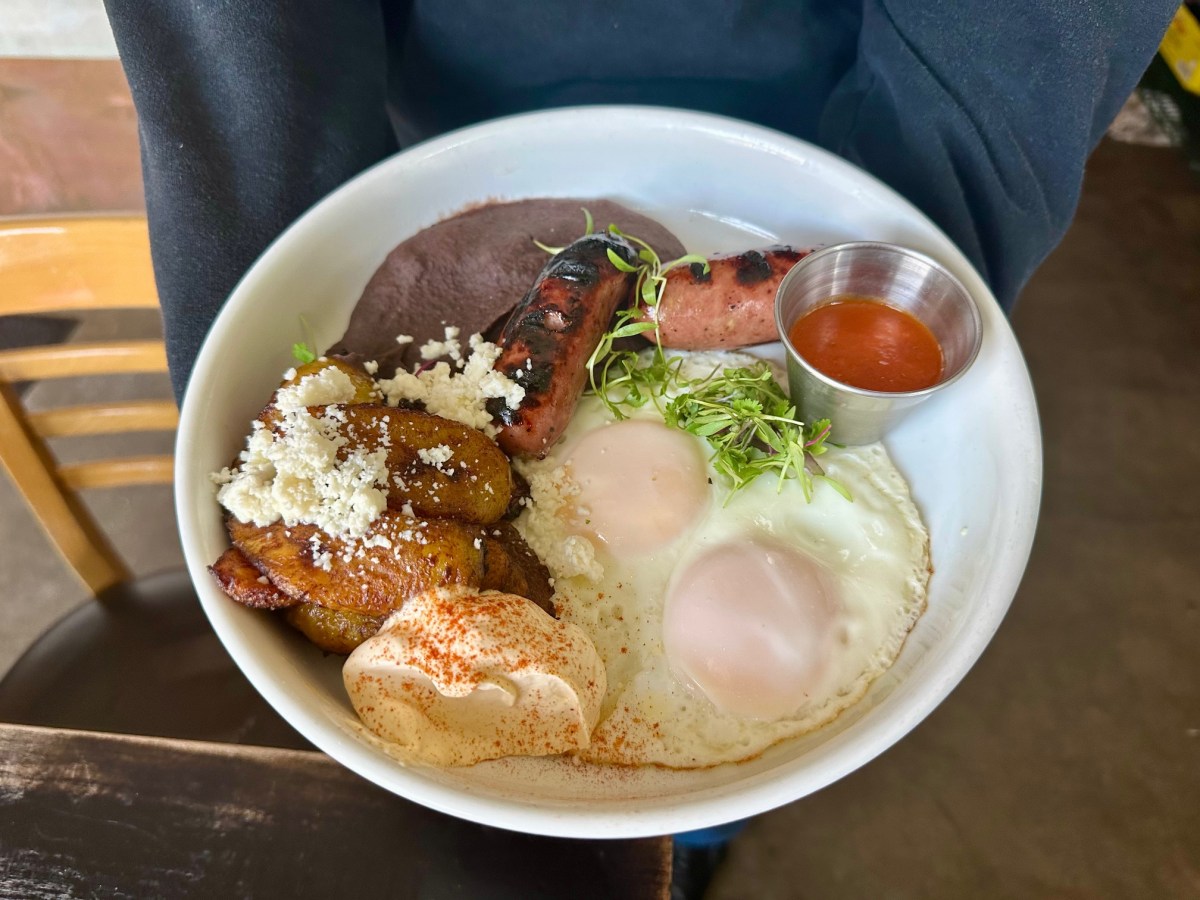
Rising Egg Prices Force Restaurants to Rethink Menus
As the cost of eggs skyrockets, restaurants are facing tough decisions on how to adjust their menus and prices. The surge in egg prices has not only impacted the bottom line for food establishments but also the overall dining experience for consumers. This article delves into the ripple effects of rising egg prices, exploring how restaurants are adapting their offerings and what this means for diners.
The Current State of Egg Prices
Over the past year, egg prices have increased dramatically, reaching levels that many consumers and restaurant owners have never seen before. According to the United States Department of Agriculture (USDA), the average price for a dozen eggs has more than doubled compared to previous years. This spike is largely attributed to factors such as:
- Supply Chain Disruptions: The ongoing effects of the COVID-19 pandemic have strained supply chains, leading to shortages and increased costs.
- Avian Influenza: Outbreaks of bird flu have devastated poultry populations, significantly reducing the supply of eggs.
- Increased Feed Costs: The rising prices of feed due to global commodity fluctuations have further impacted egg production costs.
These factors combined create a perfect storm, forcing many restaurants to reconsider their egg-centric dishes and overall menu strategies.
Menu Adjustments: A Necessity for Survival
With the cost of eggs soaring, many restaurants have had to make difficult choices. Some establishments are removing egg-based dishes altogether, while others are reimagining their menus to incorporate eggs in more cost-effective ways. Here are a few strategies that restaurants are employing:
- Reducing Portion Sizes: Many restaurants are downsizing dishes that traditionally contain eggs, such as omelets and frittatas, to maintain affordability without compromising the dining experience.
- Alternative Ingredients: Chefs are experimenting with substitutes for eggs, such as aquafaba (the liquid from canned chickpeas) or silken tofu, to create vegan and vegetarian options.
- Seasonal Menus: Some restaurants are shifting to a more seasonal approach, featuring egg dishes only when prices are lower, thus allowing for fresher, more affordable options.
These adaptations not only help manage costs but also encourage creativity in the kitchen, offering patrons new flavors and experiences.
The Impact on Consumer Choices
As restaurants adjust their menus, consumers inevitably feel the impact. Diners are now faced with a variety of choices influenced by rising egg prices. Some trends have emerged in consumer behavior:
- Increased Demand for Plant-Based Options: With the rising cost of animal products, more consumers are opting for plant-based meals. This trend aligns with a broader movement toward healthier eating and sustainability.
- Price Sensitivity: Diners are becoming more price-conscious, seeking out value-driven meals that offer quality without breaking the bank. This shift may lead them to favor restaurants with transparent pricing strategies.
- Experimentation with Menus: Customers are now more open to trying new dishes that incorporate alternative ingredients, leading to a potential shift in dining preferences.
Overall, the rising egg prices have prompted diners to rethink their ordering habits, which could have lasting effects on the restaurant industry.
Creative Solutions from the Industry
Innovation is key in times of crisis, and the restaurant industry is rising to the challenge. Here are some creative solutions that restaurateurs are implementing to counteract the effects of rising egg prices:
- Local Sourcing: Some restaurants are partnering with local farms to source eggs directly, potentially lowering costs and supporting local economies.
- Egg Subscriptions: Innovative restaurant owners are exploring subscription models for regular customers, allowing them to lock in prices and ensure a steady supply of eggs.
- Menu Diversification: By diversifying their offerings beyond traditional egg dishes, restaurants can reduce their reliance on eggs altogether. This could mean expanding into different cuisines or highlighting other proteins.
These strategies not only address the immediate challenges posed by rising egg prices but also foster resilience in the face of future disruptions.
Consumer Education and Engagement
As restaurants navigate this challenging landscape, consumer education plays a crucial role. Many establishments are taking steps to inform diners about the reasons behind the price increases. This can help manage expectations and foster understanding. Here are some effective approaches:
- Transparency in Pricing: By clearly communicating the reasons for price changes, restaurants can build trust with their customers.
- Engaging Social Media Campaigns: Restaurants are leveraging social media to share stories about their sourcing practices and the steps they are taking to adapt to rising costs.
- Involving Diners in the Process: Some restaurants are inviting feedback from customers regarding new menu options, allowing them to feel more invested in the dining experience.
This engagement not only enhances the customer experience but also strengthens the relationship between restaurants and their patrons.
Looking Forward: The Future of Dining
While the rise in egg prices poses significant challenges, it also presents opportunities for the restaurant industry to innovate and evolve. As establishments adapt to this new normal, the focus will likely shift towards sustainability, creativity, and consumer engagement. Here are some potential future trends:
- Sustainable Practices: A greater emphasis on sustainability may lead restaurants to prioritize local and organic sourcing, benefiting both the environment and local economies.
- Continued Menu Innovation: As chefs experiment with alternative ingredients, we may see a renaissance of creativity in the kitchen, offering diners exciting new flavors and textures.
- Enhanced Dining Experiences: Restaurants may focus on creating unique dining experiences that go beyond the plate, such as farm-to-table events or interactive cooking classes.
In conclusion, while rising egg prices are forcing restaurants to rethink their menus, they are also encouraging resilience and innovation. By embracing change and engaging with consumers, the restaurant industry can navigate these challenges and continue to thrive, ensuring that dining remains a cherished experience for everyone.
See more CCTV News Daily