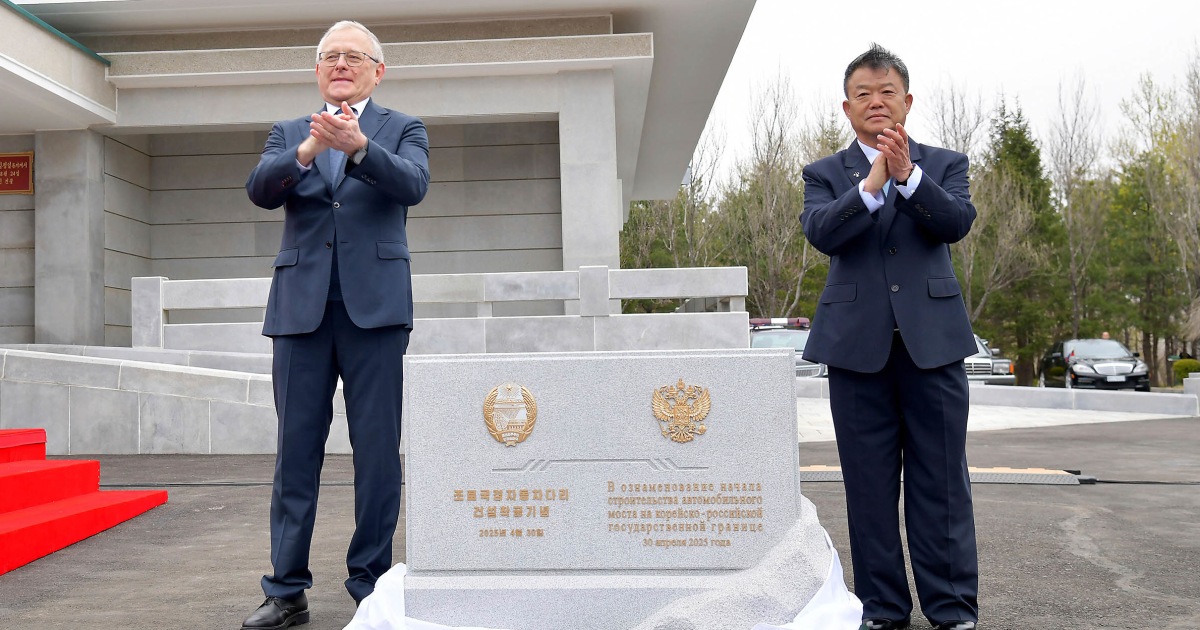
A New Era of Economic Ties: The Russia-North Korea Bridge Unveiled
In a landmark move set to redefine regional trade, Russia and North Korea have unveiled plans for a cross-border bridge connecting the two nations. Announced in late 2023, the infrastructure project aims to bolster economic cooperation, facilitate faster cargo movement, and strengthen diplomatic ties between the historically aligned countries. The bridge, spanning the Tumen River, is expected to be operational by 2026, with both governments hailing it as a “game-changer” for Northeast Asia’s economic landscape.
Strategic Implications for Regional Trade
The proposed 1.2-kilometer bridge will link Russia’s Khasan region with North Korea’s Rason Special Economic Zone, cutting transit times for goods by up to 70%. Analysts project the crossing could handle:
- Over 500,000 metric tons of annual cargo capacity by 2030
- Potential $2.4 billion increase in bilateral trade within five years
- 15-20% reduction in shipping costs for Russian energy exports to Asia
“This isn’t just about concrete and steel—it’s a geopolitical statement,” explains Dr. Elena Petrova, senior fellow at the Moscow Institute of International Relations. “By creating this physical link, Russia gains alternative trade routes amid Western sanctions, while North Korea accesses critical resources like oil and wheat without relying solely on China.”
Diplomatic Reactions and Security Concerns
While Moscow and Pyongyang celebrate the initiative, reactions from other global powers have been mixed. South Korea’s Unification Ministry issued cautious statements urging “transparency” regarding the bridge’s intended use, while U.S. State Department officials expressed concerns about potential sanctions evasion.
Regional security expert James Chen of the Asia-Pacific Policy Institute warns: “The project could destabilize the delicate balance in Northeast Asia. We must monitor whether this infrastructure facilitates not just legitimate trade, but also unauthorized technology transfers or arms shipments.”
Economic Opportunities and Challenges
The bridge promises immediate benefits for both nations’ struggling economies:
For Russia
- New export channels for timber, coal, and petroleum products
- Expanded access to North Korea’s inexpensive labor force
- Enhanced position in China’s Belt and Road Initiative network
For North Korea
- Vital imports of fuel and food amid chronic shortages
- Potential $120 million annual revenue from transit fees by 2028
- Technology transfers from Russian construction firms
However, significant hurdles remain. The region’s harsh winters may cause construction delays, while international banking restrictions could complicate financing. “The engineering is feasible, but the political economy presents bigger questions,” notes infrastructure analyst Mikhail Volkov.
The Human Impact: Border Communities Prepare
In the sleepy Russian border town of Khasan (population 2,400), anticipation mixes with apprehension. Local shopkeeper Irina Fedorova recalls how previous border openings brought both customers and congestion: “When the railway briefly reopened in 2019, we saw trucks day and night. This bridge will change everything—if they remember to upgrade our roads too.”
Across the river, North Korean state media has begun preparing citizens for increased interaction with foreigners, publishing guides on “maintaining revolutionary vigilance during economic cooperation.” Satellite images show new warehouses being constructed near the planned bridgehead, suggesting Pyongyang expects significant cargo flows.
Environmental Considerations
Environmental groups have raised alarms about the Tumen River delta, home to:
- 27 endangered bird species
- Critical spawning grounds for salmon
- UNESCO-designated wetlands
Russian officials assure that the bridge design includes eco-friendly features like wildlife corridors, but conservationists remain skeptical. “These ecosystems survived wars and sanctions—will they survive ‘progress’?” asks Greenpeace East Asia campaigner Li Wei.
Looking Ahead: A Test for Regional Stability
As construction begins this spring, the bridge represents more than infrastructure—it’s a litmus test for Northeast Asia’s future. Success could encourage similar projects along China’s borders, while failure might reinforce isolationist policies. Most observers agree the project’s ultimate impact depends on three factors:
- Compliance with international sanctions regimes
- Transparency in operations and cargo inspections
- Responsiveness to environmental and community concerns
“This bridge is either the first thread in a new web of regional cooperation, or another tension point in a divided neighborhood,” summarizes Georgetown University professor Anthony Russo. “Much depends on whether both nations choose to build trust along with concrete.”
For policymakers and businesses monitoring Northeast Asia’s evolution, one truth becomes clear: the Russia-North Korea bridge will serve as both an economic artery and a political barometer in the coming decade. Those interested in tracking the project’s progress can subscribe to our Asia Trade Watch newsletter for quarterly updates.
See more CCTV News Daily