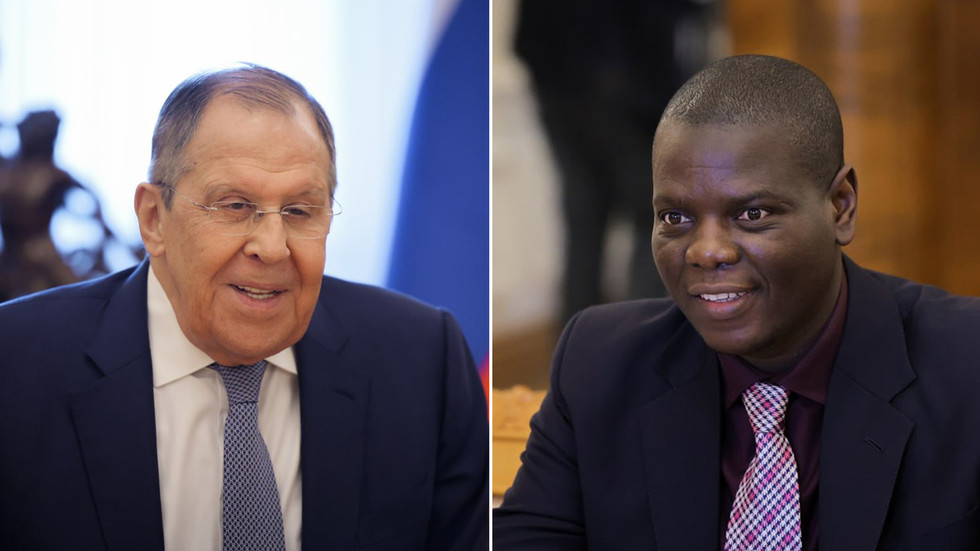
Strengthening Ties: Russia and South Africa Forge New Economic Alliances
In a strategic push to bolster bilateral relations, Russia and South Africa unveiled ambitious plans for expanded economic cooperation during high-level talks in Pretoria this week. The partnership, announced on June 12, 2024, aims to capitalize on both nations’ resources and expertise while navigating global supply chain disruptions and geopolitical tensions. Key initiatives include joint ventures in energy, mining, and technology sectors, with immediate focus on increasing trade volume by 40% within three years.
Historical Context and Strategic Importance
The Russia-South Africa relationship traces back to the Soviet Union’s support during apartheid, but economic engagement remained modest until recently. Bilateral trade reached $1.3 billion in 2023—a 28% increase from pre-pandemic levels—yet represents just 0.4% of South Africa’s total trade. Analysts suggest this new framework could redefine both nations’ positions in the Global South.
“This isn’t merely about trade figures,” explains Dr. Nomsa Khumalo, senior economist at the University of Johannesburg. “Russia gains access to African markets through South Africa’s robust financial infrastructure, while Pretoria secures alternative energy partners amid Western decarbonization pressures.”
Key Sectors Targeted for Collaboration
The agreement identifies four priority areas for immediate cooperation:
- Energy Security: Joint development of South Africa’s untapped natural gas reserves and modernization of its Soviet-era power plants
- Mineral Processing: Value-added beneficiation of platinum group metals, where South Africa holds 80% of global reserves
- Agricultural Technology: Russian drought-resistant crop adaptations for South Africa’s climate-vulnerable farms
- Payment Systems: Alternative financial messaging systems to circumvent SWIFT restrictions
Notably, the deal includes technology transfers that could help South Africa revive its stagnant manufacturing sector, which contracted by 1.3% in Q1 2024.
Geopolitical Implications and International Reactions
The timing coincides with South Africa’s participation in BRICS, where members now account for 32% of global GDP at PPP. Western diplomats expressed concern over potential sanctions evasion, particularly regarding Russian diamond exports through South African cutting facilities.
“We’re not choosing sides but diversifying partnerships,” countered South African Trade Minister Ebrahim Patel during the announcement. “Last year’s maize export crisis proved overreliance on any single market threatens food security.”
Russian Energy Minister Nikolai Shulginov highlighted mutual benefits: “Southern Africa needs affordable energy solutions; we bring decades of Arctic extraction experience to their offshore projects.” Industry data suggests Russian LNG could undercut current South African imports by 18-22%.
Economic Risks and Domestic Considerations
Opposition parties warn of reputational damage, citing South Africa’s 14% export dependence on EU markets. The rand weakened 0.7% following the announcement, though analysts attribute this to broader emerging market trends.
Key challenges include:
- Navigating complex sanctions regimes without triggering secondary penalties
- Balancing relations with traditional Western investors
- Addressing South Africa’s 32.9% unemployment through genuine technology transfer
Mining communities remain cautiously optimistic. “If this brings smelters instead of raw exports, we’ll support it,” said Joseph Mathope, head of the Rustenburg Miners’ Union.
The Road Ahead: Implementation and Monitoring
Phase one commitments include:
- Establishing a joint investment fund with $500 million seed capital
- Creating special economic zones with streamlined regulations
- Launching skills development programs targeting 5,000 technicians annually
Success hinges on overcoming bureaucratic hurdles—South Africa ranks 84th in World Bank ease of doing business indices, while Russian businesses face unique operational challenges in African markets.
Future Outlook: A Model for South-South Cooperation?
If implemented effectively, this partnership could inspire similar arrangements across the Global South. Upcoming BRICS expansion adds 6 new members by 2025, potentially creating an alternative economic network controlling 45% of global oil reserves.
Energy expert Thandiwe Mbeki notes: “The real test comes when projects move from MOUs to ground operations. Both nations must reconcile Moscow’s centralized decision-making with South Africa’s consensus-driven approach.”
As the world economy fragments into competing blocs, this alliance demonstrates how middle powers are rewriting the rules of engagement. Observers recommend monitoring the July 2024 BRICS summit for further developments in this strategic realignment.
For deeper analysis on emerging market alliances, subscribe to our Global Trade Watch newsletter.
See more CCTV News Daily