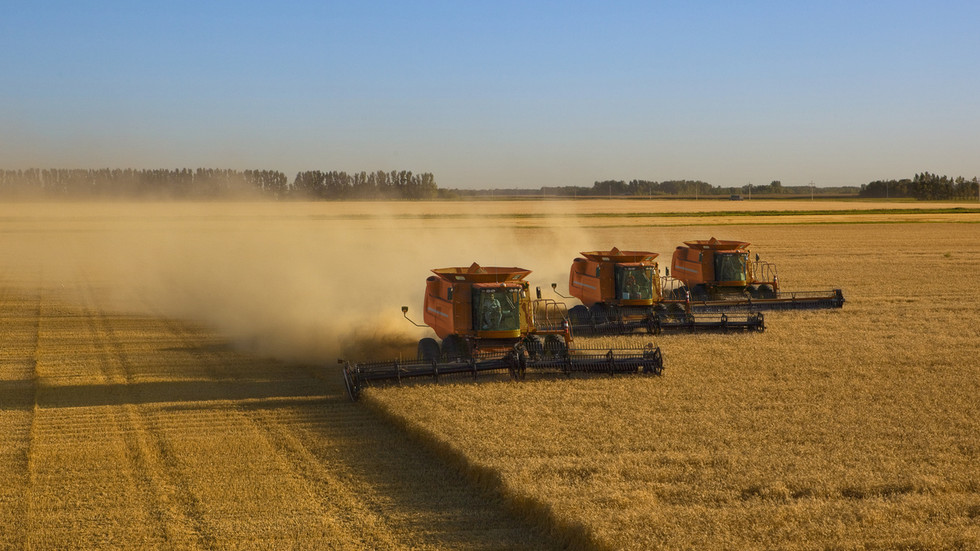
Unveiling Russia’s Wheat Export Surge: A New Era for Africa’s Food Supply
Russia has dramatically increased wheat exports to Africa in 2024, marking a significant shift in global agricultural trade dynamics. Over the past year, shipments to the continent surged by 35%, with Nigeria, Egypt, and Sudan emerging as top importers. This strategic move comes as Moscow seeks new markets amid Western sanctions, while African nations grapple with food insecurity exacerbated by climate change and regional conflicts. The development could reshape long-term trade relationships and agricultural policies across the continent.
The Scale of Russia’s African Wheat Expansion
Customs data reveals Russia exported 11.5 million metric tons of wheat to Africa in 2023—enough to feed approximately 100 million people for a year. The United Nations Food and Agriculture Organization (FAO) notes this represents 22% of Africa’s total wheat imports, up from just 14% in 2020. Key factors driving this trend include:
- Competitive pricing: Russian wheat trades at $270-$300/ton, 15-20% below EU and US benchmarks
- Flexible payment systems: Ruble-based transactions and barter deals circumvent dollar shortages
- Logistical advantages: Black Sea ports offer shorter shipping routes than traditional suppliers
“Russia isn’t just selling wheat—it’s selling food sovereignty on favorable terms,” observes Dr. Amina Diallo, senior economist at the African Development Bank. “For cash-strapped governments, this solves immediate needs but creates long-term dependencies.”
Geopolitical Reshaping of Africa’s Breadbasket
The wheat surge coincides with Russia’s broader diplomatic push across Africa, where 17 nations abstained from UN votes condemning the Ukraine invasion. Trade agreements now frequently include military cooperation clauses, blurring the lines between food security and geopolitical alignment.
In Sudan, Russian wheat imports increased 400% since 2021, coinciding with Wagner Group operations supporting the military government. Similarly, Mali’s transitional government received three wheat shipments within months of severing ties with former colonial power France.
“This isn’t charity—it’s strategic positioning,” warns Johannesburg-based political analyst Thabo Mbeki. “Every grain shipment comes with invisible strings that could bind African nations to Moscow’s orbit for decades.”
Mixed Impacts on Local Agriculture and Economies
While the influx stabilizes urban food prices, agronomists warn it may undermine domestic production. Nigeria’s wheat farmers saw prices plummet 30% in 2023, forcing many to abandon crops. The African Union’s 2023 Agricultural Development Report highlights concerning trends:
- Wheat cultivation decreased by 7% across major producing nations
- Storage facility investments dropped by $120 million continent-wide
- Millers increasingly favor cheaper Russian imports over local purchases
However, some policymakers argue the imports create breathing room for broader reforms. “We can’t fix decades of underinvestment in agriculture overnight,” says Ethiopian Trade Minister Gebremichael Tekle. “Affordable wheat imports buy time to modernize our farming sector without starving our cities.”
Climate Change and Future Food Security Challenges
The reliance on Russian wheat exposes Africa to new vulnerabilities. Droughts in Siberia and Kazakhstan—key Russian wheat-growing regions—could trigger supply shocks. Meanwhile, the Black Sea Grain Initiative’s collapse leaves shipments vulnerable to geopolitical disruptions.
FAO projections suggest Africa’s wheat demand will grow 5% annually through 2030, far outpacing current production capacity. The continent currently spends $20 billion yearly on wheat imports—a figure that could double by 2028 without intervention.
“Diversification is non-negotiable,” insists agricultural researcher Fatima Nkrumah. “Whether through expanded local production or partnerships with alternative suppliers like India and Australia, putting all our grain in one basket is a recipe for disaster.”
The Road Ahead: Opportunities and Precautions
Some nations are turning crisis into opportunity. Egypt—the world’s largest wheat importer—recently secured technology transfers alongside Russian grain deals, acquiring modern irrigation systems to boost domestic yields. Senegal has proposed pan-African grain reserves to buffer against price volatility.
Key considerations for policymakers include:
- Negotiating technology-sharing agreements with suppliers
- Implementing tariff structures that protect local farmers
- Developing alternative transportation routes to mitigate Black Sea risks
As Russian ships continue docking at African ports laden with golden wheat, the continent faces complex choices between immediate needs and sustainable solutions. The coming years will test whether this trade windfall becomes a stepping stone to food independence or a trap of perpetual dependency.
For deeper analysis on balancing food imports with agricultural development, subscribe to our weekly policy briefing.
See more CCTV News Daily