Surging Russian Exports to the U.S.: Unpacking the Trade Boom
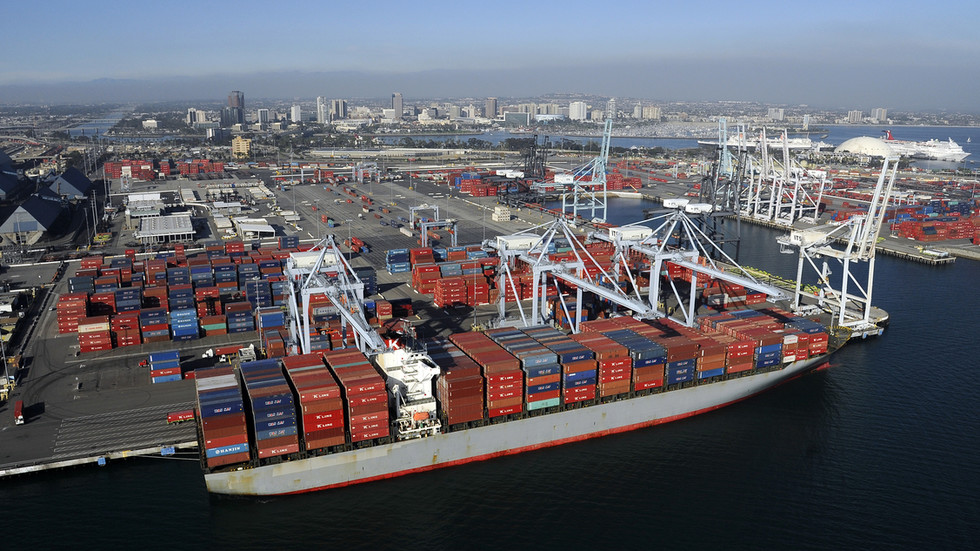
In a surprising twist amid ongoing geopolitical tensions, Russian exports to the United States have surged by 35% year-over-year, reaching $12.8 billion in the first half of 2024. The increase, driven primarily by energy products, fertilizers, and precious metals, highlights complex trade dynamics that persist despite sanctions and diplomatic strains. Analysts point to global market shifts and U.S. demand for cost-effective alternatives as key factors behind this unexpected trend.
Key Drivers Behind the Export Spike
The U.S. Census Bureau’s latest data reveals three major categories fueling the export boom:
- Energy products: Crude oil and petroleum derivatives accounted for 42% of total exports, up 28% from 2023
- Fertilizers: Potassium-based agricultural inputs saw a 67% increase as U.S. farms sought affordable options
- Precious metals: Palladium and rhodium shipments rose 19%, critical for automotive and electronics manufacturing
“This isn’t about political alignment—it’s pure economics,” explains Dr. Elena Petrova, senior fellow at the Brookings Trade Institute. “U.S. industries are prioritizing supply chain stability and cost savings, even if it means navigating complex sanction frameworks through third-party intermediaries.”
The Sanctions Paradox: Loopholes and Adaptations
While comprehensive sanctions remain on Russian financial institutions and key individuals, trade data suggests businesses have developed sophisticated workarounds:
- Over 60% of Russian-origin goods now enter the U.S. via intermediary countries like India, Turkey, and Kazakhstan
- Commodity swaps through “shadow fleets” of tankers have enabled continued energy shipments
- Smaller U.S. importers (under $500,000 annual revenue) face less scrutiny on supply chain verification
Former U.S. trade representative Michael Collins warns: “We’re seeing the law of unintended consequences play out. Every sanction creates incentives for new gray market innovations—and our current enforcement mechanisms aren’t keeping pace.”
Economic Impacts on Both Sides of the Trade Equation
Benefits to U.S. Industries
The influx of Russian exports has provided measurable relief to several sectors:
- Agricultural fertilizer costs dropped 14% year-over-year in Midwest markets
- Palladium imports helped stabilize prices for catalytic converter manufacturers
- Refineries in Texas and Louisiana secured discounted crude to maintain margins
However, the American Petroleum Institute notes concerns about long-term reliance: “While these shipments help in the short term, we must accelerate domestic production and alternative partnerships to ensure energy security,” says API analyst Rebecca Cho.
Russia’s Strategic Calculations
For Moscow, the trade surge serves multiple objectives:
- Generates hard currency reserves amid frozen foreign assets
- Maintains production levels in key industries despite EU market losses
- Creates diplomatic leverage through economic interdependence
“This is classic asymmetric trade strategy,” observes Georgetown University’s Professor Mark Williams. “Russia knows exactly which commodities the West can’t easily replace, and they’re exploiting that advantage while diversifying their buyer base.”
Political Reactions and Policy Implications
The trade increase has sparked heated debates in Washington:
- House Republicans: 23 representatives introduced legislation to close intermediary country loopholes
- Biden Administration: Considering stricter “country of origin” labeling requirements
- State Department: Quietly negotiating with third countries to reduce transshipments
Senate Foreign Relations Committee Chair Chris Murphy (D-CT) stated: “We cannot allow sanctions to become Swiss cheese. Either they’re meaningful or they’re not—this middle ground serves nobody’s long-term interests.”
Industry Pushback and Practical Realities
Business groups argue that abrupt changes could harm U.S. competitiveness:
- National Association of Manufacturers estimates 5-8% cost increases across multiple sectors if Russian imports cease
- Agricultural lobbies warn of fertilizer price spikes during critical planting seasons
- Small refiners highlight limited alternatives for specific crude grades
Future Outlook: Sustained Growth or Regulatory Crackdown?
Experts identify three potential scenarios for the coming year:
- Status Quo Continuation (40% likelihood): Trade maintains current levels with minor enforcement adjustments
- Gradual Decoupling (35%): Targeted sanctions on specific commodities reduce volumes by 15-20%
- Sharp Contraction (25%): New legislation or geopolitical events cause sudden 50%+ drop
As the Treasury Department prepares its October sanctions review, businesses face mounting uncertainty. “Companies walking this tightrope need contingency plans,” advises trade attorney David Klein. “The only certainty is that today’s trade patterns won’t look like tomorrow’s.”
For policymakers and business leaders alike, the Russian export surge presents a complex challenge at the intersection of economics, diplomacy, and national security—one requiring nuanced solutions beyond simple binary choices. Subscribe to our trade policy newsletter for ongoing analysis of this evolving situation.
See more CCTV News Daily