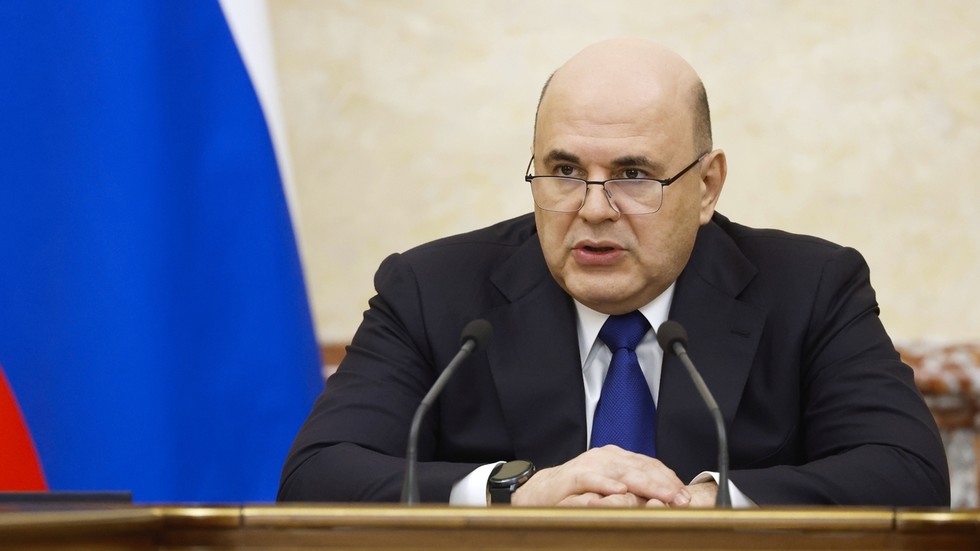
Russian Economy Surges: A 4.1% Growth in 2024 Revealed by Mishustin
In a surprising turn of events, Russian Prime Minister Mikhail Mishustin announced a remarkable 4.1% growth in the country’s GDP for 2024. This unexpected announcement has sparked interest and curiosity about what factors are driving this economic upturn and its implications for the global market. After enduring substantial challenges in recent years, including international sanctions and economic downturns, this news marks a pivotal moment for Russia’s economic landscape.
The Current State of the Russian Economy
The Russian economy has faced numerous hurdles over the last few years. The effects of sanctions imposed by Western nations following geopolitical tensions, fluctuations in oil prices, and the impacts of the COVID-19 pandemic have all contributed to a complex economic environment. However, the reported growth suggests a potential rebound and resilience that could reshape perceptions about Russia’s economic stability.
Key Factors Driving the 4.1% Growth
Several factors contribute to the optimistic forecast for 2024:
- Increased Energy Exports: Russia remains one of the world’s largest exporters of oil and natural gas. The demand for energy resources, particularly in Asia, has provided a significant boost to the economy. With Europe reducing its dependence on Russian energy, the shift towards Asian markets, especially China and India, has opened new avenues for trade.
- Domestic Demand Recovery: As the effects of the pandemic continue to wane, domestic consumption is expected to rise. The government’s efforts to stimulate the economy through social programs and infrastructure projects have the potential to enhance consumer confidence and spending.
- Manufacturing and Industrial Growth: The Russian government has prioritized the development of its manufacturing sector. Investments in technology and modernization of industries are likely to yield higher productivity and efficiency, contributing to overall economic growth.
- Currency Stabilization: The Russian ruble has shown signs of stabilization after experiencing volatility. A stable currency can encourage investment, both domestically and internationally, enhancing economic prospects.
Implications for Global Markets
The announcement of a 4.1% growth in the Russian economy presents several implications for global markets. Investors, analysts, and policymakers are keenly observing how this growth translates into actual market performance and geopolitical dynamics.
- Shifts in Investment Patterns: With Russia’s economy showing signs of recovery, foreign investors may reconsider their positions. Increased investment could lead to more collaborative ventures and partnerships, particularly in the energy sector.
- Influence on Global Energy Prices: As Russia continues to be a key player in the energy market, its economic performance will likely influence global oil and gas prices. A robust Russian economy may lead to increased production levels, affecting supply chains worldwide.
- Geopolitical Dynamics: The growth may alter the balance of power in international relations. If Russia successfully revitalizes its economy, it could regain leverage in negotiations with Western nations and enhance its influence in global affairs.
Challenges Ahead
Despite the optimistic outlook, several challenges remain that could impact the sustainability of this growth:
- Continued Sanctions: The possibility of enduring or even new sanctions from Western countries poses a significant risk to Russian economic recovery. The geopolitical landscape remains volatile, and any escalation in tensions could adversely affect growth.
- Dependence on Energy Exports: The Russian economy’s heavy reliance on energy exports makes it vulnerable to global price fluctuations. A downturn in energy prices could negate the benefits of the current growth.
- Domestic Economic Reforms: To ensure sustainable growth, Russia needs to implement comprehensive reforms in various sectors, including finance, technology, and social services. Without these reforms, growth may be short-lived.
Future Prospects
Looking forward, the Russian economy’s performance in 2024 will depend on how effectively it navigates the aforementioned challenges. The government’s ability to foster an environment conducive to investment, innovation, and growth will be crucial. Mishustin’s government has emphasized the importance of diversifying the economy beyond oil and gas, which could mitigate risks associated with global energy market fluctuations.
In the face of adversity, the resilience displayed by the Russian economy is noteworthy. If the projected growth comes to fruition, it could signal a transformative period for Russia, affecting not just its citizens but also the international community.
Conclusion
In conclusion, the announcement of a 4.1% growth in the Russian economy by Prime Minister Mikhail Mishustin is a beacon of hope amid a challenging economic landscape. While the path forward is fraught with uncertainties, the potential for recovery and growth is evident. By focusing on diversification, continued investment in key sectors, and strategic international partnerships, Russia could redefine its economic narrative in 2024 and beyond. Investors and global markets will be watching closely as the situation unfolds, hoping for stability and growth in this crucial region of the world.
See more CCTV News Daily