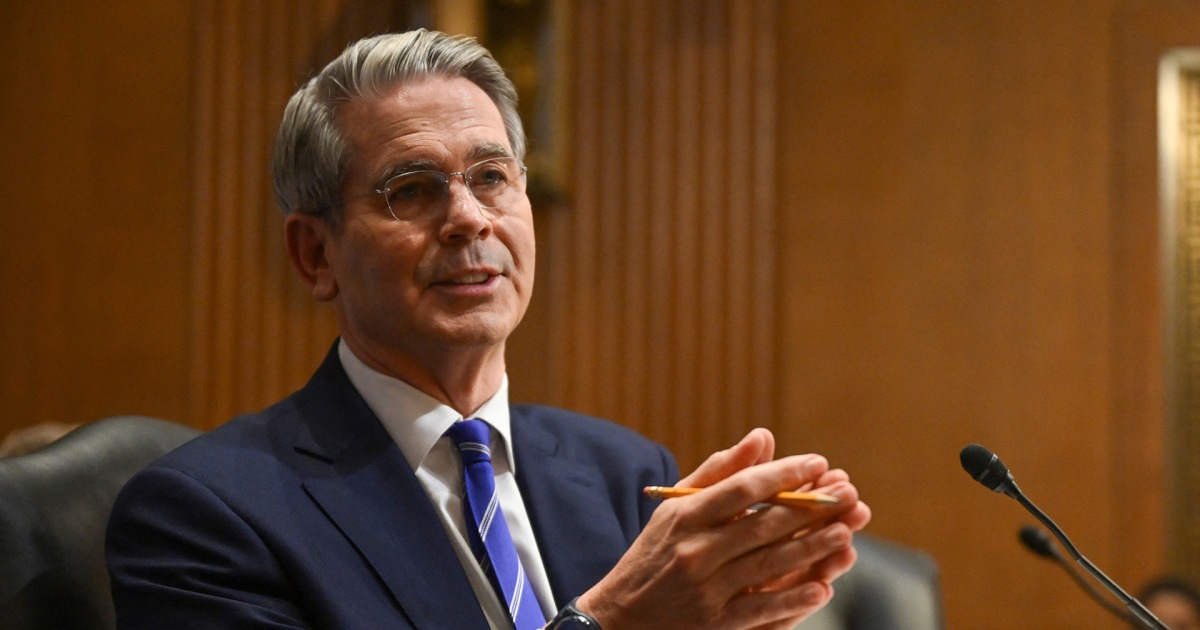
Scott Bessent Challenges the Case for Raising the Federal Minimum Wage
In recent years, the debate surrounding the federal minimum wage has intensified, inviting a multitude of perspectives from economists, policymakers, and business leaders. Among the prominent voices in this discussion is Scott Bessent, a seasoned investor and financial strategist, who presents a compelling argument against increasing the federal minimum wage. Bessent’s insights delve into the potential economic ramifications of such a move, advocating instead for alternative solutions that address wage disparities without imposing blanket increases that could have unintended consequences.
The Economic Landscape and Minimum Wage Considerations
As of 2023, the federal minimum wage stands at $7.25 per hour, a figure that has remained unchanged since 2009. Advocates for raising the minimum wage argue that it is essential for ensuring a living wage, reducing poverty, and stimulating economic growth. However, Bessent challenges this notion by emphasizing the complex interplay between wages, employment, and the broader economy.
Bessent points out that while increasing the minimum wage might seem beneficial in the short term, it could lead to job losses and reduced hours for workers. Businesses facing higher labor costs may respond by cutting back on hiring, reducing employee hours, or even automating certain jobs, ultimately harming the very workers the wage increase aims to help. He notes that small businesses, which are often the backbone of local economies, may struggle to absorb these increased costs, leading to closures and further job losses.
Alternative Solutions Proposed by Bessent
In his critique, Scott Bessent suggests that rather than raising the federal minimum wage, policymakers should explore alternative solutions that address the root causes of wage stagnation and economic inequality. Some of the proposals he advocates for include:
- Targeted Tax Credits: Implementing or expanding tax credits for low-income workers could provide immediate financial relief without imposing burdensome costs on employers. The Earned Income Tax Credit (EITC) is an example of a program that incentivizes work while supporting low-income families.
- Investment in Education and Training: By investing in workforce development and education, the government can equip workers with the skills necessary to compete in a rapidly changing job market. This enhances their employability and allows them to command higher wages based on their skills and productivity.
- Encouraging Business Growth: Creating a favorable environment for businesses to thrive can lead to job creation and wage increases. This includes reducing regulatory burdens, providing access to capital, and fostering innovation.
Understanding the Broader Economic Implications
Bessent’s argument is not solely about wages; it encompasses a broader understanding of economic dynamics. He emphasizes that a one-size-fits-all approach to wage increases fails to consider regional disparities in the cost of living. For instance, a $15 minimum wage may be feasible in urban areas with high living costs but could be detrimental in rural regions where the cost of living is significantly lower.
Moreover, Bessent highlights the potential inflationary effects of raising the minimum wage. As businesses pass on increased labor costs to consumers, prices for goods and services may rise, negating the purchasing power gains for minimum wage earners. This cyclical effect can create a situation where the intended beneficiaries of a wage increase end up facing higher living costs, thus undermining the very purpose of the policy.
Engaging in a Constructive Dialogue
Scott Bessent’s challenge to the case for raising the federal minimum wage is not merely a rejection of the idea but an invitation to engage in a more nuanced discussion about wage policies. His perspective encourages stakeholders to consider the complexities of the labor market and the potential consequences of policy changes. It calls for a reevaluation of how we approach economic support for low-income workers.
In a landscape where economic inequality continues to rise, it is crucial to explore innovative solutions that address the needs of workers without jeopardizing job opportunities. By focusing on education, targeted financial assistance, and fostering a conducive environment for business growth, we can create a more sustainable path toward improving the livelihoods of the workforce.
The Importance of Comprehensive Policy Review
As the conversation around the federal minimum wage evolves, it is essential for policymakers to consider comprehensive reviews of wage policies. This includes analyzing the impacts of existing wage structures, the effectiveness of social safety nets, and the role of economic growth in wage increases. Bessent’s insights underscore the importance of data-driven decision-making that incorporates diverse perspectives and empirical evidence.
While the desire to support low-wage workers is commendable, it is vital to approach wage policy with a clear understanding of its broader economic implications. Engaging with experts like Scott Bessent can provide valuable insights that help navigate the complexities of wage policies and their impacts on the economy.
Conclusion: A Call for Thoughtful Solutions
In conclusion, Scott Bessent challenges the case for raising the federal minimum wage by highlighting the potential economic ramifications and advocating for alternative solutions. His perspective encourages us to think critically about wage policies and their impact on the workforce. As we navigate these discussions, it is imperative to engage in thoughtful dialogue that prioritizes sustainable solutions, ensuring that we address the needs of workers while fostering a thriving economy.
Ultimately, the goal should be to create an environment where all workers can thrive, supported by policies that promote economic growth, skill development, and fair compensation. By focusing on innovative approaches and comprehensive reviews of existing policies, we can work towards a more equitable and prosperous future for all members of the workforce.
See more CCTV News Daily