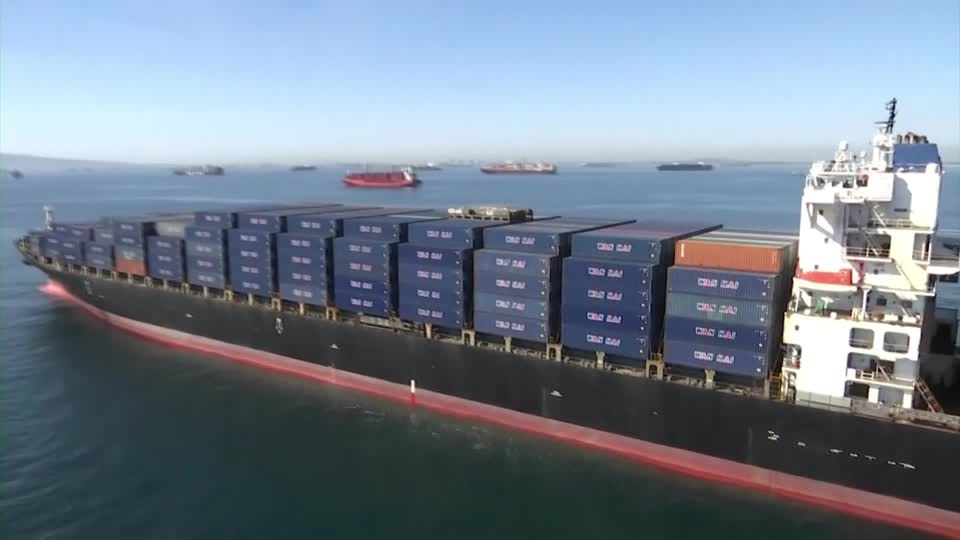
US to Impose Shipping Fees on China-Linked Vessels: Understanding the Implications
In a strategic maneuver aimed at countering escalating tensions with China, the United States has announced plans to impose shipping fees on vessels linked to Chinese interests. This bold decision not only reflects the ongoing geopolitical rivalry but also serves as a call to allies to adopt similar measures. As nations across the globe grapple with the ramifications of this policy, a significant shift in international trade dynamics may be on the horizon.
The Rationale Behind the Fees
The rationale for introducing shipping fees on China-linked vessels stems from a variety of factors, primarily centered around national security and economic integrity. The U.S. government has expressed concerns regarding the influence of Chinese shipping companies on global supply chains, particularly in sensitive industries such as technology and defense.
- National Security: By targeting vessels associated with China, the U.S. aims to mitigate the risks of espionage and data theft, which have become increasingly prevalent in the digital age.
- Trade Imbalances: The United States has long been concerned about the trade imbalance with China, and imposing fees could serve as a tool to level the playing field.
- Allied Support: The U.S. is actively encouraging its allies to join in this initiative, signaling a united front against perceived economic aggressions from China.
Impacts on International Trade Dynamics
Imposing shipping fees on China-linked vessels is poised to reshape international trade dynamics significantly. Here’s how:
- Increased Shipping Costs: Vessels linked to Chinese companies will face additional fees, leading to higher overall shipping costs. This may prompt companies to rethink their supply chain strategies.
- Shift in Trade Routes: As shipping costs rise, businesses may look for alternative routes or partners, potentially benefiting countries outside of China.
- Market Reactions: Financial markets may react to news of these fees, impacting stock prices of companies heavily reliant on Chinese trade.
Global Reactions and Potential Backlash
While the U.S. aims to rally its allies around this initiative, reactions from other nations are mixed. Some countries may view this as an opportunity to distance themselves from reliance on China, while others could see it as an escalation of trade hostilities.
- Support from Allies: Countries such as Japan, Australia, and members of the European Union might align with the U.S. stance, recognizing the importance of safeguarding their economic interests.
- Concerns from Developing Nations: Many developing countries that rely on trade with China may express concerns about the potential ripple effects on their economies.
- Retaliation from China: China has historically responded to perceived economic threats with retaliatory measures, which could escalate tensions further.
The Call to Allies: Building a Coalition Against Economic Aggression
The U.S. government’s call to its allies to implement similar shipping fees reflects a strategic approach to collective security in economic matters. By fostering cooperation, the U.S. aims to create a unified front that could effectively counter China’s growing influence in global trade.
Forming a coalition may provide several advantages:
- Enhanced Economic Resilience: By collectively imposing fees, allied nations can strengthen their economic positions and reduce dependency on Chinese trade routes.
- Shared Intelligence: Collaboration among allies can lead to improved intelligence sharing regarding potential security threats posed by Chinese shipping activities.
- Unified Diplomatic Efforts: A coalition can strengthen diplomatic efforts to address broader issues related to China’s economic practices, including intellectual property theft and unfair trade practices.
Challenges Ahead
While the initiative to impose shipping fees on China-linked vessels is ambitious, it is not without challenges. The complexities of international trade and the interconnectedness of global supply chains present significant hurdles:
- Compliance and Enforcement: Monitoring and enforcing these fees on a global scale will require robust mechanisms, which may be difficult to implement.
- Economic Repercussions: The potential for economic backlash, not just from China but also from third-party nations adversely affected by increased shipping costs, must be carefully considered.
- Domestic Opposition: Within the U.S., there may be opposition from businesses that rely heavily on Chinese imports, highlighting the need for a balanced approach.
Looking Ahead: The Future of Economic Diplomacy
The decision to impose shipping fees on China-linked vessels is a reflection of a broader trend towards economic diplomacy, where nations leverage trade policies as tools for geopolitical strategy. As the U.S. embarks on this path, several outcomes are possible:
- Shift in Global Manufacturing: Companies may seek to relocate manufacturing operations to countries that align more closely with U.S. interests, leading to potential economic growth in those regions.
- Innovative Trade Agreements: The U.S. may pursue new trade agreements that prioritize economic security and promote fair trade practices.
- Increased Investment in Alternative Markets: By diversifying trade partnerships, nations can mitigate risks associated with over-reliance on China.
Conclusion: A New Era of Economic Diplomacy
The U.S. decision to impose shipping fees on China-linked vessels marks a significant turning point in international trade relations. As the global landscape continues to evolve, the potential for reshaping economic diplomacy is vast. By calling on allies to join this initiative, the U.S. is not only addressing immediate concerns but also laying the groundwork for a more resilient and secure economic future. The success of this strategy will depend on cooperation, adaptability, and a commitment to safeguarding national interests while fostering global stability.
See more CCTV News Daily