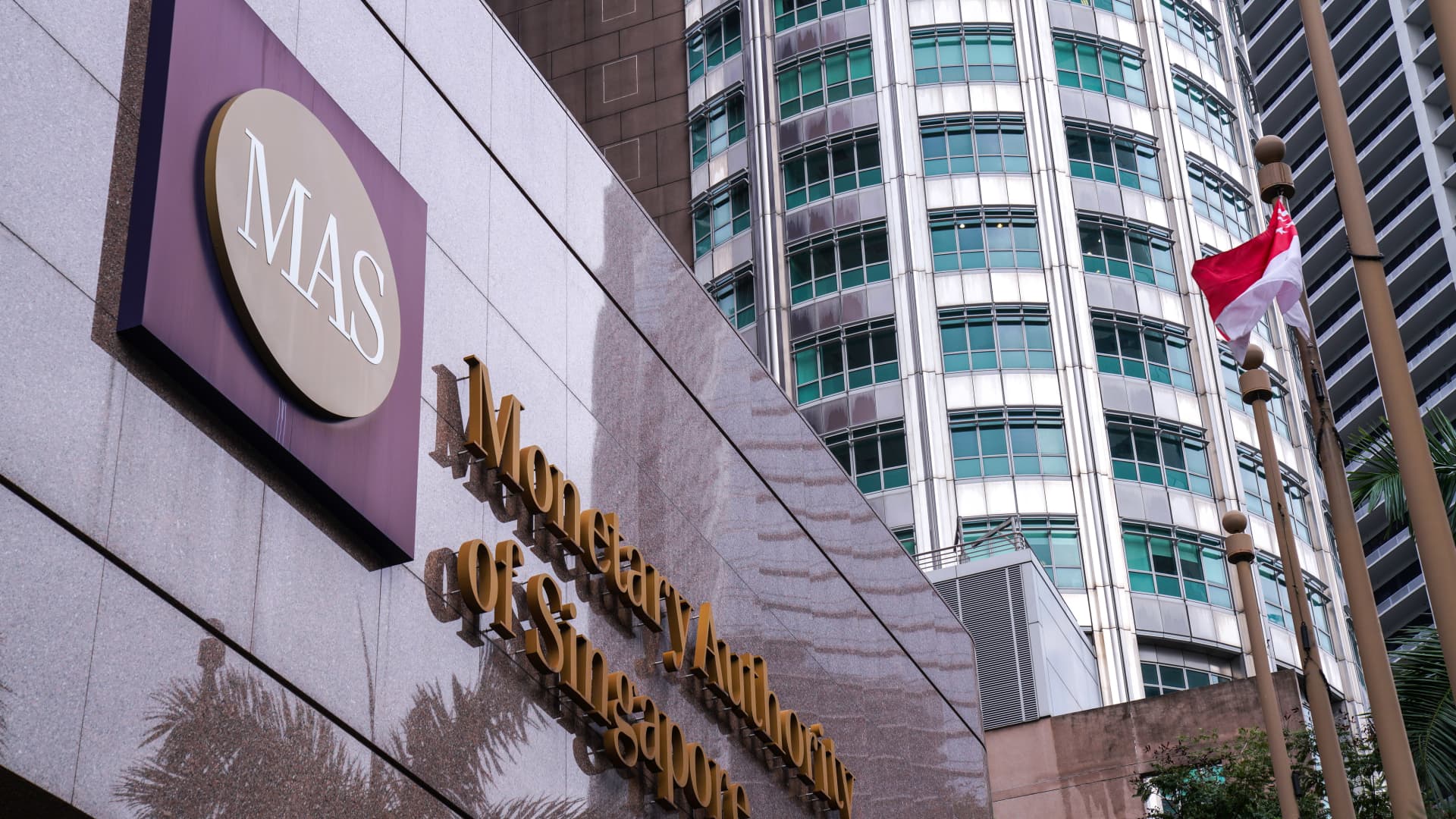
Singapore’s Inflation Plummets: Understanding the Current Economic Shift
In a surprising turn of events, Singapore’s inflation rates have dropped to a four-year low, significantly deviating from the projections set forth by the Monetary Authority of Singapore (MAS) for 2025. This unexpected decline in inflation has sparked discussions about the implications for both consumers and businesses in the Lion City. Understanding the underlying factors contributing to this situation, its potential impacts, and future economic outlook becomes crucial in navigating this evolving landscape.
The Current State of Inflation in Singapore
As of the latest reports, Singapore’s inflation rate fell to a mere 1.5%, a stark contrast to the MAS’s forecast of approximately 2.5% for the upcoming years. This sharp decline can be attributed to various factors, including falling global commodity prices, subdued demand in certain sectors, and the successful implementation of government policies aimed at stabilizing prices.
Historically, Singapore has experienced fluctuating inflation rates, often influenced by external factors such as global economic conditions and supply chain disruptions. However, this recent drop signifies a more profound shift in the economic environment, prompting a need for closer examination.
Factors Contributing to the Decline in Inflation
Several key factors have played a pivotal role in driving Singapore’s inflation down:
- Global Commodity Prices: The decline in the prices of essential commodities, including oil and raw materials, has directly impacted inflation. As these costs decrease, businesses can pass on savings to consumers, leading to lower prices overall.
- Supply Chain Resilience: Improvements in supply chain management and logistics have reduced bottlenecks that previously drove up costs. Enhanced efficiency means that goods are more readily available at stable prices.
- Government Policies: The Singaporean government has implemented various measures aimed at curbing inflation, including price controls on essential goods and services. These policies have proved effective in shielding consumers from sudden price hikes.
- Subdued Consumer Demand: A cautious consumer sentiment has led to reduced spending, particularly on non-essential items. This decline in demand has resulted in sellers lowering prices to attract buyers.
Implications for Consumers and Businesses
The drop in inflation presents both opportunities and challenges for different segments of the economy:
For Consumers
Lower inflation rates are generally good news for consumers. When prices stabilize or decline, purchasing power increases, allowing households to stretch their budgets further. Some potential benefits include:
- Increased Disposable Income: With prices stabilizing, consumers may find themselves with more disposable income to spend on savings or investments.
- Affordability of Goods: Essential goods and services becoming more affordable can lead to improved living standards for many.
- Greater Confidence in Spending: As inflation fears subside, consumers may feel more confident in making larger purchases, such as homes or cars.
For Businesses
On the flip side, businesses may face a mixed bag of outcomes:
- Pricing Strategies: Companies will need to adjust their pricing strategies to remain competitive. While lower costs may allow for price reductions, businesses must also consider their profit margins.
- Cost Management: With inflation dropping, businesses may find relief in managing operational costs, allowing them to invest in growth and development.
- Market Competition: A lower inflation environment may increase competition as businesses vie for consumer attention, leading to innovations and better services.
The Broader Economic Context
The unexpected drop in inflation rates raises questions about the overall economic trajectory of Singapore. While a lower inflation rate is typically a sign of economic stability, it can also indicate underlying weaknesses, such as reduced consumer spending or economic stagnation. Analysts are closely monitoring various indicators to gauge the health of Singapore’s economy:
- GDP Growth: Understanding how inflation interacts with GDP growth will be crucial. A stagnant or declining GDP alongside low inflation could signal economic challenges.
- Employment Rates: Employment figures will be pivotal in understanding consumer spending capacity. A thriving job market typically correlates with increased consumer confidence and spending.
- Global Economic Trends: As a small, trade-dependent economy, Singapore is sensitive to global economic trends. Changes in major trading partners’ economies could have ripple effects on local inflation rates.
Looking Ahead: What Does the Future Hold?
Considering the current inflation landscape, the future may hold several possibilities for Singapore:
- Continued Price Stability: If global commodity prices remain low and consumer demand stays subdued, inflation may continue to fall, benefiting consumers.
- Potential for Economic Recovery: Should businesses adapt successfully to this inflationary environment, there’s potential for economic recovery and growth, fostering a more robust economy.
- Policy Adjustments: The MAS may need to adjust its monetary policy in response to these changes, potentially leading to shifts in interest rates and other economic levers.
Conclusion
In summary, Singapore’s inflation has plummeted to a four-year low, a surprising shift that could reshape the economic landscape. This decline brings both opportunities and challenges for consumers and businesses alike. While it offers consumers a reprieve from rising prices, it also necessitates strategic adjustments for businesses navigating this new terrain. As Singapore continues to adapt to these economic changes, stakeholders must remain vigilant, monitoring indicators that will shape the future of the economy in the years to come. The unexpected nature of this development serves as a reminder of the complexities of the global economy and its direct impact on local markets.
See more CCTV News Daily