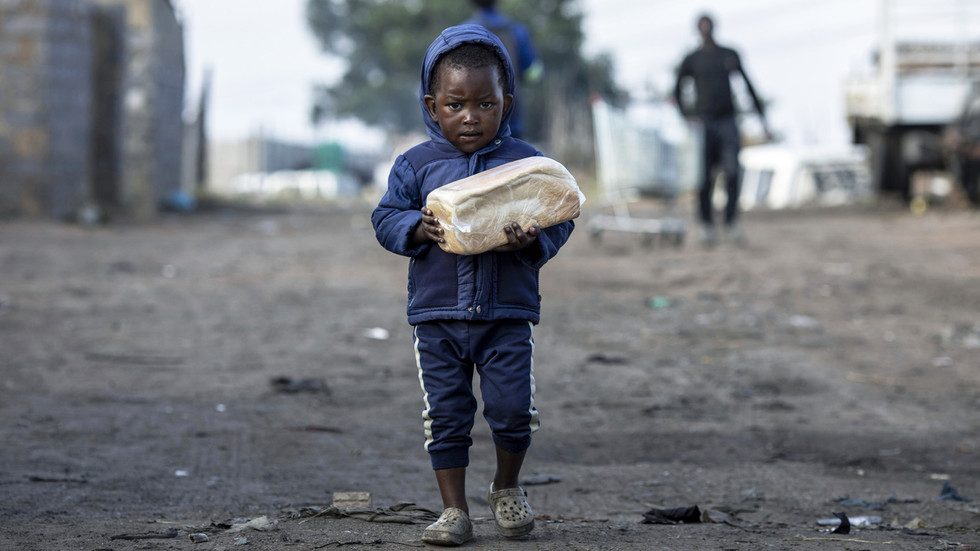
Understanding the Scope of Social Grant Dependency in South Africa
In South Africa, a staggering 25 million citizens rely on social grants for their daily sustenance, revealing a profound dependence that raises urgent questions about the nation’s economic resilience and the efficacy of its social welfare system. This dependency affects nearly half of the population, highlighting systemic issues that extend beyond mere financial assistance.
The Current Landscape of Social Grants
Social grants in South Africa encompass various forms of financial aid, including child support grants, old age pensions, and disability grants. According to the South African Social Security Agency (SASSA), these grants serve as a lifeline for millions, particularly in a country where unemployment rates hover around 35%. The grants, which totaled approximately R200 billion (about $13 billion) in the last fiscal year, are integral to maintaining a semblance of economic stability for vulnerable populations.
Types of Social Grants
- Child Support Grant: A monthly payment aimed at alleviating poverty among households with children.
- Old Age Pension: Financial support for citizens aged 60 and above, acknowledging their contributions to society.
- Disability Grant: Assistance for individuals unable to work due to physical or mental impairments.
Economic Implications of Grant Dependency
The reliance on social grants poses significant challenges to South Africa’s economic framework. While these grants provide immediate relief, they often create a cycle of dependency that can hinder economic mobility. Research from the Institute for Poverty, Land and Agrarian Studies (PLAAS) indicates that the sustainability of such a large-scale grant system could be at risk, especially as the country grapples with sluggish economic growth.
Long-Term Economic Consequences
Over-reliance on social grants can lead to several long-term economic consequences, including:
- Stagnation of Workforce Participation: Many individuals may opt out of the job market, relying instead on government support.
- Increased Fiscal Pressure: Maintaining high levels of grant distribution can strain government budgets, potentially leading to cuts in other essential services.
- Undermining Local Economies: With many households depending on grants, local businesses may struggle to thrive, as consumer spending remains limited.
Social Welfare System: A Double-Edged Sword
The social welfare system in South Africa, while crucial for many, is often criticized for its inefficiencies and the potential for abuse. The process of application and disbursement can be cumbersome, with many eligible citizens facing barriers in accessing the funds they desperately need. Furthermore, the stigma associated with receiving social grants can deter individuals from seeking necessary assistance.
Systemic Challenges
Several systemic challenges contribute to the inefficiencies of the social welfare system:
- Bureaucratic Hurdles: Lengthy application processes often leave potential beneficiaries in limbo.
- Corruption and Mismanagement: Instances of fraud and misallocation of funds compromise the integrity of the system.
- Lack of Outreach: Many eligible individuals remain unaware of their entitlement to grants, primarily in rural areas.
A Path Forward: Rethinking Social Grants
To address the challenges posed by grant dependency, a comprehensive reevaluation of South Africa’s social welfare policies is essential. Experts suggest a multi-faceted approach that includes:
- Enhancing Job Creation: Fostering an environment conducive to job growth can reduce dependency on grants.
- Streamlining Applications: Simplifying the application process and increasing outreach efforts can help more individuals access support.
- Promoting Financial Literacy: Educating citizens about financial management can empower them to utilize grants effectively.
Looking Ahead: The Future of Social Grants in South Africa
As South Africa navigates its complex socio-economic landscape, the future of social grants will likely be shaped by ongoing debates about economic policy, social justice, and the role of the government in citizens’ lives. While grants are essential for immediate relief, the focus must shift toward creating sustainable solutions that foster economic independence.
Conclusion: A Call to Action
The dependence of 25 million South Africans on social grants is both a call for immediate assistance and a challenge to rethink long-term strategies. As a society, it is crucial to advocate for policies that not only provide support but also encourage self-sufficiency and empowerment. Stakeholders, from government officials to community organizations, must collaborate to create a more resilient and equitable system.
Join the conversation: Share your thoughts on how South Africa can innovate its social welfare system to better serve its citizens and promote economic growth.
See more CCTV News Daily