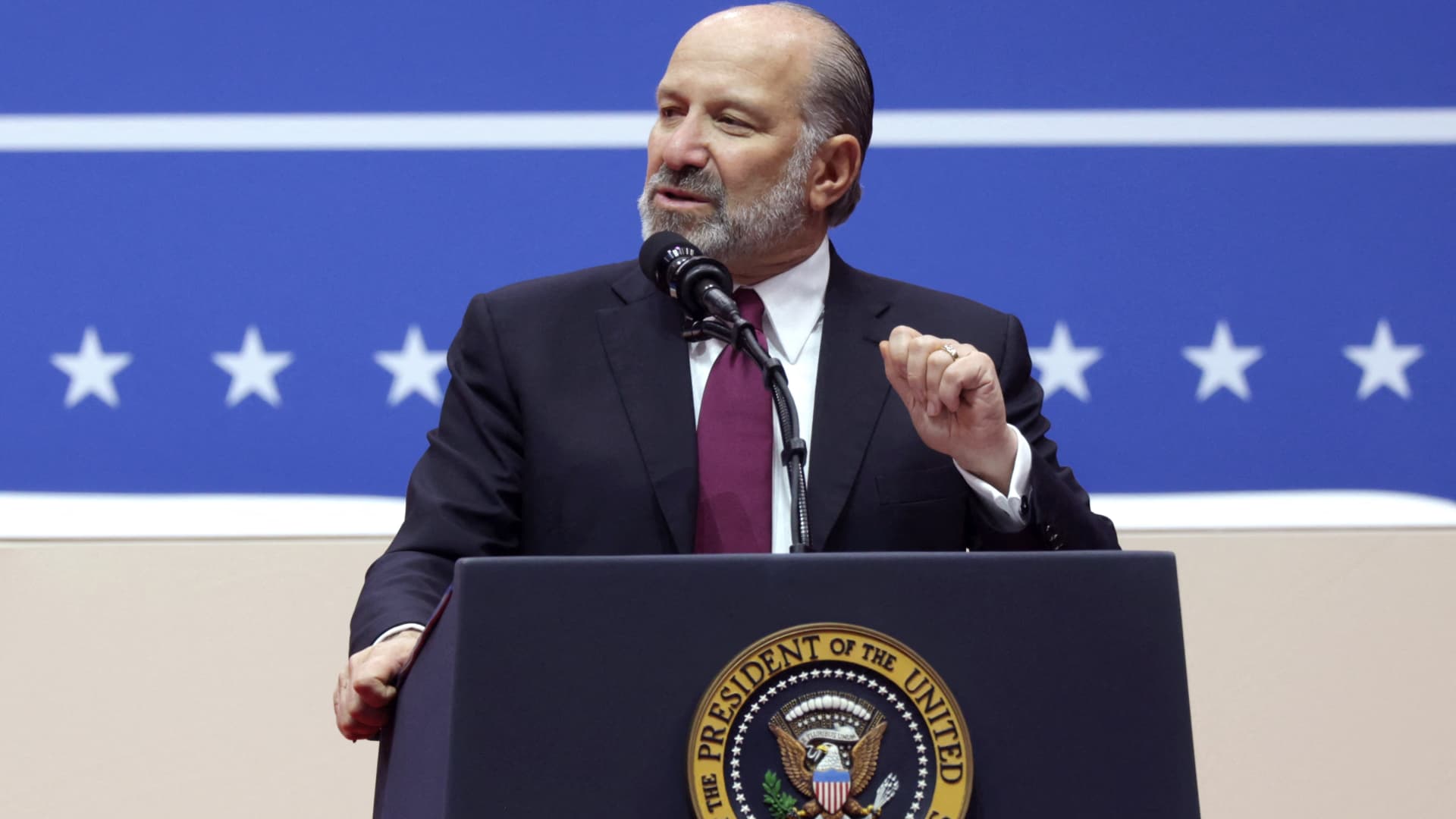
Unpacking the Uncertainty: Are Tariff Exemptions for Electronics Here to Stay?
The Trump administration’s Commerce Secretary recently reignited debates over tariff exemptions for electronics, leaving businesses and consumers questioning whether smartphones, computers, and other tech products will retain their protected status. As trade policies evolve, industry leaders warn of potential price hikes and supply chain disruptions, while economists analyze the broader implications for global commerce.
The Current State of Electronics Tariff Exemptions
Since 2018, Section 301 tariffs have imposed levies on $370 billion worth of Chinese imports, but critical electronics categories have enjoyed temporary reprieves. These exemptions, covering approximately $34 billion in annual tech imports, were initially designed as stopgap measures while alternative supply chains developed. However, three years later, many manufacturers still rely heavily on these provisions.
Recent Commerce Department statements suggest a policy reassessment may be imminent. “The exemptions were never intended as permanent solutions,” noted former U.S. Trade Representative Robert Lighthizer in a recent interview. “We’re now evaluating whether domestic production has reached sufficient capacity to justify lifting these protections.”
Industry Reactions and Economic Impacts
The Consumer Technology Association reports that revoking exemptions could:
- Increase smartphone prices by 12-18% on average
- Add $120-200 to the cost of mid-range laptops
- Disrupt inventory for 73% of small electronics retailers
“This isn’t just about big tech firms,” explains MIT supply chain expert Dr. Elaine Zhao. “The entire ecosystem—from component manufacturers to neighborhood repair shops—would feel the ripple effects. Many businesses structured their operations around these tariff relief measures.”
The Geopolitical Context of Tech Tariffs
Behind the economic calculations lies a strategic chess match. The Biden administration has maintained most Trump-era China policies while attempting to recalibrate their implementation. Recent moves to bolster domestic semiconductor production through the CHIPS Act suggest a long-term vision less dependent on tariff exemptions.
Trade analyst Mark Harrison observes: “The exemptions bought time for reshoring initiatives, but progress has been slower than anticipated. The administration now faces pressure from both sides—manufacturers pleading for extensions and labor groups demanding tougher China policies.”
Consumer Consequences and Market Reactions
Retail data paints a concerning picture if exemptions lapse:
- Projected 6-9 month price stabilization period
- Potential 15% reduction in new product launches
- Increased refurbished market activity
Best Buy and other major retailers have quietly begun contingency planning. “We’re seeing inventory strategies shift already,” notes retail consultant Sarah Chen. “Some vendors are front-loading orders, while others explore alternative sourcing from Vietnam and Mexico.”
What’s Next for Electronics Trade Policy?
The coming months will prove decisive as:
- The Commerce Department completes its review by Q1 2024
- Congress considers new trade legislation
- Industry groups prepare legal challenges
Meanwhile, the White House walks a tightrope between economic pragmatism and political positioning. As one administration official confided (on condition of anonymity): “There’s no perfect solution—just varying degrees of disruption.”
Preparing for Multiple Scenarios
Smart businesses are developing flexible strategies:
- Diversifying supplier networks beyond China
- Investing in tariff engineering solutions
- Building price fluctuation reserves
“The only certainty is volatility,” warns international trade attorney David Muller. “Companies that prepared during the exemption period will weather changes better than those that didn’t see this coming.”
For consumers concerned about potential price increases, experts recommend monitoring back-to-school and holiday sales cycles for optimal purchasing opportunities before any policy changes take effect. Subscribe to our trade policy newsletter for real-time updates on this developing story.
See more CCTV News Daily