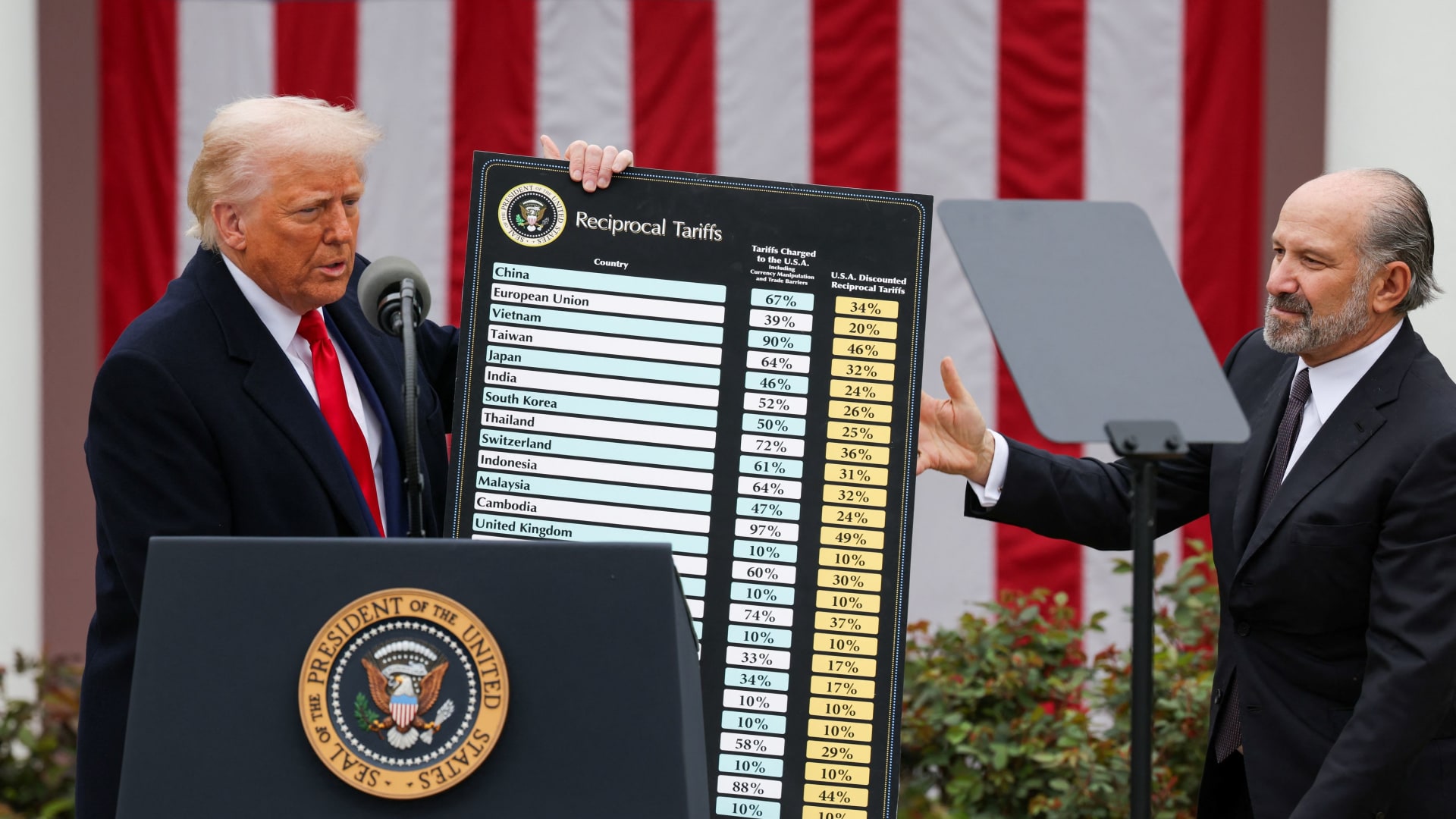
Lutnick Predicts Long-Term Stability of 10% Baseline Tariff
In a significant economic forecast, Howard Lutnick, CEO of Cantor Fitzgerald, predicted that the 10% baseline tariff on imported goods will likely persist for years, reshaping global trade strategies. Speaking at a financial summit in New York this week, Lutnick cited geopolitical tensions and domestic manufacturing goals as key drivers. His remarks have sparked debate among economists and industry leaders about the tariff’s long-term effects on inflation, supply chains, and international relations.
The Rationale Behind the 10% Tariff Endurance
Lutnick’s projection hinges on several factors, including sustained government efforts to bolster domestic industries and reduce reliance on foreign supply chains. “This isn’t a temporary measure,” he emphasized. “The 10% tariff has become a tool for economic sovereignty, especially in critical sectors like technology and pharmaceuticals.” Data from the U.S. International Trade Commission shows that tariffs on select goods have already spurred a 12% increase in domestic manufacturing investments since 2022.
However, critics argue that prolonged tariffs could backfire. Dr. Elena Rodriguez, a trade policy analyst at the Brookings Institution, warns, “While tariffs protect certain industries, they also raise consumer prices and invite retaliation. We’re seeing a 6% average price hike on tariff-affected goods, which disproportionately impacts low-income households.”
Impact on Global Trade Dynamics
The 10% baseline tariff has already altered trade patterns. U.S. imports from China dropped by 8% last year, while imports from Vietnam and Mexico surged by 14% and 9%, respectively. This shift aligns with the “friend-shoring” trend, where companies prioritize trade with geopolitical allies. Lutnick noted, “Businesses are adapting, but the long-term stability of this tariff means supply chains must be rethought entirely.”
- Consumer Goods: Electronics and apparel prices have risen by 4-7% since the tariff’s implementation.
- Industrial Sector: Steel and aluminum producers report a 15% boost in domestic orders.
- Agriculture: Export-dependent farmers face retaliatory tariffs, with soybean sales to China down 10%.
Divergent Views on Economic Consequences
Proponents, including the National Association of Manufacturers, praise the tariff for revitalizing factories and creating 500,000 jobs since 2021. “This policy levels the playing field,” said association president Jay Timmons. Conversely, the Consumer Technology Association warns of stifled innovation, citing a 3% decline in tech startup funding due to higher component costs.
Emerging markets are caught in the crossfire. “Developing nations reliant on U.S. trade face tough choices,” noted World Bank economist Kwame Ofori. “They must either absorb the costs or seek new partners, which takes time and capital.”
Future Outlook and Strategic Adaptations
With the tariff likely here to stay, companies are exploring workarounds:
- Localized Production: Automakers like Ford and Tesla are accelerating U.S. plant expansions.
- Tariff Engineering: Some firms tweak product designs to qualify for lower-duty categories.
- Lobbying Efforts: Retail giants are pushing for exemptions on essential goods.
Lutnick advises businesses to “plan for a decade, not a quarter,” suggesting that adaptability will separate winners from losers. Meanwhile, the Biden administration has signaled openness to targeted relief but remains committed to the tariff’s strategic goals.
What’s Next for Policymakers and Businesses?
The tariff’s permanence demands proactive measures. Economists urge policymakers to:
- Expand workforce training to fill manufacturing jobs.
- Invest in infrastructure to support reshoring efforts.
- Negotiate bilateral agreements to mitigate trade tensions.
For businesses, the message is clear: diversify suppliers, optimize logistics, and pass savings where possible. As global trade enters this new era, stakeholders must balance protectionism with pragmatism. Stay informed with our weekly trade policy updates to navigate these shifts effectively.
See more CCTV News Daily