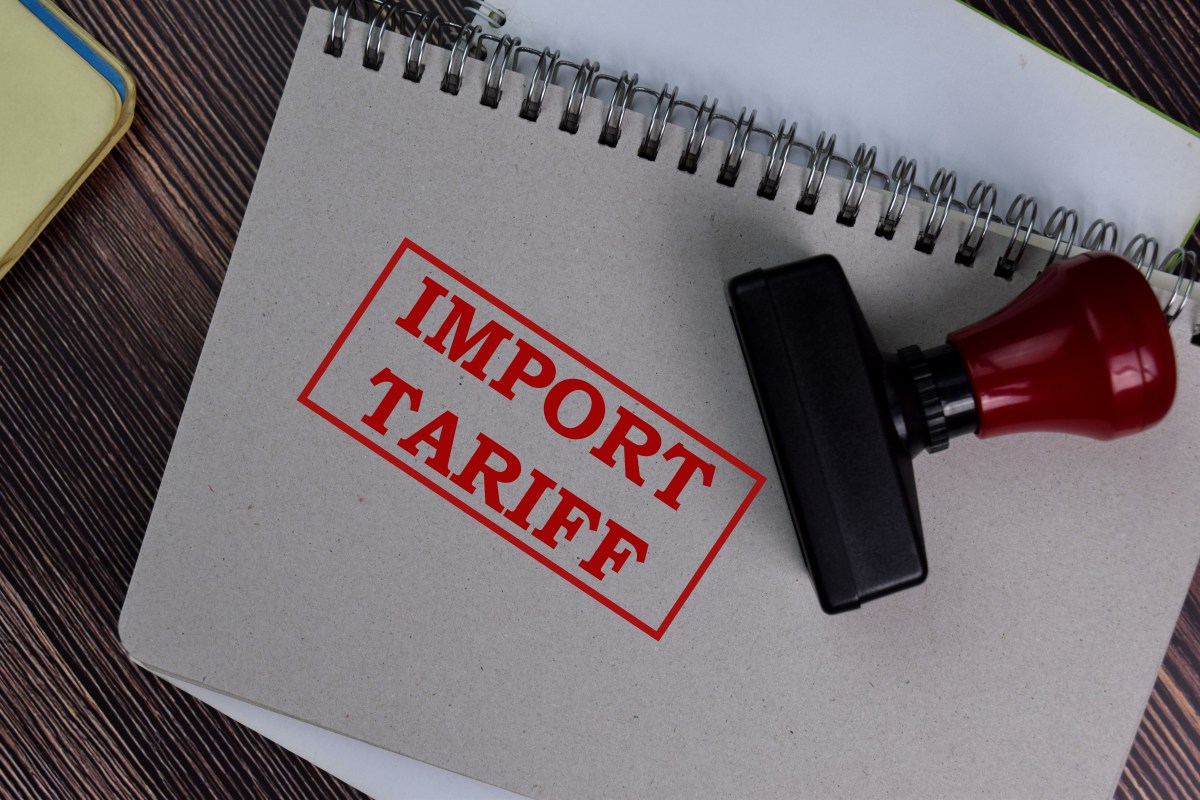
The Hidden Costs: How a 10% Tariff on Chinese Goods Could Impact American Consumers
As discussions around trade policies heat up, a proposed 10% tariff on Chinese goods has raised eyebrows and sparked debates across the United States. While tariffs are often seen as a tool for protecting domestic industries and reducing trade deficits, the hidden costs associated with such measures can significantly impact American consumers. This article delves into the potential economic consequences of implementing a 10% tariff on Chinese imports, exploring what these changes could mean for households across the nation.
The Rationale Behind Tariffs
The primary aim of imposing tariffs is to make imported goods more expensive, thereby encouraging consumers to buy domestically produced products. Proponents argue that tariffs on Chinese goods could help level the playing field for American manufacturers, many of whom struggle to compete with lower-priced imports. However, this protective measure comes with a set of challenges that could ultimately affect consumers directly.
Price Increases on Everyday Goods
One of the most immediate effects of a 10% tariff on Chinese goods would likely be an increase in prices for a wide variety of everyday items. Many household products, electronics, clothing, and even food items are sourced from China. As tariffs raise import costs, these expenses are often passed down to consumers. Here are some categories that could see significant price hikes:
- Electronics: Smartphones, laptops, and televisions are heavily reliant on Chinese manufacturing. A 10% tariff could mean an increase in prices, potentially leading consumers to reconsider their purchasing habits.
- Clothing and Textiles: Many American retailers source their apparel from China. Consumers might find themselves paying more for everything from T-shirts to winter coats.
- Household Goods: From kitchenware to furniture, many goods are imported from China. Price increases could strain household budgets.
- Toys and Children’s Products: A significant portion of toys sold in the U.S. are manufactured in China, which means parents would likely face higher costs during the holiday shopping season.
The ripple effect of these price increases could lead to a notable shift in consumer behavior, as families might opt for cheaper alternatives or forego certain purchases altogether.
The Impact on Low-Income Families
While tariffs are often justified as a means to bolster the economy, the reality is that low-income families are disproportionately affected by price increases. Essential goods such as food, clothing, and household necessities take up a larger percentage of their budgets. Consequently, a 10% tariff could lead to:
- Increased financial strain as families must allocate a larger portion of their income to cover basic needs.
- Potentially difficult choices between purchasing necessary items and saving for future expenses.
- A rise in demand for second-hand goods or lower-cost alternatives, which may not always meet quality standards.
Understanding the burden placed on low-income families highlights the need for policies that consider the broader implications of tariffs and their effects on everyday life.
Supply Chain Disruptions
Another hidden cost of a 10% tariff on Chinese goods is the potential disruption to established supply chains. Many American companies rely on a complex network of suppliers and manufacturers to produce their products. Tariffs could lead to:
- Increased Production Costs: Companies may seek alternative suppliers, which could result in higher production costs that are ultimately passed on to consumers.
- Supply Chain Delays: Finding new suppliers or adjusting logistics can take time, leading to delays in product availability and further price increases.
- Job Impacts: Companies facing increased costs may reduce their workforce or cut back on hiring, impacting the economy at large.
These disruptions not only affect prices but also the availability of products, which can frustrate consumers looking for specific items.
Long-Term Economic Effects
Beyond immediate price hikes and supply chain challenges, the long-term economic impacts of implementing a 10% tariff on Chinese goods could be profound. Economists warn that such tariffs could lead to:
- Inflationary Pressures: As prices rise due to tariffs, inflation could surge, eroding purchasing power and affecting savings.
- Retaliation from China: China may respond with its own tariffs on American products, further escalating trade tensions and harming U.S. exporters.
- Shifts in Global Trade Dynamics: Countries may seek to diversify their trade relationships, impacting U.S. competitiveness in the global market.
Understanding these potential long-term effects is crucial for consumers and policymakers alike, as they weigh the benefits and drawbacks of tariffs.
Mitigating the Impact on Consumers
While the implications of a 10% tariff on Chinese goods appear daunting, there are strategies that consumers can consider to mitigate the impact:
- Shop Smart: Seeking out sales, discounts, and coupon opportunities can help offset increased prices.
- Buy Local: Supporting local businesses may not only help the community but could also provide more stable pricing.
- Educate Yourself: Being informed about price trends and product sourcing can help consumers make better purchasing decisions.
Conclusion: A Balancing Act
As the U.S. contemplates a 10% tariff on Chinese goods, the hidden costs for American consumers are becoming increasingly apparent. While the intention behind tariffs may be to protect domestic industry, the resulting price hikes and economic disruptions could have a significant impact on everyday life. It is essential for policymakers to consider these consequences when crafting trade policies, ensuring that the burden does not disproportionately fall on the shoulders of American households.
In a rapidly changing global economy, a balanced approach to trade policy that considers both the needs of domestic industries and the wellbeing of consumers is crucial. By understanding these hidden costs, American families can better prepare for potential changes and navigate the complexities of the marketplace.
See more CCTV News Daily