Baby Products Under Siege: How U.S. Tariffs Could Inflate Costs by $1,000 Annually
American families could soon face an additional $1,000 in annual expenses for essential baby products due to proposed U.S. tariffs on imported goods, industry analysts warn. The potential price hikes, expected to take effect within the next year, target items like strollers, car seats, and formula—products largely manufactured overseas. Economists argue these tariffs aim to bolster domestic production but may disproportionately strain household budgets already grappling with inflation.
The Financial Burden on Families
Parents nationwide are bracing for the ripple effects of higher import taxes, which could inflate the cost of everyday necessities. A recent report by the National Parenting Association estimates that tariffs on Chinese-made baby gear alone may spike retail prices by 15-25%. For a family spending $4,000 annually on staples like diapers and high chairs, this translates to an extra $600–$1,000 per year.
“This isn’t just about luxury items—it’s about cribs and safety equipment families can’t go without,” says Dr. Laura Simmons, a child welfare economist at Georgetown University. “Low-income households will feel this most acutely, as they already allocate 30% of their income to child-related expenses.”
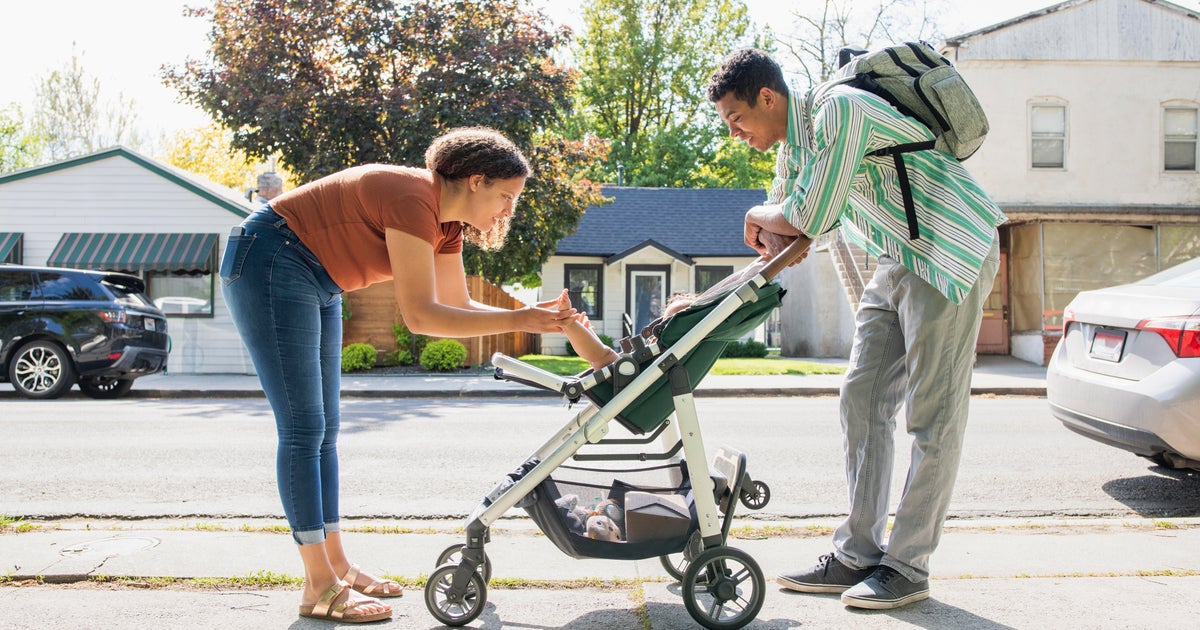
- Strollers: Average price could rise from $300 to $375
- Infant formula: A 20% tariff may add $150 yearly per child
- Car seats: Up to $100 more per unit due to supply chain taxes
The Policy Debate: Protectionism vs. Affordability
Proponents of the tariffs, including some U.S. manufacturers, argue they’ll incentivize domestic production and reduce reliance on foreign supply chains. “This is a short-term pain for long-term gain,” asserts Mark Reynolds of the American Infant Products Coalition. “Rebuilding our industrial base ensures safer, higher-quality jobs and products.”
Critics, however, highlight that 85% of baby products sold in the U.S. are imported, primarily from China and Mexico. Transitioning production stateside could take years—and even then, costs may remain high due to labor and material expenses. “Tariffs function as a regressive tax,” notes consumer advocate Priya Patel. “They’ll widen the affordability gap while alternatives are still in development.”
Market Reactions and Alternatives
Retailers are scrambling to adjust. Target and Walmart have warned of imminent price hikes, while niche brands explore workarounds like shifting production to Vietnam or India. Meanwhile, secondhand markets and rental services for baby gear report a 40% surge in inquiries since the tariff talks began.
Data from the U.S. Census Bureau reveals that 1 in 3 families with infants have delayed purchases due to economic uncertainty. “Parents are choosing between safety and savings,” says Simmons. “No one should have to make that choice.”
What’s Next for Parents and Policymakers?
Congress is reviewing exemptions for critical childcare items, but progress remains slow. Advocacy groups urge parents to contact representatives and explore local assistance programs. Meanwhile, economists predict a 5-7% overall inflation bump for child-related goods by 2025 if tariffs proceed.
As the debate unfolds, families are advised to budget proactively, compare retailers, and consider community swaps. For updates on tariff exemptions and relief efforts, subscribe to the National Parenting Association’s newsletter or attend town halls in your district.
The coming months will test whether policymakers can balance economic strategy with the real-world needs of America’s youngest citizens—and the parents struggling to protect them.
See more CCTV News Daily