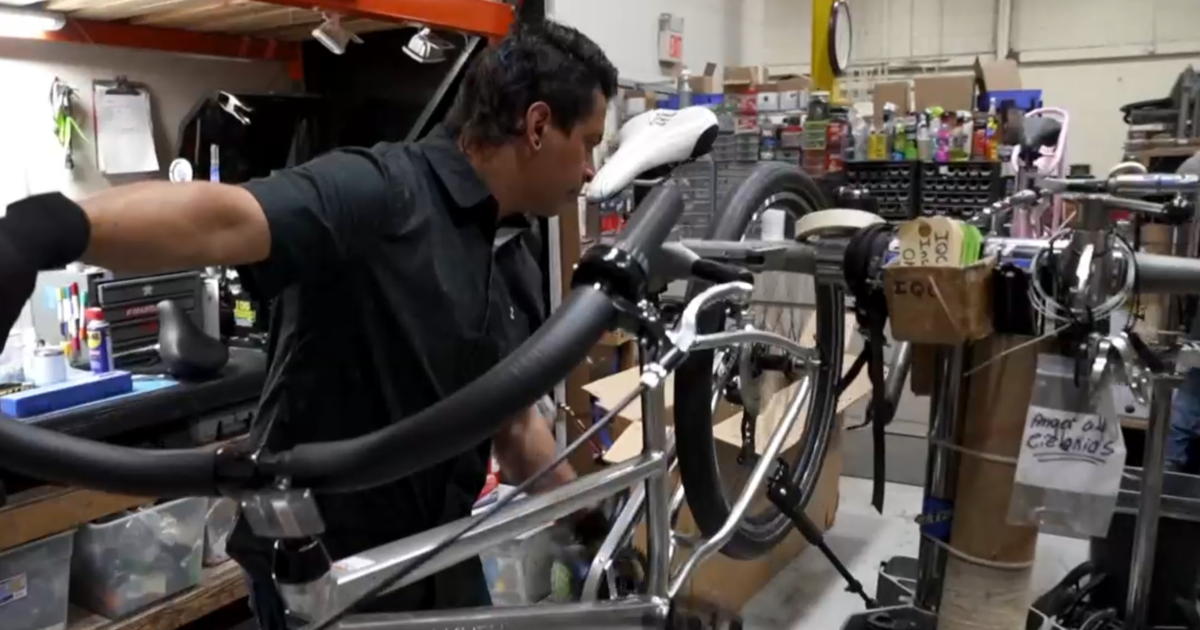
U.S. Bicycle Company Halts Imports Amid Rising Tariffs
A leading U.S. bicycle manufacturer announced this week it will suspend all imports from China due to escalating tariffs, sparking concerns about trade relations and the cycling industry’s stability. The decision, effective immediately, underscores the growing financial strain of trade policies on businesses and consumers. Analysts warn the move could lead to higher prices, supply shortages, and job losses in a market already grappling with inflation.
The Tariff Impact: A Financial Burden on Businesses
The company, which sources 60% of its components from China, cited a 25% tariff increase as the primary reason for halting imports. According to the U.S. International Trade Commission, bicycle-related tariffs have risen by over $1.2 billion annually since 2018, forcing many manufacturers to rethink supply chains. “These tariffs are unsustainable,” said CEO Mark Reynolds. “We’re facing a 30% cost hike just to keep our bikes affordable—it’s a lose-lose for everyone.”
Industry data reveals the broader repercussions:
- Price surges: Average bicycle prices rose 18% in 2023, outpacing inflation.
- Supply delays: 40% of U.S. bike shops report inventory shortages.
- Job risks: Over 15,000 manufacturing jobs depend on affordable imports.
Trade Tensions and the Global Supply Chain
The Biden administration’s review of China tariffs has yet to yield relief, leaving businesses in limbo. Dr. Elena Torres, a trade economist at Georgetown University, notes, “This isn’t just about bicycles—it’s a microcosm of how tariffs disrupt entire ecosystems. Small suppliers and retailers bear the brunt.” Meanwhile, proponents argue tariffs protect domestic manufacturing. “Short-term pain leads to long-term gain,” countered trade policy analyst Greg Harris. “We must reduce dependency on China.”
Consumer Consequences: Higher Costs, Fewer Choices
Cycling enthusiasts like Mia Chen, a Colorado-based commuter, feel the pinch. “My bike repair costs doubled this year,” she said. “Soon, only the wealthy will afford cycling.” The National Bicycle Dealers Association predicts a 20% drop in entry-level bike sales if tariffs persist, potentially shrinking the $8.4 billion U.S. market.
What’s Next for the Industry?
Some manufacturers are pivoting to Southeast Asian suppliers, but transitioning supply chains could take years. Reynolds’ company plans to invest $5 million in domestic production, though experts caution this may not offset losses. “Reshoring sounds ideal, but it’s expensive and slow,” Torres added. Lawmakers are urging tariff exemptions for critical components, but progress remains stalled.
For now, the suspension serves as a stark reminder of trade policy’s ripple effects. As consumers brace for further price hikes, the industry’s future hinges on whether Washington can strike a balance between protectionism and practicality.
Call to Action: Stay informed on trade policy changes by subscribing to our industry newsletter for real-time updates and expert analysis.
See more CCTV News Daily