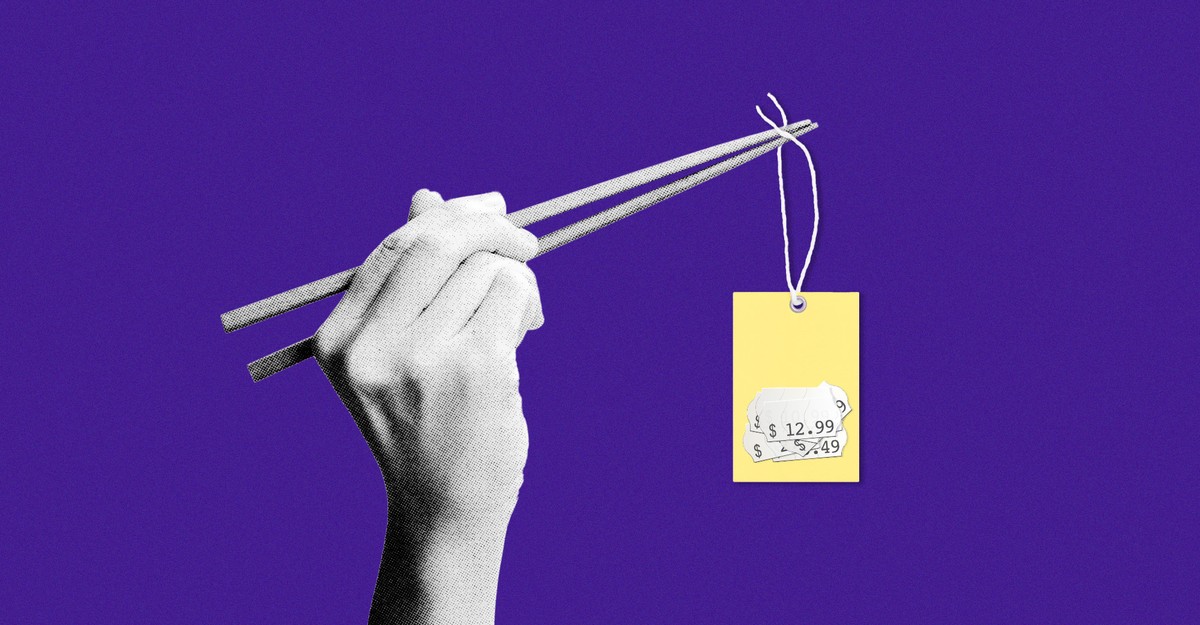
Will Trump’s Tariffs Spice Up Your Grocery Bill?
As former President Donald Trump proposes sweeping tariffs on imported goods, American consumers brace for potential price hikes on everyday grocery items—including popular condiments like chili crisp. Economists warn these tariffs, which could take effect as early as 2025 if Trump wins the November election, may inflate food costs by 3-5% annually. The policy aims to boost domestic manufacturing but risks squeezing household budgets amid persistent inflation.
How Tariffs Could Heat Up Aisle Prices
The proposed 10% across-the-board tariff on foreign imports would hit grocery staples particularly hard. According to USDA data, the U.S. imports approximately 15% of its food supply, including 32% of fruits and 12% of vegetables. Specialty items like chili crisp—a Chinese condiment that saw U.S. sales jump 150% since 2020—face even steeper 60% targeted tariffs under the plan.
“This isn’t just about luxury imports,” explains Dr. Elena Rodriguez, trade economist at the Brookings Institution. “When tariffs hit mid-priced grocery items that lack domestic alternatives, retailers pass those costs directly to consumers. A $5 jar of chili crisp could easily become $8.”
The potential ripple effects extend beyond Asian imports:
- Olive oil: With 98% of U.S. supply imported, prices may rise 12-15%
- Coffee: Potential 8% increase for beans primarily sourced from Brazil and Colombia
- Cheese: European varieties like Parmesan could jump 10%
The Political Spice Behind the Policy
Trump’s tariff proposal revives his signature protectionist approach, arguing that “foreign competitors have taken advantage of American consumers for decades.” At a recent rally, he stated, “These tariffs will bring back manufacturing jobs while making our trade partners pay their fair share.”
However, agricultural economists highlight unintended consequences. “Food imports fill critical gaps in our domestic supply chain,” notes USDA Chief Economist Seth Meyer. “When we applied steel tariffs in 2018, food processing equipment costs rose 22% within 18 months—that eventually showed up in canned goods prices.”
Historical data supports these concerns. The Peterson Institute for International Economics found Trump’s 2018-2019 tariffs:
- Cost the average household $831 annually
- Reduced real income by 0.2% nationally
- Failed to achieve promised manufacturing job growth
Grocery Aisle Showdown: Retailers vs. Consumers
Major retailers are already strategizing responses. Walmart and Kroger have reportedly begun negotiating longer-term contracts with foreign suppliers to lock in current prices. Meanwhile, Trader Joe’s—known for its eclectic imported offerings—may reformulate popular products like its Chili Onion Crunch to use more domestic ingredients.
“Consumers face a lose-lose scenario,” says consumer advocate Rachel Chen of the National Grocers Association. “Either pay higher prices for imported favorites, or accept reformulated products that might not taste the same. For households spending 11.3% of their income on food—the highest since 1991—this could force painful tradeoffs.”
The potential impact varies by demographic:
- Low-income families: May reduce purchases of fresh produce and protein
- Immigrant communities: Likely to bear disproportionate costs for cultural staples
- Millennial foodies: Could abandon trending international ingredients
Beyond the Price Tag: Supply Chain Concerns
Food industry analysts warn the tariffs may disrupt fragile supply chains still recovering from pandemic shocks. The proposed policy comes as global food prices remain 23% above 2020 levels according to the UN Food and Agriculture Organization.
“We’re not just talking about a few cents more for chili crisp,” explains supply chain expert Mark Richardson. “Complex products involve components from multiple countries. A 10% tariff on Indonesian spices plus a 15% tariff on Malaysian palm oil could make some products economically unviable.”
Potential consequences include:
- Reduced product variety as retailers streamline imported offerings
- Increased “food miles” as domestic producers source from farther locations
- Quality compromises as manufacturers seek cheaper ingredients
What Consumers Can Do to Mitigate the Impact
While the tariff debate plays out in Washington, shoppers aren’t powerless. Financial advisors recommend:
- Stock up strategically: Buy shelf-stable imports like oils and spices in bulk before potential price hikes
- Explore alternatives: Experiment with domestic versions of favorite international products
- Adjust meal planning: Incorporate more locally sourced seasonal ingredients
“This could be an opportunity to rediscover American-made products,” suggests chef Marcus Samuelsson. “But consumers shouldn’t have to pay the price for geopolitical maneuvering. The food industry needs to innovate rather than just pass along costs.”
The Long-Term Forecast for Food Prices
Whether temporary or permanent, these tariffs arrive during a precarious moment for food inflation. The USDA predicts overall food prices will rise 2.9% in 2024 even without new tariffs—already double the historical average.
Looking ahead, economists see three potential scenarios:
- Short-term spike: Immediate 4-6% increase followed by stabilization as supply chains adapt
- Prolonged inflation: Sustained higher prices if domestic producers can’t meet demand
- Trade war escalation: Retaliatory tariffs further disrupting global food markets
As voters consider these implications at the ballot box, one thing seems certain: the era of cheap global groceries may be ending. Consumers wanting to voice concerns can contact their congressional representatives through the U.S. House of Representatives directory.
The coming months will reveal whether Trump’s tariffs become economic policy or remain campaign rhetoric. But for households already stretching grocery budgets, the prospect adds new urgency to the age-old question: “What’s for dinner?”
See more CCTV News Daily